Canterbury-Bankstown Duplex Mistakes That Kill Feasibility
Canterbury-Bankstown is a duplex market. Plenty of 550–750sqm R2 lots, strong tenant demand in Lakemba, Greenacre, Revesby, Panania, Padstow, Condell Park. Yields still work on the right block. But half the prospective buyers I meet have done deals on sites that look good on paper and can't support a profitable duplex in practice. This is the list of the mistakes I see most often — the ones that kill the deal after settlement.
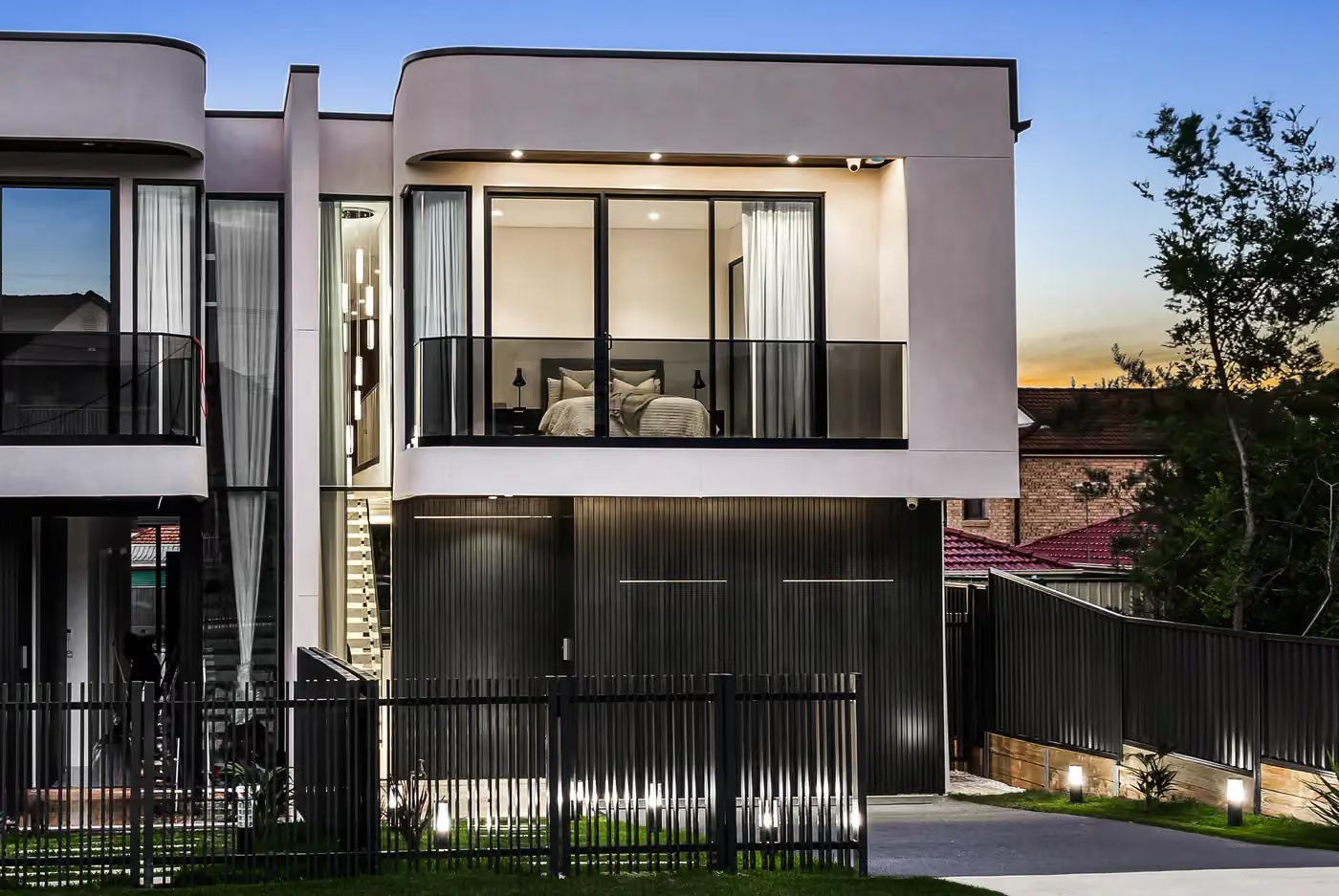
Mistake 1: Ignoring the Solar Access Rule
Canterbury-Bankstown's DCP enforces 3 hours of direct solar access between 9am and 3pm on 21 June (winter solstice) to the principal living area and private open space of adjoining dwellings. This clause gets actively applied.
Why it kills duplexes: • Your two-storey duplex cannot shadow the neighbour's living area for more than 3 hours • On east-west oriented lots, a standard 8.5m two-storey duplex usually does fail this test against the southern neighbour • Fix requires either: lower second storey on the southern elevation, pulled-back setback, or — on tight lots — going single-storey one side
I've had three feasibilities this year where the land looked fine, the lot size was fine, the R2 zoning was fine, and the duplex layout failed solar access on the southern neighbour. Fix added $35k-$60k in design revisions and reduced saleable floor area by 15-20sqm.
Before settlement: request a 20-minute shadow diagram sketch against the southern neighbour. Your drafter can do this on a rough massing for a few hundred dollars. Skip this step and you're gambling on whether the site works.
Mistake 2: Missing the Deep Soil + Landscape Combined Calc
Canterbury-Bankstown requires both: • Deep soil: 15% minimum (contiguous, minimum 2m width) • Landscaped area: 40% minimum (includes deep soil plus permeable surfaces)
Applicants frequently nail one and miss the other. A compliant deep soil zone can exist while the total landscaped area is under 40% because the driveway, paved alfresco and side paths eat into it.
Common failure: a 600sqm lot with a 220sqm duplex footprint, 50sqm of driveway, 30sqm of paved alfresco, 30sqm of side paths — that's 330sqm hard surface, leaving 270sqm 'landscaped' (45%), but only 90sqm qualifying as deep soil (15%). Marginal. Shift 10sqm the wrong way and you're sub-compliant.
Pre-purchase: run the numbers on the proposed duplex footprint against the actual lot dimensions. Not a brochure assumption.
Mistake 3: Buying in a Heritage-Adjacent Street Without Checking
Canterbury-Bankstown has active heritage precincts in: • Bankstown CBD fringe (Restwell Street, French Street) • Campsie older streets near the station • Punchbowl parts of The Boulevarde • Belmore conservation pockets • Lakemba near the station
In these precincts: demolition requires heritage consultant sign-off, DA is required (no CDC), and in some streets façade retention is effectively mandatory. A duplex in a façade-retention street is generally uneconomic.
Fix: pull the 149 cert before exchange. It takes 2 business days and costs $110. The cert will flag any heritage item within 50m.
Planning a duplex in Sydney?
Free site review — we'll assess zoning, feasibility and likely build cost before you commit to design fees.
Mistake 4: Underestimating the Bushfire/Flood Combined Effect
Parts of Canterbury-Bankstown have overlapping bushfire and flood overlays — specifically sections of Padstow, Revesby, Panania near Salt Pan Creek; Yagoona near the airport; and parts of Bankstown toward Georges River.
Single overlay: manageable. Bushfire BAL-12.5 adds $8k–$15k. Flood Level 1 adds $5k–$12k.
Both together: uneconomic on most lots. Construction costs jump $40k–$75k. Insurance premiums for completed dwellings become painful. Tenant demand softens.
Pre-purchase: pull the 149 cert AND check the Canterbury-Bankstown flood map AND check the RFS bushfire map. Three separate checks. Each takes 10 minutes.
Mistake 5: Buying Narrow Lots Assuming Detached Duplex Works
Under the July 2024 reform, detached duplex needs 15m minimum lot width. Canterbury-Bankstown applies this literally.
Narrow lots in the LGA — 12–14m frontage — are cheap for a reason. You can't detach two duplexes side-by-side on a 13m lot while maintaining the reform's setbacks (1.5m each side minimum + building separation). Most of these narrow lots will take an attached duplex only.
Attached vs detached matters for yield because: • Detached sells/rents higher per dwelling (genuine stand-alone character) • Attached has party-wall acoustic complications and slightly softer resale • Strata subdivision possible on both, but Torrens requires detached
If you're paying a detached-duplex land price for a lot too narrow for detached configuration, your exit math is wrong.
Mistake 6: Ignoring the Section 7.11 Contributions
Canterbury-Bankstown's Section 7.11 contribution for new dwellings runs approximately $8,500–$12,500 per additional dwelling depending on the suburb and sub-precinct. A new duplex triggers the contribution on one of the two dwellings (since you're adding one dwelling to the site).
This is commonly missed from feasibility spreadsheets. $10k that wasn't budgeted reduces ROI visibly on a sub-$1.5M total build.
Where it's higher: western parts of the LGA have newer infrastructure levies. Where it's lower: inner precincts with already-developed infrastructure. Your pre-lodgement meeting with council will confirm the exact figure for your street.
Fixed-price estimate
Get a real number for your block
Two minutes now saves the guesswork. Oliver or one of the team calls back with a realistic range for your suburb and block, then books a free site walk if you want a fixed price.
- Priced off your block, not a brochure — soil, slope and council read first
- NSW licensed builder 487805C. HBCF insured. Fixed-price HIA contract.
- Reply within 4 working hours. No sales pressure, ever.
Mistake 7: Assuming CDC Will Work on the First Try
Canterbury-Bankstown's CDC bar under the July 2024 reform is higher than Fairfield's or Blacktown's. Their certifier ecosystem is active but cautious. A reform-compliant duplex needs: • Shadow diagrams at 9am, 12pm, 3pm winter solstice • Numeric landscape calc with deep soil hatching • Confirmation the lot is not in a heritage sub-precinct • Confirmation no unprotected street trees are being removed • Party-wall acoustic detail if attached
Miss any of these and the CDC goes back for amendment. Amendments cost 2–3 weeks. Two rounds and you're 6 weeks behind.
My rule for Canterbury-Bankstown: if the site has any complication — bushfire overlay, flood, heritage-adjacent, neighbour solar marginal — go DA first time. 60 days clean beats 14 + 21 + 21 via CDC amendments.
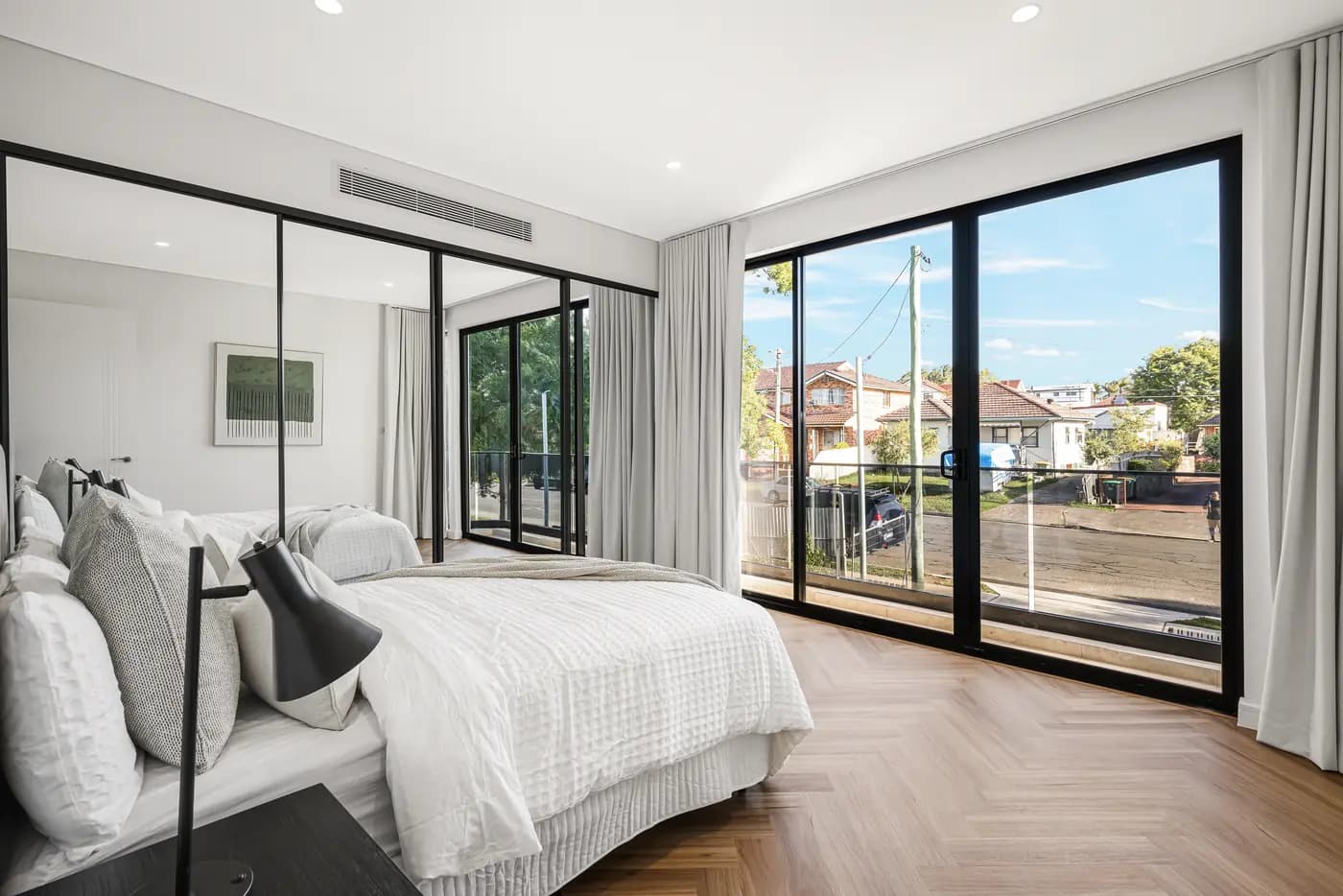
Getting This Right From the Start
Canterbury-Bankstown duplex feasibility checklist:
1. 149 certificate pulled pre-exchange — $110, 2 days 2. Bushfire and flood map check — free, 10 minutes each 3. Solar access massing sketch against southern neighbour — $300–$500 4. Deep soil + landscape combined calc on the proposed footprint — included in good builder feasibility 5. Section 7.11 contribution estimate from council pre-lodgement — free 6. Reform vs DA pathway decision tree based on overlays — included in good builder feasibility 7. Fixed-scope build cost that includes BAL/flood treatment if applicable — what Buildana does on every feasibility
If you skip steps 1–4, you're flying blind. I've seen $800k land buys that don't support a profitable duplex because one of the first four was missed.
For a Canterbury-Bankstown duplex feasibility — 5 LGAs, eight years, hundreds of feasibilities — visit /advisory/development-feasibility or call 0476 300 300. If the block doesn't work, we tell you before you pay for plans.