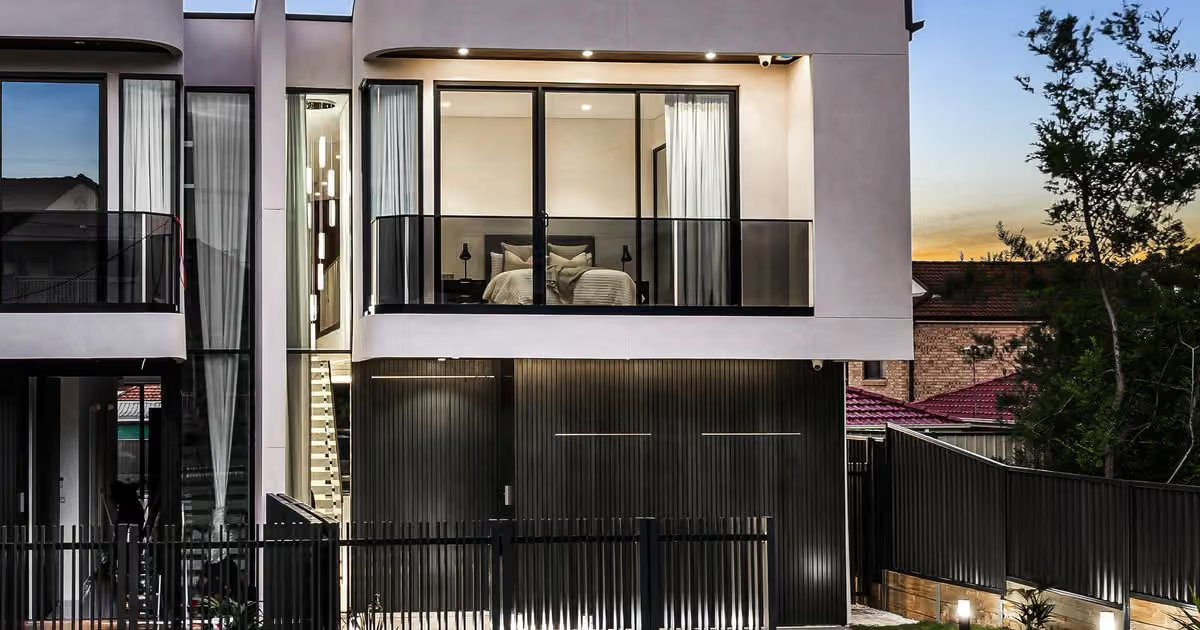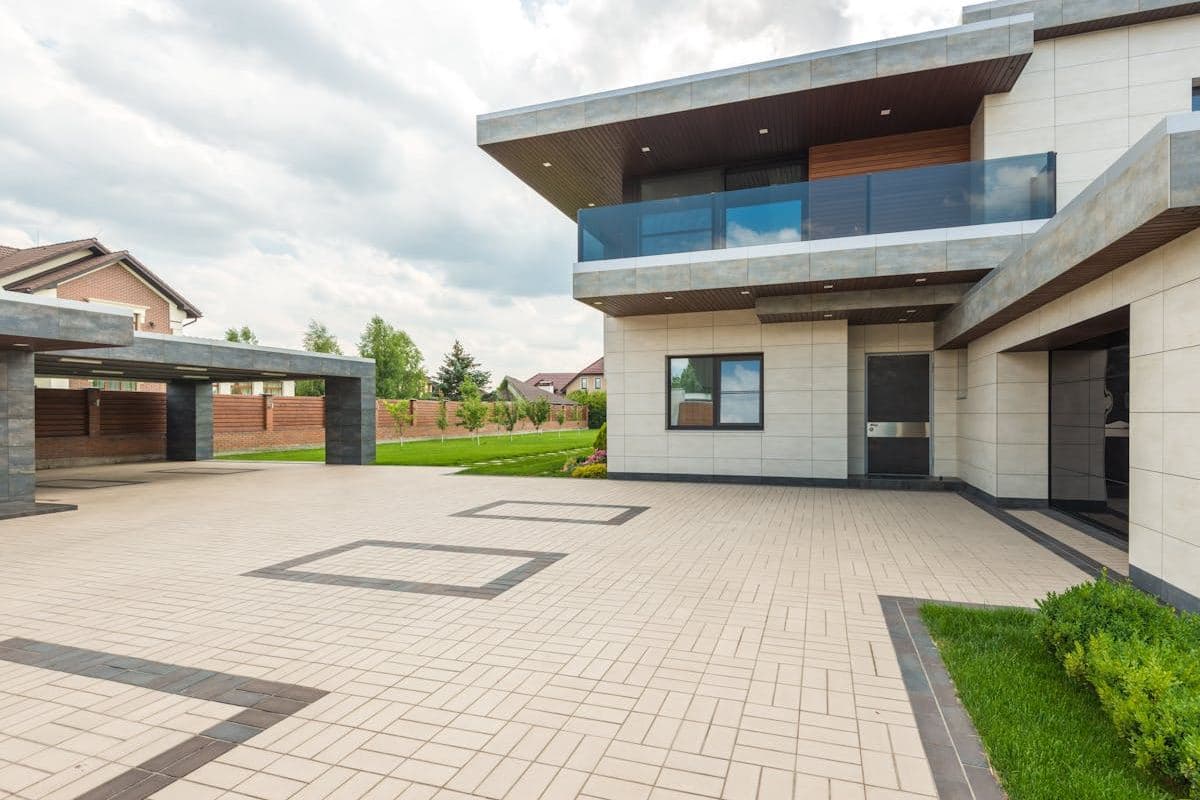
Granny Flat vs Knockdown Rebuild — Which Strategy Wins on Yield?
Two completely different plays. Same starting position — you own a 600–700sqm Western Sydney lot with an old, tired house on it. Do you knock it down and build a brand new family home (or a duplex pair to sell), or do you keep the existing house and bolt on a granny flat for income?
This isn't a hypothetical. I sit with clients facing this decision every month. Most of them have already half-decided based on a friend's anecdote. The numbers tell a different story depending on the LGA, the existing house condition, and the client's debt position. Below is the actual comparison with real 2026 figures.
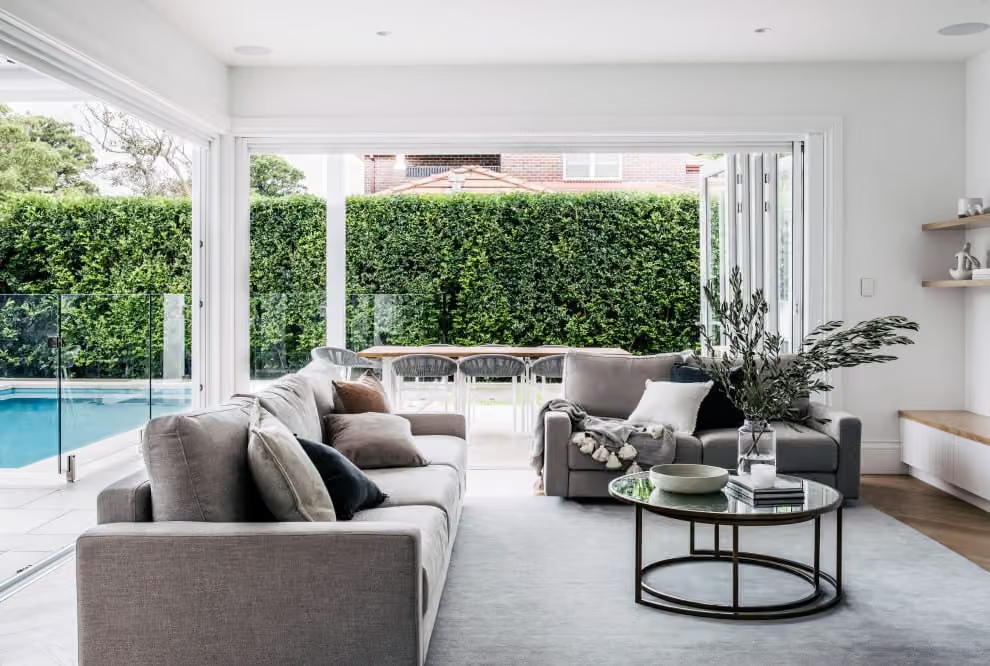
The Granny Flat Path — Capital Light, Yield Heavy
Cost: $215k–$260k turnkey for a 60sqm 2-bed granny flat in Western Sydney (Buildana 2026 actuals; Rawlinsons Section 13.1.3 base rate $1,690–$2,060/sqm framed-to-full-brick).
Return: $510/week rental × 50 weeks = $25,500/year gross. Net after expenses: ~$20,500/year.
Net yield on cost: 7.9%–9.5%.
What you get: • New rental stream • Existing house stays as PPOR or current rental • Minimal disruption (4–6 months on site) • No relocation needed • Borrowing is straightforward (equity release on existing equity)
What you don't get: • Capital growth on the new build (granny flats add land+improvements value but don't substantially grow independently) • Improved main dwelling • Larger total asset base
The Knockdown Rebuild Path — Capital Heavy, Capital Growth Heavy
Cost: $700k–$900k turnkey for a 220sqm new family home in Western Sydney.
Return (if held as PPOR): No income but no rent paid. Capital growth on full asset value.
Return (if held as rental): $720–$820/week × 50 weeks = $36,000–$41,000/year gross. Net ~$28,000–$32,000/year.
Net yield on construction cost alone: 3.1%–4.6%.
That looks bad against the granny flat headline yield, but the comparison is wrong. The knockdown rebuild captures capital growth on the entire upgraded asset, not just rental yield.
What you get: • Brand new family home (PPOR play) or premium rental (investment play) • Full capital growth on the upgraded asset (land + new improvements) • Higher total equity at sale • A house you actually want to live in (this matters)
What you don't get: • Easy yield headline • Quick payback period • Project simplicity (12–18 month build vs 4–6 months for granny flat)
Running feasibility on a site?
We do builder-led feasibility — actual build costs, real council timelines, no inflated optimism. Free first review.
Side-by-Side 10-Year Wealth Comparison
Let's run the numbers honestly. Starting position: you own a 650sqm Fairfield lot with a 1970s 3-bed house. Land + existing house value: $1.05m. Existing house is liveable but tired.
Path A — Granny Flat: • Year 0: Spend $230k. Total asset $1.28m, $230k extra debt, equity unchanged in net terms • Annual: $20.5k net income from granny flat • 10-year capital growth (4% p.a. on $1.28m): asset value $1.89m • 10-year cumulative net rent: $205k • Year 10 net wealth: ~$1.89m asset + $205k cashflow = $2.10m (less debt $230k = $1.87m net)
Path B — Knockdown Rebuild (kept as PPOR): • Year 0: Spend $800k. Total asset $1.85m (land $1.05m + new house $800k) • Annual: $0 income (it's your home), but you're not paying rent elsewhere • 10-year capital growth (4% p.a. on $1.85m): asset value $2.74m • Capital gain tax-free (PPOR exemption) • Year 10 net wealth: $2.74m asset (less debt $800k = $1.94m net)
Path C — Knockdown Rebuild (held as rental): • Year 0: Spend $800k. Total asset $1.85m • Annual: $30k net rent • 10-year capital growth (4% p.a.): asset value $2.74m • 10-year cumulative net rent: $300k • Year 10 net wealth: $2.74m + $300k = $3.04m gross. Less debt $800k. Less CGT on gain (~$160k). Net: $2.08m
All three paths land $1.87m–$2.08m net at year 10. The differences are structural, not material at this leverage.
Where Each Path Genuinely Wins
Granny flat wins when: • Existing house is structurally sound and you don't need to live in a new build • You want passive income now, not capital growth later • Cashflow tightness rules out a $700k+ build commitment • Your time horizon is shorter (5–7 years) — granny flat pays back faster • You already love the existing house
Knockdown rebuild wins when: • Existing house is genuinely past its life — repairs would cost $80k+ • You want to live in a new home you actually love • Capital growth on a $1.85m asset compounds harder than $1.28m • You can service the larger debt comfortably • You're willing to relocate for 12–18 months during the build • Your suburb is on a strong long-term growth trajectory
Both can be done sequentially: I've had clients build a granny flat in year 1 (using equity), then knockdown rebuild the main house in year 5 once they've banked some growth and granny flat income. Two-stage approach reduces risk and spreads the disruption.
Fixed-price estimate
Get a real number for your block
Two minutes now saves the guesswork. Oliver or one of the team calls back with a realistic range for your suburb and block, then books a free site walk if you want a fixed price.
- Priced off your block, not a brochure — soil, slope and council read first
- NSW licensed builder 487805C. HBCF insured. Fixed-price HIA contract.
- Reply within 4 working hours. No sales pressure, ever.
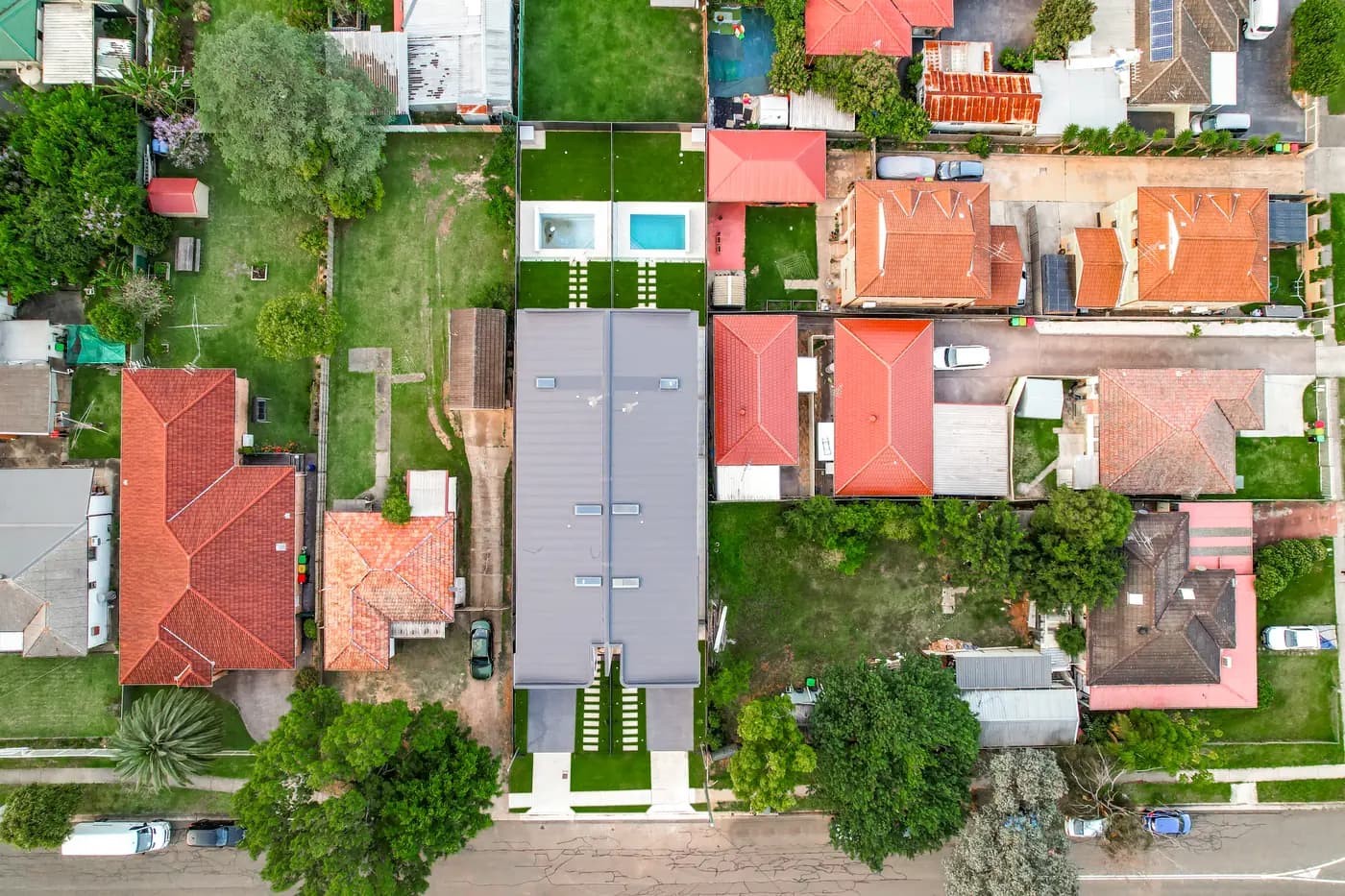
What Most Clients Get Wrong
Three patterns I see repeatedly:
1. They compare yield-on-cost against capital-growth-on-asset. Different metrics. A 9% yield on $230k looks better than 4% growth on $1.85m on a one-page comparison — but the second produces $74k of growth vs $20.5k of cashflow per year. Use the same metric (total wealth at year 10) to compare honestly.
2. They underestimate disruption cost on the KDR path. Renting elsewhere for 14 months at $750/week = $54,500. Storage, removalist, double utilities, kid school logistics. Real friction cost: $60k–$80k. Bake it into the model.
3. They don't honestly assess the existing house. A house with rising damp, asbestos eaves, dated kitchen, single bathroom, and a broken roof is not a 'liveable PPOR + granny flat' play — it's a $100k+ renovation that probably doesn't recover at sale. Knock it down and rebuild properly.
For full granny flat ROI detail see /insights/granny-flat-roi-western-sydney-2026. For knockdown rebuild cost see /insights/knockdown-rebuild-cost-sydney. To walk your specific block with us before deciding either way visit /contact or call 0476 300 300.
If the numbers stack up for your site, the next call is layout. Our 47 granny flat designs at /homes/granny-flats/designs are tagged by bedroom count and floor area so you can pick the plan that maximises rentable space without blowing the build cost.