What a variation actually is and why it grows
A variation is a written change to the contract scope after signature. Adding a bathroom. Upgrading a kitchen bench. Changing a paint colour. Switching tiles. Each variation has a price. Each price carries the builder's margin. Each variation extends the build period, sometimes by days, sometimes by weeks.
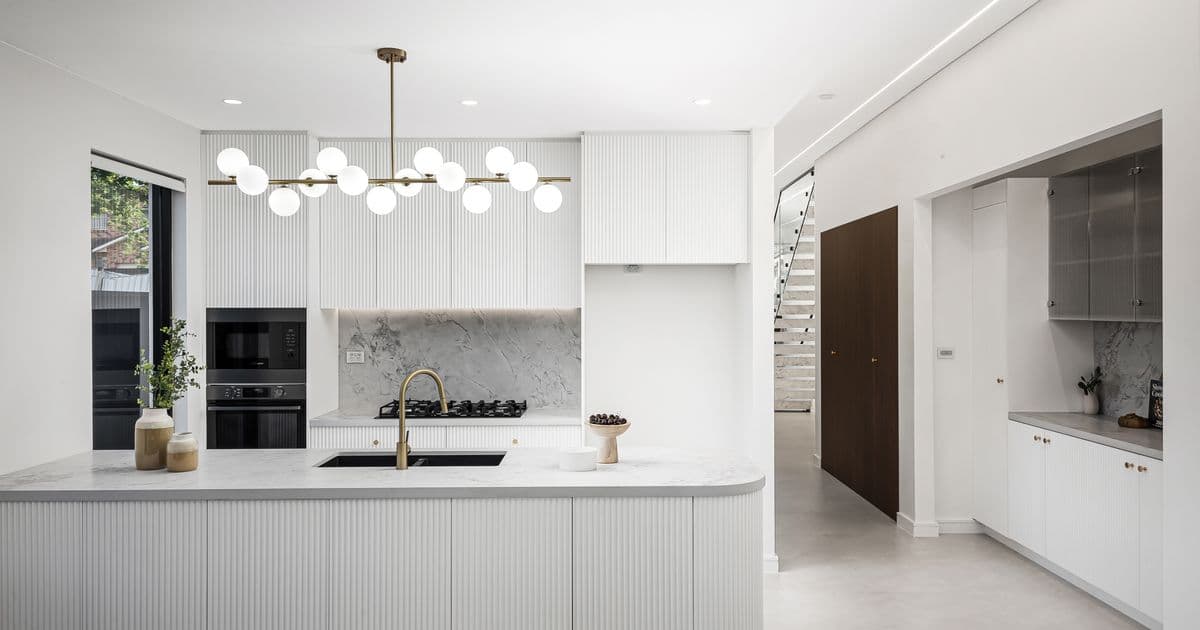
In isolation, a variation is fine — projects evolve, owners change their minds, the builder hits something unforeseen. The problem is the chain effect. One variation triggers another. A kitchen bench upgrade requires a different splashback. The new splashback requires a different rangehood. The rangehood draws more amps so the electrical panel needs a circuit added. Each item is a $1,500 to $4,000 variation. By the end, what started as a $4,500 bench upgrade is a $14,500 kitchen restructure.
The pattern is consistent across NSW residential. Variations on a typical $1.2m project commonly run $80k–$160k in aggregate by the end. Some of that is genuine scope evolution. A lot of it is chain effect that nobody mapped at the start.
The four sources of variation chains
Source 1: vague specifications in the original contract. 'Premium kitchen finishes', 'standard tile package', 'designer-quality fixtures'. These phrases are not specifications — they are placeholders that defer hard pricing decisions to mid-build. Every one of those phrases will become a variation conversation. The fix is upfront: every fixture, fitting, finish, appliance and surface specified by brand and model number in the original contract. Yes, it takes longer at the start. Yes, it saves $30k–$120k in the back half.
Source 2: site-cost variations from inadequate pre-build investigation. Soil class higher than expected. Existing services in different location than survey showed. Asbestos quantity higher than the pre-quote audit estimated. Heritage finding mid-excavation. These are real and unavoidable in some cases, but most are preventable with thorough pre-build investigation. The fix: invest $4,000–$9,000 in pre-build investigation (soil report, services search, pre-quote asbestos audit, archaeological pre-screen if relevant) to lock in accurate baseline pricing.
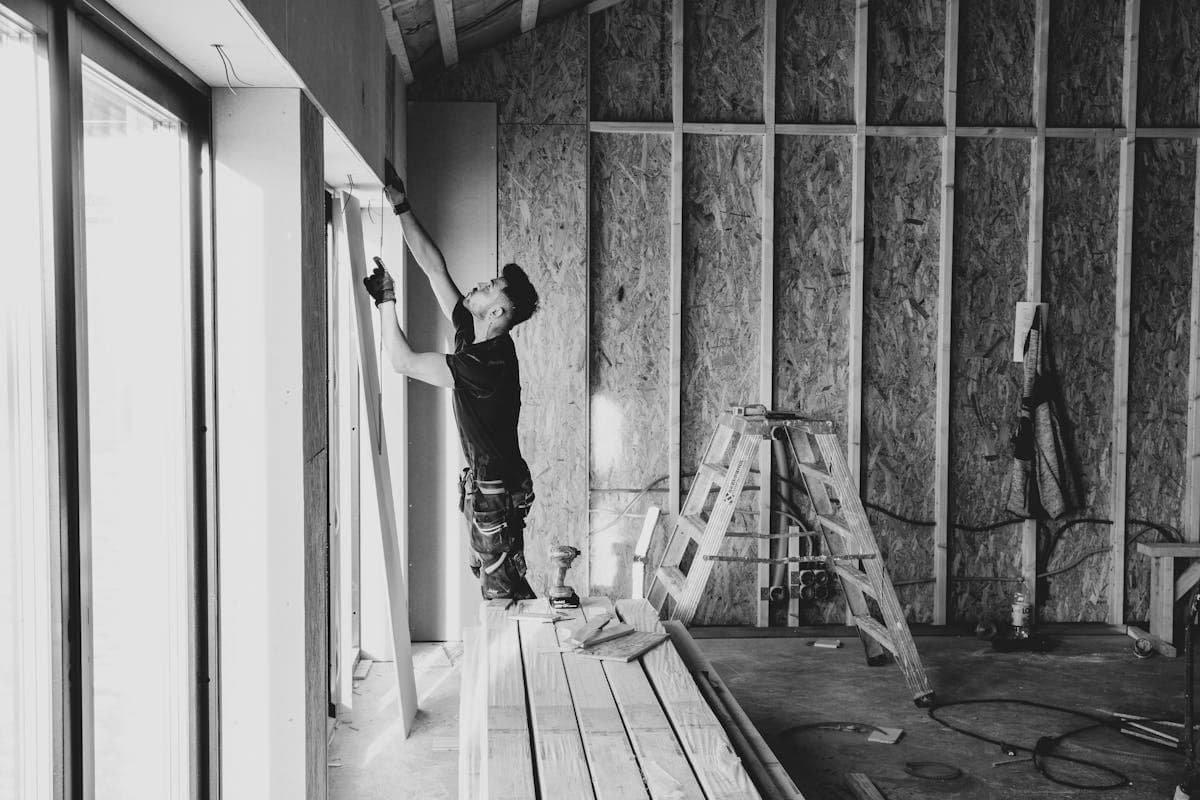
Source 3: design changes mid-build. Owners walk through framing and realise the master bedroom feels small. Or they want to relocate the laundry. Or they don't like where the rangehood is. Each change costs more at frame stage than at design stage by a factor of 5–10x because work already done has to be undone before the new work happens. The fix: lock the design at construction certificate stage and pay for design changes before construction begins, not during.
Source 4: builder-initiated variations. The builder hits something genuinely unforeseen — buried debris, unexpected groundwater, a structural finding behind an existing wall. Or the builder discovers a substitution opportunity (the spec'd product is back-ordered, an alternative is available). Builder-initiated variations are commonly the most legitimate but also the easiest to over-price. The fix: contractual right of audit on any builder variation over $5,000. Right to source competitive pricing for substitutions. Margin cap on cost-plus variations.
Need a builder who actually communicates?
Weekly progress photos, dedicated PM, fixed-price contract. That's how every Buildana project runs.
How the variation margin actually works
Standard NSW residential building contract variations carry a 15–25% margin over the underlying cost. Some contracts cap variation margin at 20%. Some don't cap at all and rely on the builder's good faith.
On a $50k variation, a 20% margin = $10k. On $237k of total variations through a project, a 20% margin = $47,400. That margin is on top of the margin already in the base contract.
Four negotiable terms in the variation clause that most owners never push back on:
1. Margin cap. Push for 15% on cost-plus variations. 20% if you must.
2. Right of audit. Any variation over $5,000 — owner has the right to see the underlying supplier invoice and trade quote. No exceptions.
3. Right to source. Owner has the right to source the relevant material or trade independently and supply to the builder, with the builder taking handling-only margin (5–8%) on owner-supplied items.
4. Time impact agreement. Every variation must specify the time impact in writing at the same time as the cost. No retrospective time claims for variations that were silent on time.
Get these four terms in writing at contract signature and you'll save $40k–$110k on a typical project. Most builders won't volunteer them. Most owners don't ask.
The variation register every project should run
From day one, every project should run a variation register — a spreadsheet listing:
• Variation number • Date raised • Description • Source (owner-initiated, builder-initiated, site-discovery) • Underlying cost • Margin applied • Total variation value • Time impact in days • Cumulative variation value to date • Cumulative time impact to date • Underlying invoice or quote reference • Owner signature date • Status (proposed, accepted, declined, in-dispute)
This sounds clerical. It is. It is also the difference between a project that comes in at expected cost-plus-buffer and a project that comes in at $200k over.
At every weekly site meeting, review the variation register. Total it. Check time impact against the program. Reject any variation that hasn't been pre-priced and pre-signed. Insist that the register is shared with you live, not delivered as a finished document at handover.
You are managing a $1m+ asset construction. Treat it like managing a $1m+ asset construction.
Pre-signature contract checklist
Before signing the head contract:
1. Every fixture, fitting, finish, appliance and surface specified by brand and model. No 'standard quality' placeholders. 2. Pre-build investigation cost (soil, services, asbestos audit) included in the contract sum, not as PC items. 3. Variation margin capped at 15–20% in writing. 4. Right of audit on variations over $5,000. 5. Right to source on owner-supplied items with handling margin only. 6. Time impact agreement on every variation. 7. Variation register format and update frequency specified in the contract. 8. Substitution clause specifying competitive pricing pathway.
For a free pre-signature walk on a contract you've received — covering all eight points and any other defensive language we recognise from our project history — call 0476 300 300 or visit /tools/feasibility-check. We've reviewed several hundred NSW residential contracts and almost every one had at least three of these eight points unaddressed.