What the Home Building Act actually says about progress payments
The NSW Home Building Act 1989 sets the legal frame for how a residential builder can claim progress payments. Most owners — and most builders — don't read it. They use the contract template and assume the template is the law.
It isn't. Section 8 of the Act, plus the Home Building Regulation 2014, set the maximum allowable deposit (10% on contracts over $20,000), the limits on advance payment for materials not yet installed, and the requirement for genuine progress before each claim. Any contract clause that contradicts these provisions is void to that extent — meaning the builder can't enforce it even if the owner signed it.
Understanding the statutory frame matters because it gives the owner a defence against the most common builder behaviours: deposit overreach, advance billing for materials not yet on site, and frame-stage claims when the frame isn't actually complete. The default assumption — 'I signed it, I have to pay it' — is wrong.
The five standard progress stages and what each really means
The HIA Lump Sum and Master Builders contracts use a five-stage progress payment structure. The percentages vary slightly between contracts but the stages are essentially:
Deposit (5–10%). Paid at contract signature, capped at 10% by the HB Act on contracts over $20,000. Anything over 10% is unenforceable.
Base or slab stage (10–15%). Paid when the substructure is complete — slab poured, cured, surveyed and certified. 'Complete' means the slab can support the next stage, not that it's been started.
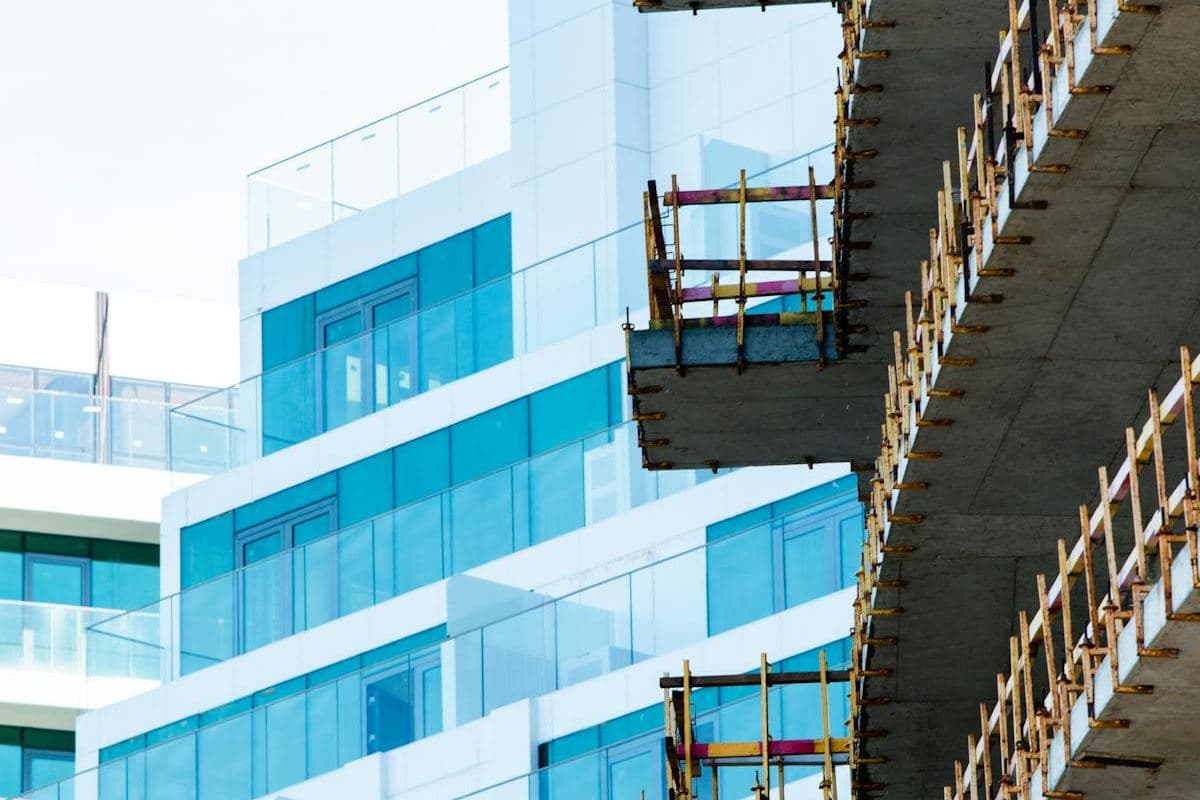
Frame stage (15–25%). Paid when the structural frame is complete, including roof trusses, with roof sarking installed (the building is weathertight from above). Bricklayers and external cladders may not yet have started — that's correct, frame stage is about the structural skeleton.
Lock-up or enclosed stage (25–30%). Paid when the building is weathertight from all sides — external walls complete, windows and external doors installed, roof complete with flashing. The internal trades can start.
Fixing stage (10–15%). Paid when internal fixing is complete — kitchen, bathroom, internal doors, architraves, skirting, second-fix electrical and plumbing.
Practical completion (5–10%). Paid when the building is finished except minor defects, certificate of occupancy issued, keys handed over.
Note what's missing: there is no legitimate 'pre-deposit', 'mobilisation fee' or 'site establishment' stage in a residential HBA contract. If you see one, that's where the deposit overreach is hiding.
How to validate a progress claim before paying
When the builder issues a progress claim, run it through this:
1. Stage actually complete? Walk the site. Take photos. Compare against the stage definition above. Frame stage with no roof sarking is not frame stage. Lock-up with no windows installed is not lock-up. Don't pay on a claim where the stage definition isn't met.
2. HBL certificate current? Pull hbcfcheck.fairtrading.nsw.gov.au and confirm the per-job HBL certificate covers the work being claimed. If the certificate isn't current, the law restricts the builder from claiming.
3. Any defects from the previous stage? Defects identified at the previous stage and not rectified are grounds for partial payment until rectification. The contract typically gives the owner a 5–10 business day inspection window.
4. Construction loan QS valuation aligned? If you're funding through a construction loan, the bank's quantity surveyor will value the works completed and release funds against that valuation, not against the builder's claim. Builder's claim and QS valuation can diverge by 15–30% on sloppy projects. Pay against the QS valuation, not the builder's invoice, where the bank funding model allows.
5. Tax invoice format correct? GST registered, ABN visible, claim period clear, supporting documents attached (HBL certificate, certifier inspection report, photos). A claim without these is not a tax invoice and not enforceable as one.
Need a builder who actually communicates?
Weekly progress photos, dedicated PM, fixed-price contract. That's how every Buildana project runs.
What to do when the builder claims early
Three responses, in order of escalation:
Response 1: Written request for evidence of completion. Email or letter (no SMS, no verbal): 'Please provide photos and the certifier's inspection report confirming that [stage] is complete in accordance with [contract clause]. Payment will be processed upon receipt of evidence.' Most builders back off at this point because they know the claim isn't ripe.
Response 2: Independent inspection. Engage a building inspector ($380–$680 in 2026) to walk the site and report against the stage definition. The report is admissible if the dispute escalates and gives you formal grounds to refuse the claim or pay only the portion that's genuinely complete.
Response 3: Section 18BA Home Building Act dispute notice. Lodged with NSW Fair Trading. Triggers a formal mediation pathway. Builder cannot terminate the contract for non-payment while a 18BA dispute is on foot if the dispute is genuinely substantiated. This is the legal nuclear option — use only when the disputed amount is material and the underlying claim is plainly defective.
The most important rule: do not pay a defective progress claim 'just to keep the peace'. The builder is trained to read non-resistance as permission. Every paid early claim accelerates the next early claim. Push back the first time and you reset the pattern.
Contract language that prevents progress disputes
Add or push for, before signature:
Stage completion definitions in writing. Each stage description should reference an objective standard — frame stage means 'frame complete, all trusses installed, roof sarking installed, structural certifier sign-off issued'. No vague descriptions.
Inspection window. 5 business days from claim issue for owner to inspect, take photos, raise defects in writing. Payment due 7–10 business days from claim, not 24 hours.
Defect rectification before payment. Stage payment can be reduced by the cost of identified defect rectification, with the reduction released when defects are fixed.
No advance billing for materials not on site. Builder cannot claim for kitchen joinery, tiles or fittings until those items are physically on site. Stop the 'I've ordered the kitchen, please pay 50% now' move at contract stage, not site stage.
Certifier sign-off as condition of payment. Each stage payment is conditional on the principal certifying authority issuing the relevant inspection sign-off. Removes ambiguity about whether the stage is genuinely complete.
For a free contract walk before you sign on a NSW residential build, call 0476 300 300 or visit /tools/feasibility-check.
Fixed-price estimate
Get a real number for your block
Two minutes now saves the guesswork. Oliver or one of the team calls back with a realistic range for your suburb and block, then books a free site walk if you want a fixed price.
- Priced off your block, not a brochure — soil, slope and council read first
- NSW licensed builder 487805C. HBCF insured. Fixed-price HIA contract.
- Reply within 4 working hours. No sales pressure, ever.
2026 Progress Claim Schedule — What Compliance Looks Like
The HBA prescribes a maximum deposit and a structured progress claim schedule. After the 2025–2026 amendments, the rules are tighter and the penalties for non-compliance more material. For a standard residential build contract in NSW in 2026:
• Deposit cap: 5% of contract value on contracts over $20k (down from 10% pre-2025). For a $700k build, max deposit at signing is $35k. Any builder asking for more before slab is non-compliant.
• Progress claim stages (typical for new home): 1. Deposit: 5% 2. Base stage (slab complete): 15% 3. Frame stage (frame complete, roof on): 20% 4. Lockup stage (external walls, doors, windows secure): 25% 5. Fixing stage (internal linings, cabinetry, fittings rough-in): 20% 6. Practical completion: 15%
• Each progress claim must: be in writing, reference the contract stage, identify the work completed, and be accompanied by photographic evidence and any inspection certificates required for that stage. Payment terms run from the date of a compliant claim — typically 7 or 10 business days under the standard contracts.
• The owner can withhold payment for: incomplete or non-compliant work, work that fails inspection, work that doesn't match the contract drawings, or claims that don't reference the correct stage. Withhold properly: in writing, with specific reasons. A blanket refusal to pay is grounds for the builder to suspend work and start charging delay damages.
• Common 2026 disputes: premature progress claims (claiming frame stage before frame inspection), bundled stages (claiming lockup and fixing together), and 'goodwill' progress claims for partial work between stages. None of these are HBA-compliant. If a builder requests one, the right response is: 'happy to pay on the next contractual stage when it's complete'.
• Final claim and practical completion: the 15% final claim only becomes payable at practical completion — when the home is reasonably fit for occupation, has occupation certificate, and only minor defects remain. Don't release final payment without an OC.