
Home Extension Builder North Wahroonga — Approved in 60 Days
North Wahroonga 2076 extensions with tight approval timelines. CDC where eligible (~15 days), DA via Ku-ring-gai Council in 40–60 days. Construction 12–24 weeks depending on scope.
 HIA Member
 MBA NSW0476 300 300
Quick Answer
A home extension in North Wahroonga costs $150,000–$600,000+. Rear extension from $150K, second-storey addition from $300K. Buildana manages design, Ku-ring-gai Council approvals, and construction under one fixed-price contract.
Second-Storey & Rear Additions in North Wahroonga
A home extension in North Wahroonga trades the heritage negotiation of the streets to the south for space and freedom. The homes are post-war and 1960s on big 1,000 to 2,000m² bush-edge blocks, so a wing here can be genuinely generous and turned out toward the reserves, without a conservation officer weighing in on every decision.
The eastern-fringe lots back onto bush, so those carry BAL ratings and the external materials are specified to suit from the start. The mid-century fabric gets its asbestos check with a licensed strip-out wherever the work opens it up.
At a $2.4M to $3.4M median — softer per metre than the heritage pockets — the bigger blocks make the extension maths genuinely generous. You already own the land; it is a matter of building into it.
We build these fixed-price, licence HBL 487805C. Get our extension scope, with BAL checked where it applies, before you commit.
Buildana manages the complete home extension process in North Wahroonga — from design consultation and structural engineering through to DA or CDC approval, and fixed-price construction to handover. Extend your home without the stress.
Read our Home Extension Cost Guide 2026 or explore extension approval pathways in NSW.
- Home extensions in North Wahroonga from $150K
- Ku-ring-gai Council DA and CDC approvals managed
- Ground floor, rear and second-storey additions
- Class M soil — structural engineering included
- 1950s–1970s-era homes assessed for extension suitability
- Connect new to existing — clean, matched finish
- 6-year structural warranty
- Free design consultation — near Wahroonga (2 km) station
Reviewed by Oliver Alameri
Licensed Builder (NSW 487805C) · Master of Property Development · PhD Student · Building across Western Sydney since 2010
Freedom the heritage pockets lack
North Wahroonga's post-war stock extends freely — generous wings on 1,000 to 2,000m² blocks opened toward the bush, without the heritage negotiation of the streets to the south.
The softer per-metre entry makes the maths work harder in your favour.
BAL and fabric handled
The eastern-fringe lots get BAL-rated materials, specified from the outset rather than added late.
The mid-century fabric gets its asbestos check with a licensed strip-out where found, all priced into the job from the start.
Home extension builder in North Wahroonga — key facts
- Suburb
- North Wahroonga, NSW 2076
- Council / LGA
- Ku-ring-gai Council (Ku-ring-gai)
- Primary zoning
- R2 Low Density
- Typical lot size
- 1,000–2,000m²
- Soil class
- Class M
- Median house price
- $2.4M–$3.4M
- Home era
- 1950s–1970s
- Typical price range
- $150,000 – $600,000+
- Typical timeline
- 6–12 months design to handover
- Approval pathway
- CDC for most rear extensions, DA for second-storey
Want a real number for YOUR block — not a generic estimate?
Free site assessment, fixed-price contract, line-itemised quote within 48 hours. No high-pressure sales — just a real builder talking real numbers.
How It Works
From First Call to Final Key
The first job on an extension is finding out what you're extending onto. North Wahroonga homes from the 1950s–1970s were built to different standards — we open walls, check footings, verify load paths. The existing house has to carry the new work.
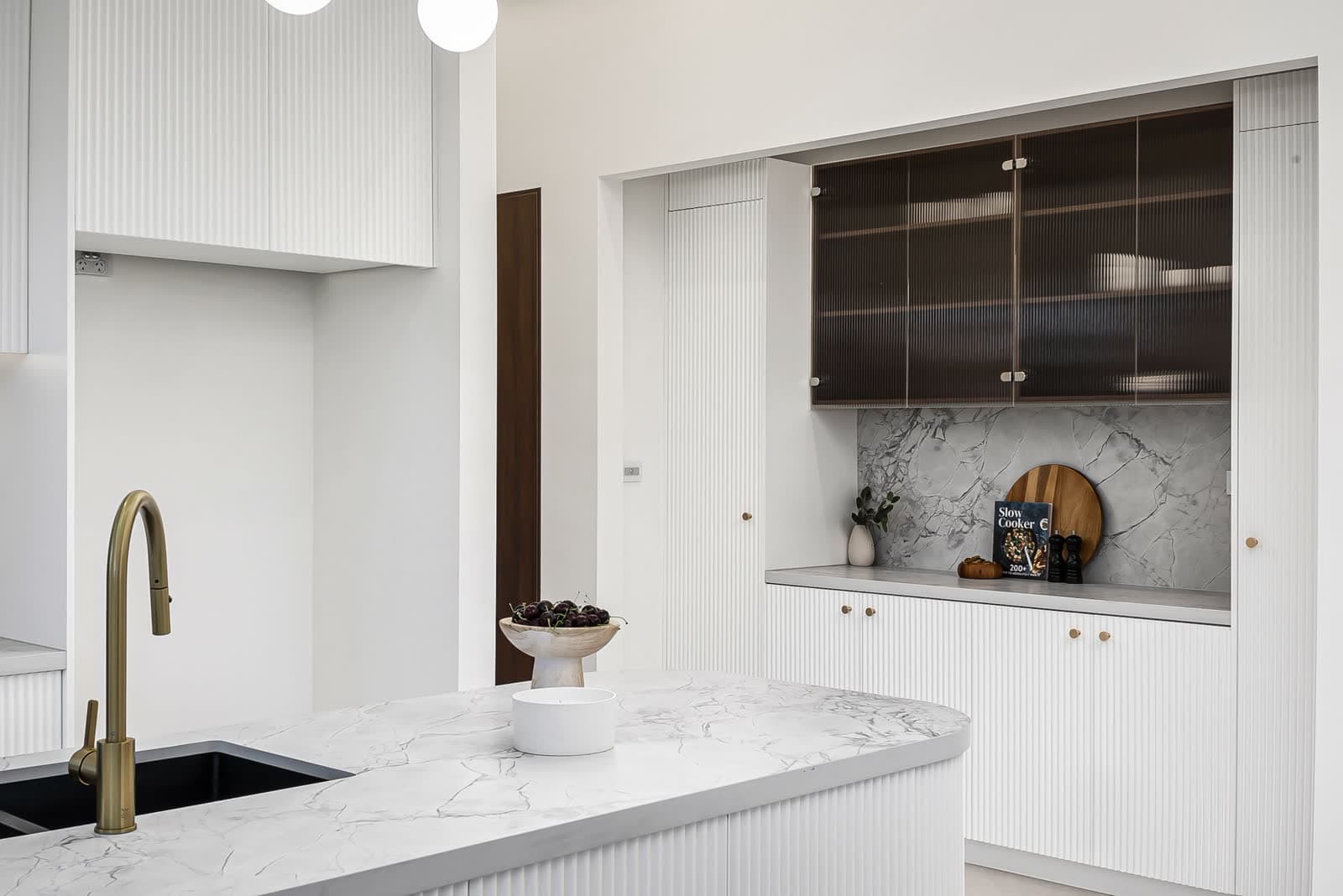
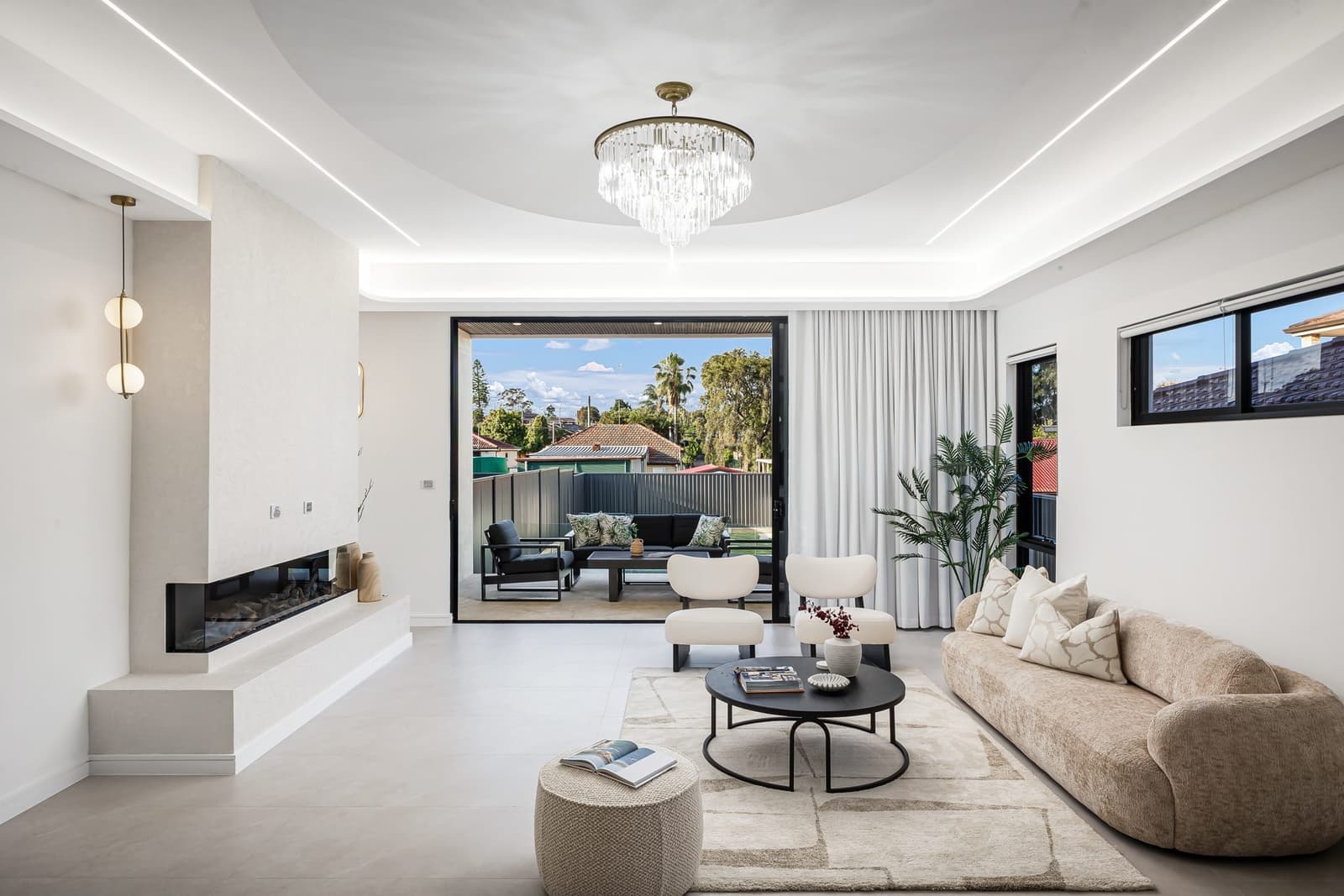
⏱Design follows the existing roof. A bad extension looks like a bolt-on; a good one reads as original. Matched brickwork or contrasting render (whichever the architecture calls for), tied-in roofline, continuous flooring where it should be continuous.
⏱Construction happens while you live in the house. That means weatherproofing every night, staging the works so kitchens and bathrooms don't disappear on the same week, and keeping the site clean of debris that doesn't belong in a family home.
⏱Finish is seamless. Paint match, floor match, roofline match, brick match where possible. The only way to tell the extension is new is the date on the plans.
⏱Quality Promise
Our North Wahroonga home extensions connect old-to-new cleanly. Matched brickwork, tied roofline, no awkward transitions.
Cost Guide
| Item | Estimated Range |
|---|---|
| Simple rear extension (single wall removal, no roof change) | $110,000–$240,000 |
| Moderate extension (multiple openings, roof extended) | $240,000–$460,000 |
| Complex extension (structural steel portals, re-roofing) | $460,000–$730,000 |
| Second-storey tie-in (existing house re-engineered) | $430,000–$790,000 |
Prices are indicative for Western Sydney (2026). Actual costs depend on site, specifications, and approvals.
Our Team
Oliver Alameri
Founder / Director / Builder · MPropDev · PhD Student
Ahmad Alameri
Accounts Manager
Claire Wendell
Project Manager
Estimate Your Build Cost
Use our free calculator to get an instant cost estimate for your project
Still got questions? Talk to Oliver directly.
30-min free call — bring your block, your brief, your budget. We'll map out feasibility, timeline, and realistic cost. No sales pitch.
Frequently Asked Questions
Buildana built our granny flat in just 12 weeks. Fast approvals, great communication, and a beautiful final product. Highly recommend.
Fatima Al-Rashid
Liverpool, NSW
We Build Across Sydney
Headquartered in Western Sydney's Fairfield. Active across all 28 metropolitan Sydney LGAs — from Penrith to the Eastern Suburbs, the Hills to the Sutherland Shire.
Last updated: 4 September 2026
Explore Related Topics
Extend, Don't Move — North Wahroonga
Free design consultation for North Wahroonga 2076. We'll assess your home, design the extension, and provide a fixed-price quote.
Start Your ProjectMore in North Wahroonga
Other Buildana services in North Wahroonga
Costs, approval pathway and fixed-price contract detail for every other build type we deliver in North Wahroonga 2076. Ku-ring-gai Council regulations and local controls are covered on each page.