
Home Extension Builder Pymble — Approved in 60 Days
Pymble 2073 extensions with tight approval timelines. CDC where eligible (~15 days), DA via Ku-ring-gai Council in 40–60 days. Construction 12–24 weeks depending on scope.
 HIA Member
 MBA NSW0476 300 300
Second-Storey & Rear Additions in Pymble
A home extension in Pymble is one of the few places you can be genuinely ambitious, because the blocks are among the largest residential lots in Sydney — 1,000 to 1,800m² under heritage homes. On land like that a wing can be a whole new wing, not a squeezed add-on, and the garden barely registers the loss.
The controls are heavy here, particularly near the station and Avenue Road, so I check the heritage position before a line is drawn. Pre-war fabric carries lead paint alongside asbestos, both handled as licensed processes, and the finish is built to the $3.2M-plus standard the suburb takes as read.
With the PLC catchment holding families in place for the long haul, extending is simply the sensible play — you build the house out to what you need and keep the address that anchored you.
We build these fixed-price, licence HBL 487805C. Get our extension scope, with the heritage position checked, before you commit.
Buildana manages the complete home extension process in Pymble — from design consultation and structural engineering through to DA or CDC approval, and fixed-price construction to handover. Extend your home without the stress.
Read our Home Extension Cost Guide 2026 or explore extension approval pathways in NSW.
- Home extensions in Pymble from $150K
- Ku-ring-gai Council DA and CDC approvals managed
- Ground floor, rear and second-storey additions
- Class M soil — structural engineering included
- 1920s–1960s (heavy heritage stock)-era homes assessed for extension suitability
- Connect new to existing — clean, matched finish
- 6-year structural warranty
- Free design consultation — near Pymble station
Reviewed by Oliver Alameri
Licensed Builder (NSW 487805C) · Master of Property Development · PhD Student · Building across Western Sydney since 2010
Room to be ambitious
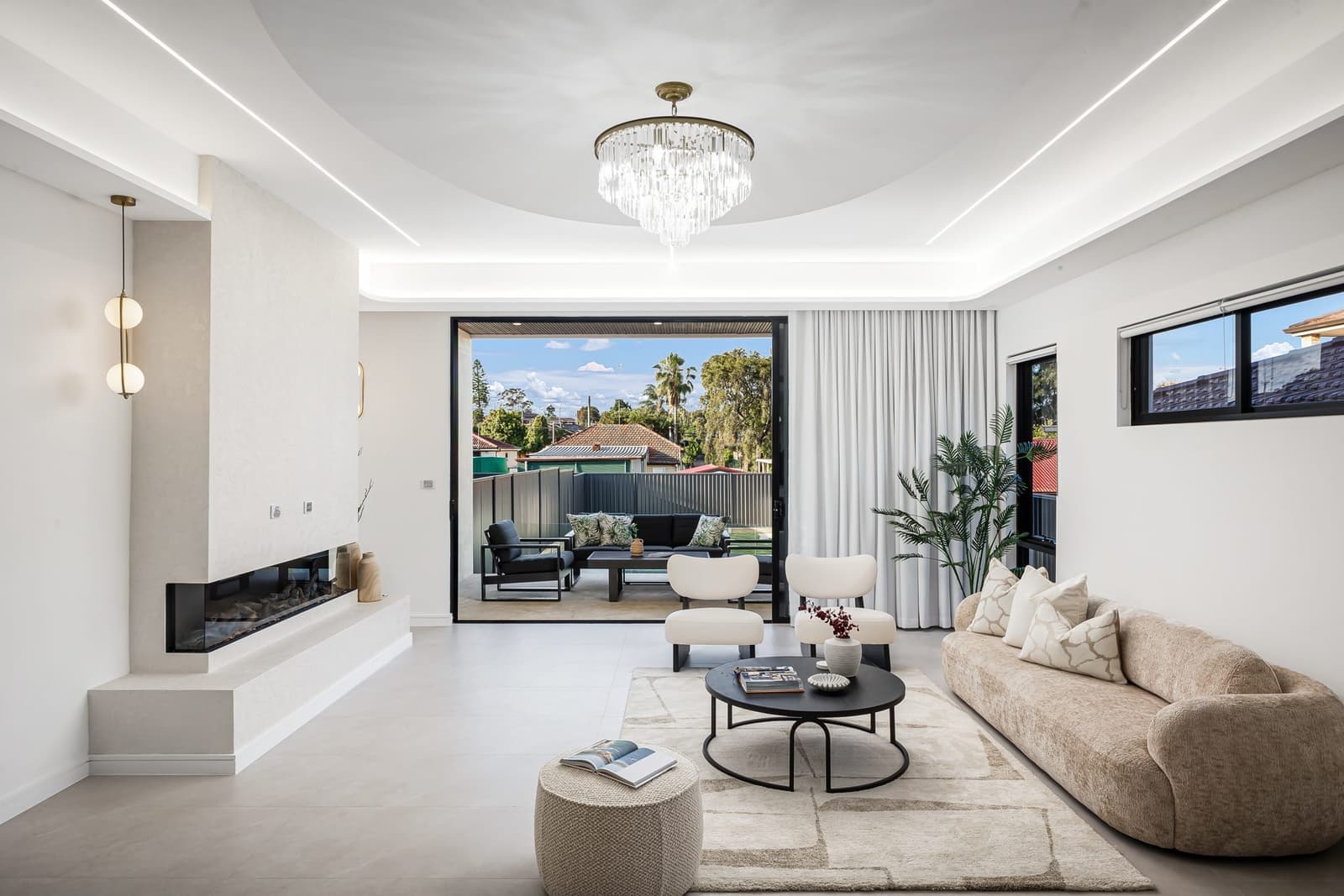
Pymble's 1,000 to 1,800m² blocks let a wing be genuinely ambitious — whole living zones, guest wings, garden pavilions — behind conserved heritage frontages and with the gardens intact.
The catchment holds families for decades, so the design is drawn for that kind of horizon rather than a quick fix.
Heritage and pre-war fabric handled
The heavy heritage controls near the station and Avenue Road are checked before design, so the approval path is clear before you spend on drawings.
The pre-war lead and asbestos are removed under licence, every dollar of it in the quote from the outset.
Home extension builder in Pymble — key facts
- Suburb
- Pymble, NSW 2073
- Council / LGA
- Ku-ring-gai Council (Ku-ring-gai)
- Primary zoning
- R2 Low Density
- Typical lot size
- 1,000–1,800m²
- Soil class
- Class M
- Median house price
- $3.2M–$5.0M
- Home era
- 1920s–1960s
- Typical price range
- $150,000 – $600,000+
- Typical timeline
- 6–12 months design to handover
- Approval pathway
- CDC for most rear extensions, DA for second-storey
Want a real number for YOUR block — not a generic estimate?
Free site assessment, fixed-price contract, line-itemised quote within 48 hours. No high-pressure sales — just a real builder talking real numbers.
Quality Promise
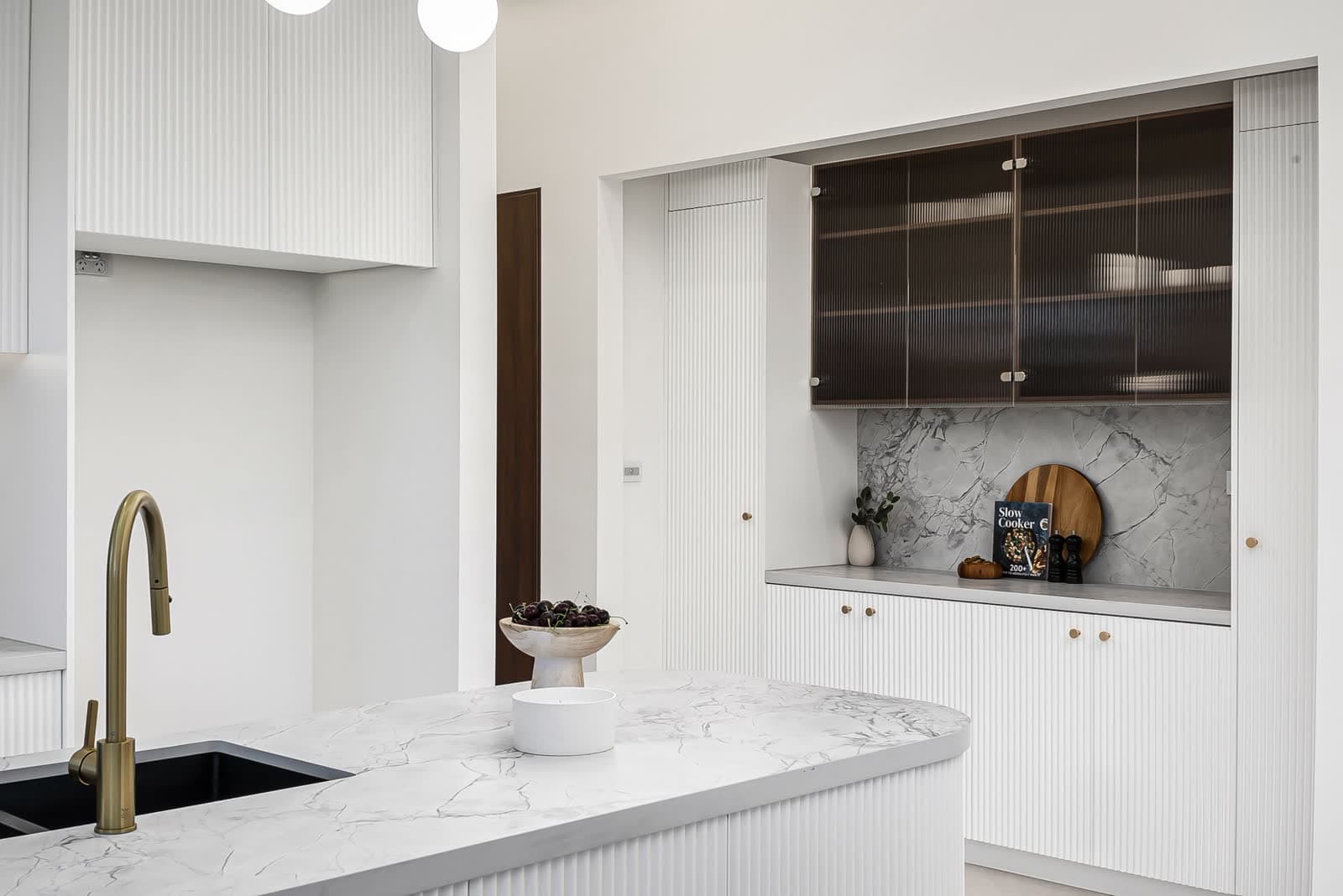
Our Pymble home extensions connect old-to-new cleanly. Matched brickwork, tied roofline, no awkward transitions.
How It Works
From First Call to Final Key
On-site assessment of your 1920s–1960s (heavy heritage stock)-era home in Pymble. We check structural condition, block dimensions (1,000–1,800m²), setback availability, and Ku-ring-gai Council's DCP requirements. Written feasibility and cost estimate provided.
⏱Designing an extension is half about the new space and half about how it joins the old one. Doorway position, ceiling height transition, floor level matching, light wells — the junction makes or breaks how the finished home feels.
⏱We lodge your extension approval — CDC for eligible designs or DA through Ku-ring-gai Council. Full documentation including structural engineering for Class M soil, BASIX, and shadow diagrams. CC issued before works start.
⏱For ground-floor rear extensions you usually stay in the house during the build, with temporary weatherproofing at the junction wall until the new section is locked up. Second-storey additions need a 4–8 week relocation during the roof-off and frame-up phase.
⏱Final inspection, Occupation Certificate, 6-year structural warranty. Your Pymble home now has the space your family needs.
⏱Our Team
Oliver Alameri
Founder / Director / Builder · MPropDev · PhD Student
Ahmad Alameri
Accounts Manager
Claire Wendell
Project Manager
Estimate Your Build Cost
Use our free calculator to get an instant cost estimate for your project
Still got questions? Talk to Oliver directly.
30-min free call — bring your block, your brief, your budget. We'll map out feasibility, timeline, and realistic cost. No sales pitch.
Frequently Asked Questions
Buildana built our granny flat in just 12 weeks. Fast approvals, great communication, and a beautiful final product. Highly recommend.
Fatima Al-Rashid
Liverpool, NSW
We Build Across Sydney
Headquartered in Western Sydney's Fairfield. Active across all 28 metropolitan Sydney LGAs — from Penrith to the Eastern Suburbs, the Hills to the Sutherland Shire.
Last updated: 4 September 2026
Extend, Don't Move — Pymble
Free design consultation for Pymble 2073. We'll assess your home, design the extension, and provide a fixed-price quote.
Start Your ProjectMore in Pymble
Other Buildana services in Pymble
Costs, approval pathway and fixed-price contract detail for every other build type we deliver in Pymble 2073. Ku-ring-gai Council regulations and local controls are covered on each page.