
Rodd Point 2046 · City of Canada Bay
Builders in Rodd Point: Extending a Heritage Cottage Properly
Keep the front for the street. Make the back work for you.
Rodd Point is a small riverside pocket on Iron Cove, full of Federation and inter-war homes, much of it inside heritage conservation areas. Council wants the street to look the way it does. You want a kitchen that isn't from 1925. Both are possible.
Short answer
Can I extend a heritage cottage in Rodd Point?
Yes, usually at the rear. Canada Bay protects the street front in its conservation areas, so the common approach restores the original rooms and adds a lower, clearly modern pavilion behind, often joined by a glazed link. Waterfront lots also face the Iron Cove foreshore building line. DAs take 11 to 15 weeks, and a 50 to 75m² addition runs $1,825 to $1,965 per m².
Written and reviewed by Oliver Alameri
Licensed builder, NSW Contractor Licence 487805C · Founder, Buildana
Fact-checked
What council actually protects
In a conservation area, the protection is about the character of the street, not freezing every house in time. Council cares most about what you can see from the public domain: the roof form, the front verandah, the original windows, the brick and the front fence.
Homes are often classed as contributory, meaning they add to the area's character. Changes to the front of a contributory house get scrutinised closely. Changes at the back, out of sight from the street, have much more freedom.
Any meaningful work usually goes through a DA with Canada Bay Council, often with a Statement of Heritage Impact and referral to council's heritage advisor. Canada Bay typically takes 11 to 15 weeks, sometimes longer when heritage is involved.
Heritage controls protect what the street sees. Behind the ridge line, there's room to breathe.
The rear pavilion approach
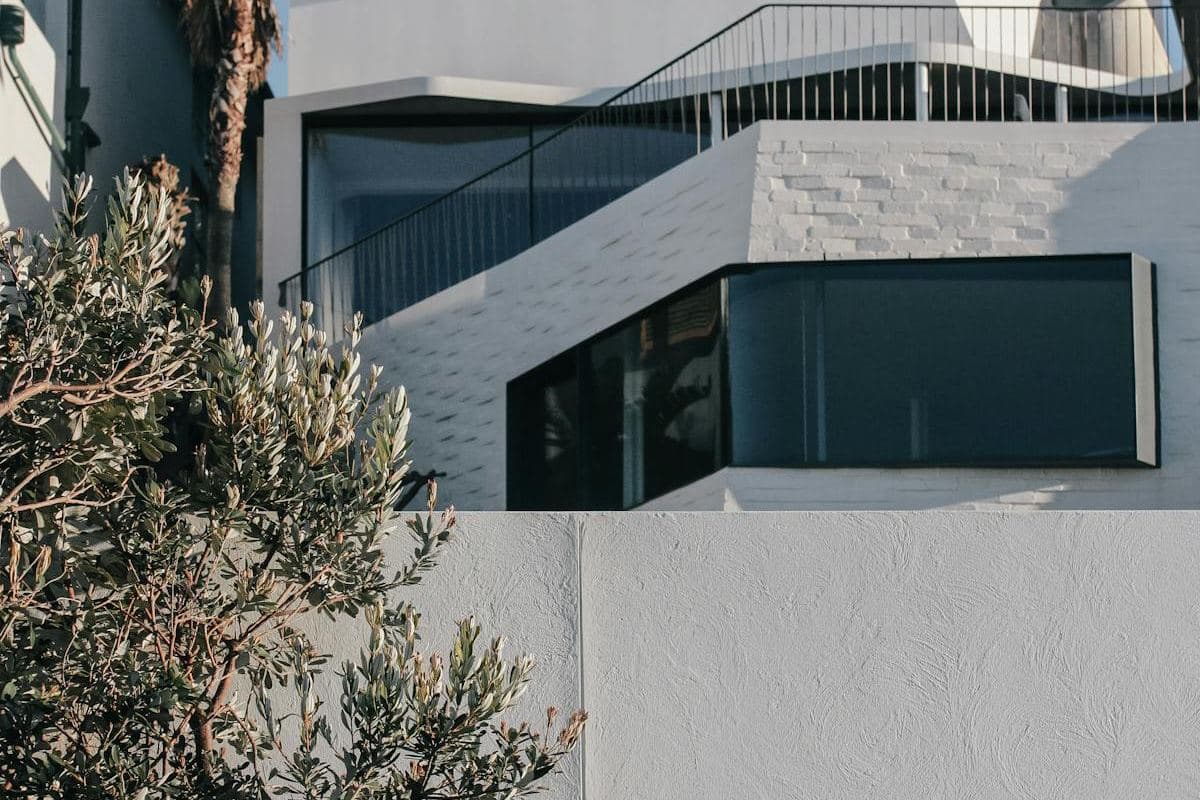
The design approach heritage advisors most often support is simple. Keep the original front rooms, restore them properly, and add a new pavilion at the back that's clearly modern but lower and subordinate to the old house. A short, glazed link often connects the two.
That way the old house stays legible and the new part doesn't pretend to be old. Inside, the pavilion holds the open kitchen, dining and family area, with big glass doors to the yard. The original front rooms become bedrooms, a study or a formal lounge.
Materials matter. Face brick or render for the base, lightweight cladding or timber above, a roof that sits below the original ridge. Nothing that competes with the front.
- Original front rooms kept and restored
- New living pavilion at the rear, lower than the main roof
- A glazed link separating old and new
- Materials that complement rather than copy
Let's plan a heritage extension that gets approved
Send me your Rodd Point address and some photos. I'll check the heritage status, the foreshore line and the original fabric, and talk you through an approach that council will support.
0476 300 300On the water: the foreshore building line
Lots fronting Iron Cove fall under Canada Bay's foreshore building line. It's a setback measured from the water, and building forward of it is heavily restricted. For a waterfront property it can define exactly where an extension may go.
Near the water, the ground can also include softer river deposits over shale, and acid sulfate soils are mapped along parts of the foreshore. A geotech report tells us what the new footings need.
Restoring the old part properly
Most Federation and inter-war homes here need work on the original fabric too: repointing brickwork with a lime-based mortar rather than hard cement, repairing timber windows rather than replacing them with aluminium, fixing leadlight, re-roofing in terracotta or slate to match.
Houses from this era can hide asbestos in later additions and lead in old paint. We test before disturbing either.
The new pavilion? A smaller brick veneer addition, 50 to 75 square metres, is $1,825 to $1,965 a square metre on Rawlinsons for Sydney, kitchen and bathroom on top. Heritage-grade restoration of the front rooms is priced separately.
Before extending in Rodd Point
Six things that decide how a heritage extension gets designed and approved.
- 01
Whether the house is a heritage item or contributory in a conservation area
- 02
Council's heritage controls and any design guidance for the area
- 03
The foreshore building line, if the lot fronts Iron Cove
- 04
What original fabric survives and its condition
- 05
Asbestos and lead paint testing before any demolition
- 06
Soil conditions near the foreshore for the new footings
Heritage homes in Rodd Point
Can I extend a heritage house in Rodd Point?
Usually, yes, especially at the rear. Council focuses on protecting what's visible from the street. A well-designed rear addition that's lower and clearly separate from the original is the most common approved approach.
Do I need a heritage consultant?
For a DA in a conservation area, a Statement of Heritage Impact is usually required, prepared by a heritage consultant. We coordinate that as part of the design.
What is the foreshore building line?
A setback line measured from the water along Iron Cove and the Parramatta River. Building forward of it is heavily restricted, so it can define where an extension can go on a waterfront lot.
Can I replace old timber windows with aluminium?
On the street-facing part of a heritage or contributory home, council will usually want timber windows kept or replaced like for like. At the rear, there's more flexibility.
Sources and references
Costs are from the Rawlinsons handbook with the local cost index applied; rules and timeframes are checked against the sources below.
Honour the old house. Live in the new part.
A Rodd Point extension done properly keeps the street happy and gives you the home you need.