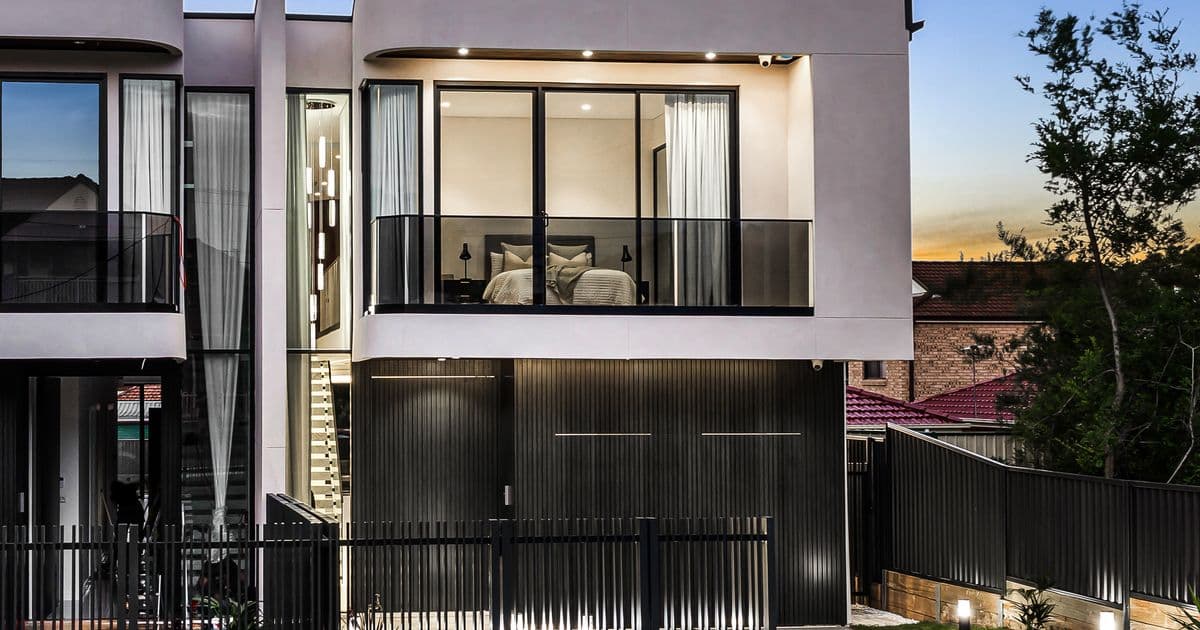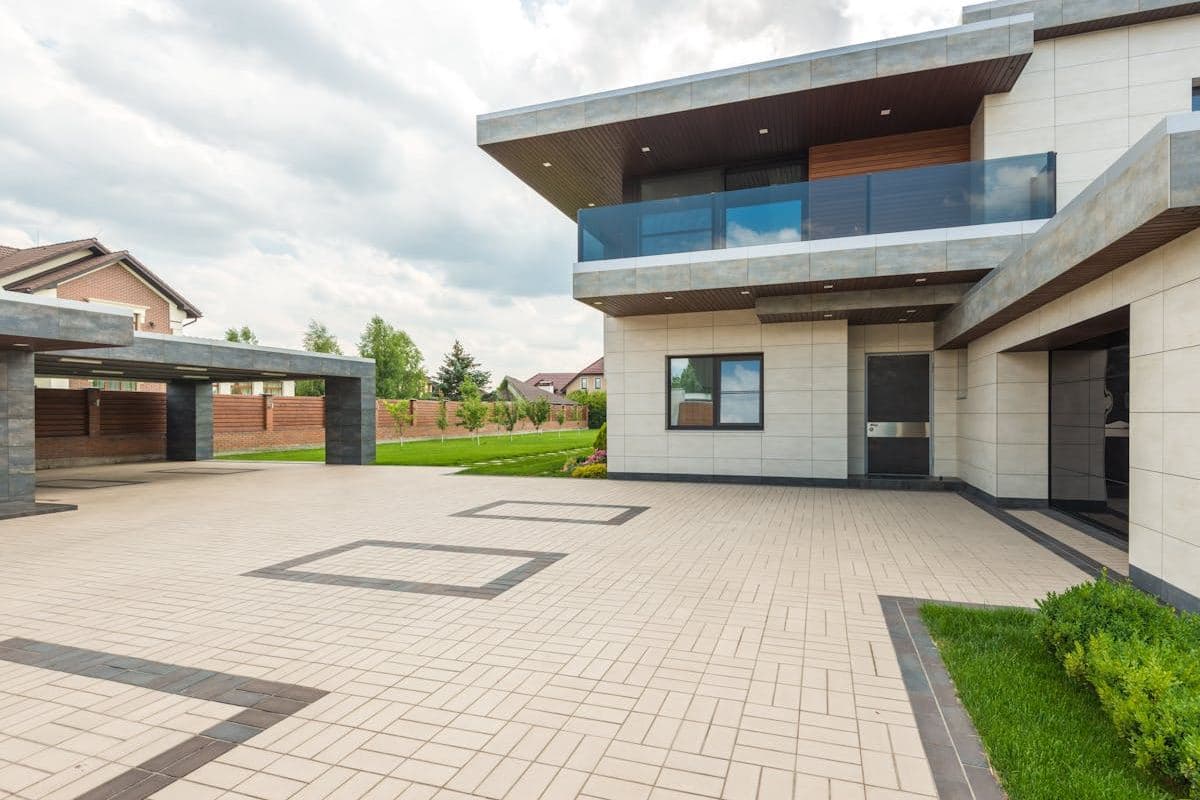
Boarding House Development in Western Sydney — Is It Still Profitable in 2026?
Boarding houses have been one of Western Sydney's most popular medium-density development types since the Affordable Rental Housing SEPP made them easier to approve. But changes to planning rules, rising construction costs, and evolving council attitudes have shifted the landscape. Is boarding house development still viable in 2026?
Buildana (Lic. 487805C) has built boarding houses across Fairfield, Liverpool, and Canterbury-Bankstown. Here is the current reality — costs, yields, approvals, and whether the numbers still work.
What Is a New Generation Boarding House?
A 'new generation boarding house' under NSW planning rules is a purpose-built shared accommodation facility with:
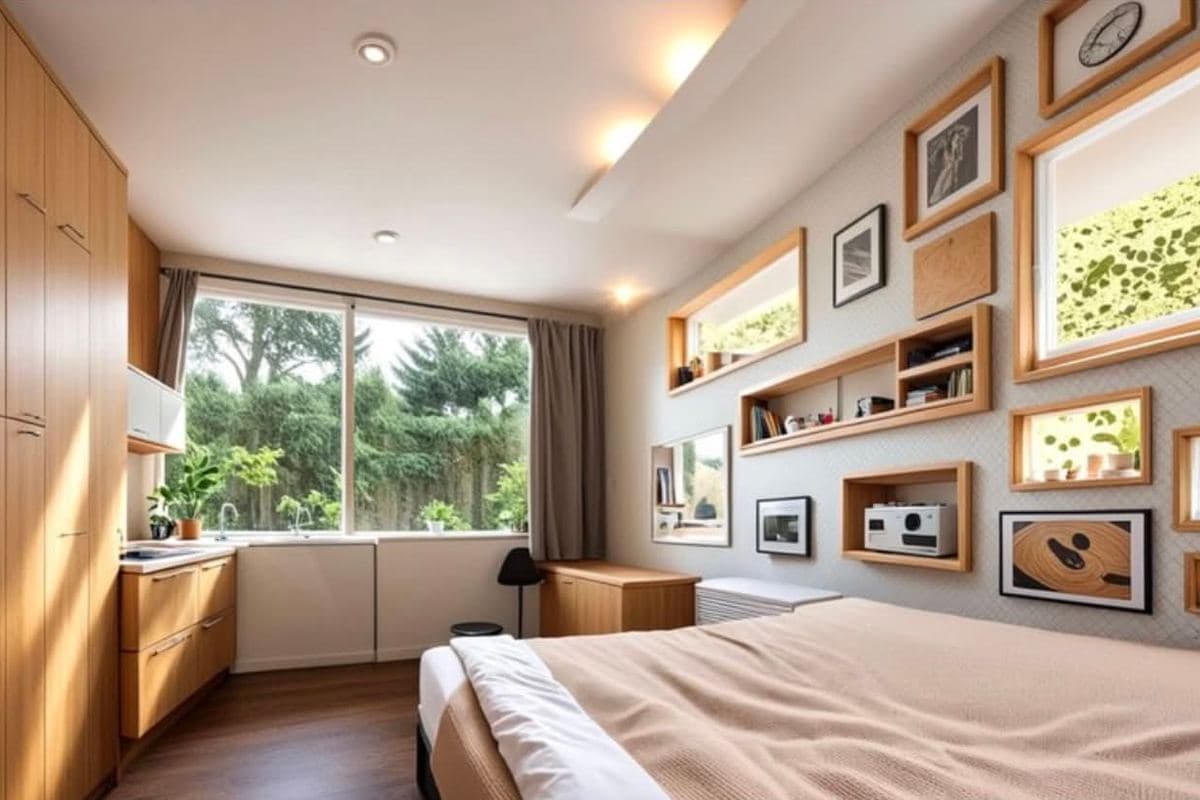
• Self-contained rooms (12–25 sqm each) with ensuite bathroom and kitchenette • Shared communal living and laundry facilities • On-site manager accommodation (for developments of 20+ rooms) • Car parking at reduced rates compared to standard housing (typically 0.2–0.5 spaces per room)
The key advantages for developers:
• Bonus floor space ratio — some councils allow up to 0.5:1 additional FSR for boarding houses over standard residential development • Reduced parking requirements — significantly less parking than equivalent apartments or houses • Permitted in R2 zones — unlike apartments, boarding houses can be built in low-density residential zones (subject to council controls) • Strong rental yields — room-by-room rental generates higher gross income than a single dwelling
However, the December 2023 amendments to the ARH SEPP introduced minimum room sizes, improved amenity standards, and gave councils more control over boarding house approvals. The era of maximising rooms on minimal land is over.
Running feasibility on a site?
We do builder-led feasibility — actual build costs, real council timelines, no inflated optimism. Free first review.
Construction Costs — Boarding House 2026
Boarding house construction costs are higher per square metre than standard residential because of the number of individual wet areas (each room has its own bathroom) and the fire rating requirements between rooms.
Based on Rawlinson data adjusted for 2026 Sydney:
• Construction cost per room (including common areas, corridors, manager's room): $80,000–$130,000 per room depending on size and spec • Total construction cost for a 10-room boarding house: $800,000–$1,300,000 • Total construction cost for a 20-room boarding house: $1,600,000–$2,600,000
Additional costs: • Demolition of existing dwelling: $10,000–$25,000 • Approval (DA — CDC is rare for boarding houses): $15,000–$30,000 • Professional fees (architect, engineer, BCA consultant, fire engineer): $40,000–$80,000 • External works (driveway, landscaping, bin storage, bike parking): $40,000–$80,000 • Council contributions: $30,000–$80,000 • Fire safety systems (sprinklers mandatory for boarding houses): $30,000–$60,000
Total all-in cost for a 10-room boarding house on a 600 sqm block: $960,000–$1,600,000 (excluding land).
Rental Income and Yield Analysis
Boarding house rental income (Western Sydney, 2026):
• Room rent (self-contained, furnished, bills included): $280–$380/week per room • 10-room boarding house weekly income: $2,800–$3,800/week • Annual gross income (at 95% occupancy): $138,320–$187,720
Annual expenses: • Property management (specialist boarding house managers charge 10–15%): $13,832–$28,158 • Utilities (paid by owner — electricity, water, gas, internet): $15,000–$25,000 • Council rates: $3,000–$5,000 • Insurance (higher than standard residential): $5,000–$8,000 • Maintenance and repairs: $10,000–$20,000 • Cleaning (common areas, vacant rooms): $5,000–$10,000 • Supplies (furnishings replacement, consumables): $3,000–$5,000
Total annual expenses: $54,832–$101,158
Net annual income: $83,488–$86,562
Gross yield on construction cost ($1,300,000): 10.6–14.4% Net yield on construction cost: 6.4–6.7%
These yields are strong — significantly higher than residential rental yields of 3–4%. However, boarding house management is more intensive than standard residential investment. Vacancy, tenant turnover, and maintenance are higher.
Approval Challenges and Council Attitudes in 2026
Boarding house approvals have become more difficult since the ARH SEPP amendments:
• Fairfield City Council: Generally supportive, but requires DA (no CDC). Assessment takes 60–120 days. Closely scrutinises car parking, amenity, and impact on neighbours.
• Liverpool City Council: More restrictive — some areas have specific boarding house controls that limit room numbers based on lot size. Higher development contributions.
• Canterbury-Bankstown Council: Variable — some wards are supportive, others resistant. Community objections are common and council gives them weight.
• Cumberland Council: Relatively supportive in R3 zones but stricter in R2 areas.
Key approval requirements: • Design must comply with updated boarding house provisions — minimum room sizes, minimum communal areas, individual bathroom per room • Fire safety report by an accredited fire engineer • Acoustic assessment demonstrating acceptable noise levels for neighbours • Traffic and parking assessment • Waste management plan • Detailed landscape plan
Buildana manages the full DA process for boarding house developments. For more on our commercial and medium-density capabilities, see /commercial/boarding-houses. Contact us at /contact for a feasibility assessment.