Construction Loan vs End Debt 2026 — Progress Draws, Capitalised Interest, and Where Builds Stall
Most homeowners building in Western Sydney get tripped up by the same thing: they understand a regular mortgage, but the construction loan stage in front of it is a different animal. The mechanics are unfamiliar, the documentation is more, the lender holds more leverage during the build, and the wrong setup creates real cashflow stress at the wrong moment.
Here's the practitioner-level walkthrough — what construction loans actually do, where end debt picks up, where builds stall financially, and how to set the structure up so you don't fight the bank in month seven.
What a Construction Loan Actually Is
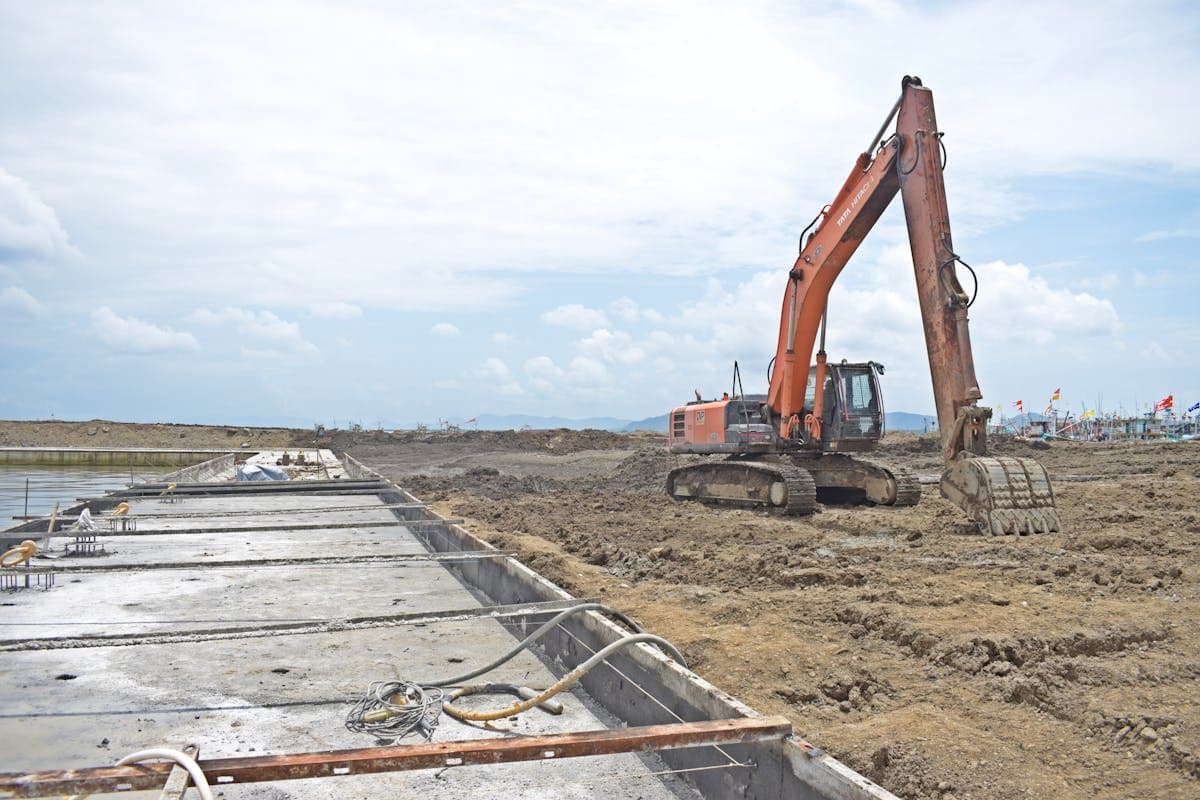
A construction loan is a loan that funds a building contract in progress payments rather than as a single drawdown. Five or six standard stages aligned to typical residential building contract milestones:
• Slab — typically 10% of contract value • Frame — 15% • Lockup — 35% (roof on, windows in, externally sealed) • Fixing — 20% (internal trades, plaster, kitchen, joinery) • Practical completion — 20% (handover ready)
For existing-land builds, the construction loan sits on top of existing equity in the land. For new-land purchases, the lender provides a single facility covering land settlement plus construction draws — the land is settled first, then progress payments flow during construction.
Key distinction: you only pay interest on drawn balances, and most banks let you capitalise interest during the construction period rather than pay it monthly. End debt = the mortgage you're left holding the day after handover, paying P&I (or interest-only if structured that way) on the full balance.
How Lenders Assess and Approve a Construction Loan
Documentation pack a residential lender wants in 2026:
• Fixed-price building contract (HIA or Master Builders standard) • Final approved working drawings • Specification and inclusions list signed by both parties • Council approval — DA Determination Notice or CDC certificate • Builder's licence and insurance (Home Building Compensation Cover) • Builder's financial reference (some lenders run a credit check on the builder) • Quantity surveyor's report on the build cost (lender-ordered, ~$880–$1,650) • Land valuation (current 'as is' and 'as if complete') • Standard income, expenses, deposit and serviceability documentation
Approval timeline: 3–6 weeks for a clean application, longer if the builder is unfamiliar to the lender or the build is non-standard. Most major banks have a panel of approved builders — non-panel builders work but get more scrutiny.
Need a builder who actually communicates?
Weekly progress photos, dedicated PM, fixed-price contract. That's how every Buildana project runs.
The Progress Payment Mechanic — Where Things Actually Stall
Each progress payment requires:
1. Builder issues a progress claim (invoice) to you 2. Borrower signs a drawdown request 3. Bank's quantity surveyor or valuer attends site to verify the stage is genuinely complete 4. Surveyor issues a report — work-in-place value, photos, condition 5. Bank processes the draw and pays the builder 6. Builder confirms receipt and continues to the next stage
Typical timing: 5–10 business days from claim to payment for a clean stage. Common stalling points:
• Stage not actually complete to the surveyor's standard — frame stage with eaves not yet lined, or lockup stage with one window not glazed. Surveyor signs off only the genuinely complete value, leading to partial payment and friction with the builder. • Documentation mismatch — builder's claim references a contract figure that doesn't match the lender's loan agreement (often after a variation that wasn't formally lender-approved). • Variations not capitalised — owner agreed a $20,000 variation with the builder but didn't extend the construction loan to cover it. Bank pays only the original contract value; owner has to fund the variation in cash. • Insurance lapses — builder's HBCF certificate expired or contract works insurance not maintained. Banks freeze drawdowns until reinstated.
This is where 70% of build cashflow problems originate. The contract is fine, the build is fine, but the alignment between builder's claim, lender's contract, and surveyor's view drifts, and someone — usually the homeowner — has to bridge the gap from cash.
Capitalised Interest — Why Most Owners Should Use It
During a 12–15 month build, your loan balance grows progressively. Average outstanding balance is usually 50–55% of the final balance.
Example: $800k construction loan, 14-month build, 6.50% headline rate.
• Average drawn balance during build: ~$420k • Total interest accrued during construction: ~$31,000 • Monthly interest 'in the worst month' (months 12–14): ~$4,200
Capitalising interest means the bank adds the interest to the loan balance rather than billing you monthly. You don't pay anything during the build period — your cashflow stays free. At handover, your $800k loan becomes ~$831k and you start P&I from there.
Servicing interest monthly during the build instead saves you the $31k of capitalisation, but requires you to find ~$2,000–$4,200/month from existing cashflow on top of your existing rent or mortgage on the previous property.
For most owner-occupiers building their forever home, capitalising is the better cashflow choice. For investors or developers with strong existing income, servicing monthly avoids compounding and is slightly cheaper over the loan life.
Fixed-price estimate
Get a real number for your block
Two minutes now saves the guesswork. Oliver or one of the team calls back with a realistic range for your suburb and block, then books a free site walk if you want a fixed price.
- Priced off your block, not a brochure — soil, slope and council read first
- NSW licensed builder 487805C. HBCF insured. Fixed-price HIA contract.
- Reply within 4 working hours. No sales pressure, ever.
End Debt — The Refinance Window You Should Use
At practical completion, the construction loan converts to a standard mortgage — same loan account, same lender, but now P&I (or interest-only by election). At this exact moment you have leverage you didn't have during construction:
• A freshly valued completed home (the bank has a current 'as if complete' valuation in their file) • A clean borrower history — you've made good on the construction draws • Strong competition between lenders for your now-clean residential loan
Most owners default to staying with the construction lender. That's often the wrong move. Refinancing within 60–90 days of practical completion typically yields:
• A 0.20%–0.40% rate reduction (refinance offers are sharper than retention offers in 2026) • Cashback offers $2,000–$4,000 from competing major banks • Loan structure improvements (offset accounts, sub-accounts for renovations, fixed-rate splits)
If you stay, you're effectively paying a loyalty tax. Most clients we see save $3,000–$8,000 per year by refinancing within 90 days of handover.

What to Set Up Before You Sign
Pre-signing checklist for a smooth construction loan experience:
• Use a broker rather than walking into a single bank — construction loan terms vary materially between lenders (Westpac, CommBank, Macquarie, Bankwest, ME Bank, NAB all sit at different points) • Confirm the lender's panel acceptance for your builder before you sign the building contract — surprise rejections post-contract are painful • Ensure the loan facility includes a variation buffer (typically 5%–10% above the contract value) to fund agreed variations without re-applying • Review the fixed-price contract clauses for lender alignment — variations procedure, progress payment definitions, insurance maintenance obligations • Ask the broker for a rate lock at sign-off if drawdown is more than 60 days away • Set up an offset account linked to the construction loan from day one — even partial use during the build period reduces capitalised interest
For what to demand in your building contract see /insights/knockdown-rebuild-contract-checklist-sydney and /insights/nsw-building-contract-guide-homeowners-2026. For the project-cost side see /insights/complete-guide-building-costs-sydney-2026. For a Western Sydney builder who's been on the panel of every major lender for the last decade and can hand you the documentation pack pre-formatted call 0476 300 300.
*General practitioner commentary, not financial advice. Engage a licensed mortgage broker for current product comparisons and structuring advice for your specific situation.*