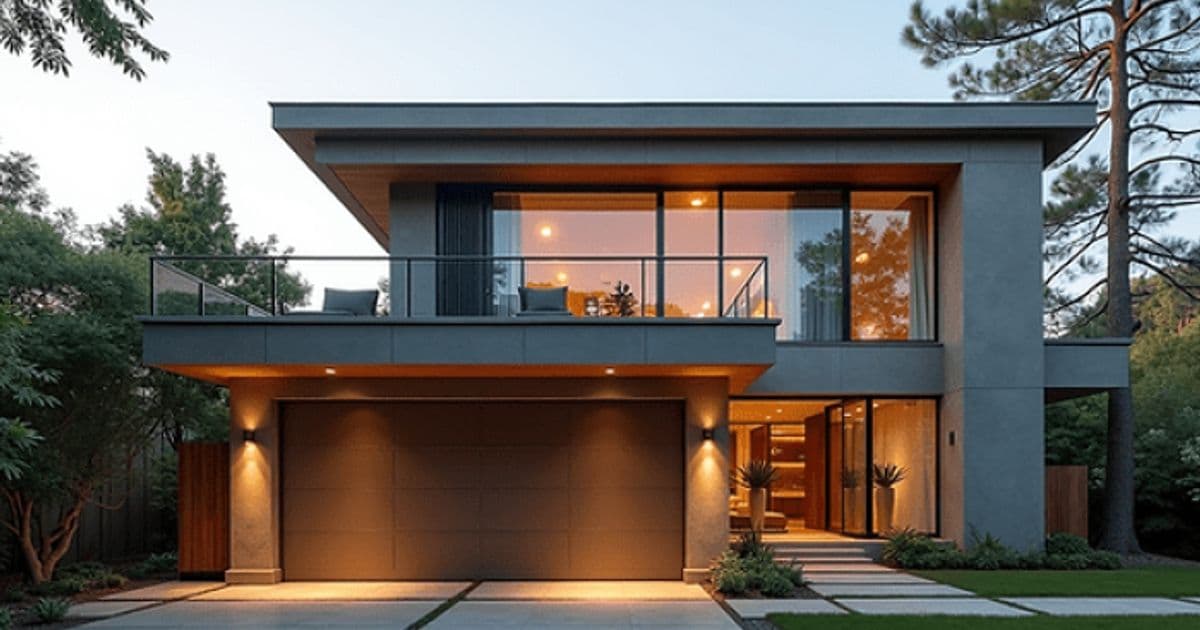
Eco-Friendly Home Designs That Actually Work in Western Sydney
Most eco-friendly home design advice is written for a generic audience. Western Sydney is not generic. Summer temperatures regularly hit 40°C+ in Fairfield, Liverpool, and Blacktown. Winter mornings drop to 3–5°C. You need a home that handles both extremes without running the air conditioning 24/7.
Since the 2023 BASIX update, every new home in NSW must hit tougher energy and water targets. That is not optional — your Occupation Certificate depends on it. Buildana designs every project to meet BASIX from the concept stage, not as a last-minute scramble.
The real benefit of eco-friendly home designs is lower running costs. A well-designed home in Western Sydney saves $2,000–$4,000 per year on energy bills compared to a standard build. Over 20 years, that is $40,000–$80,000 back in your pocket.
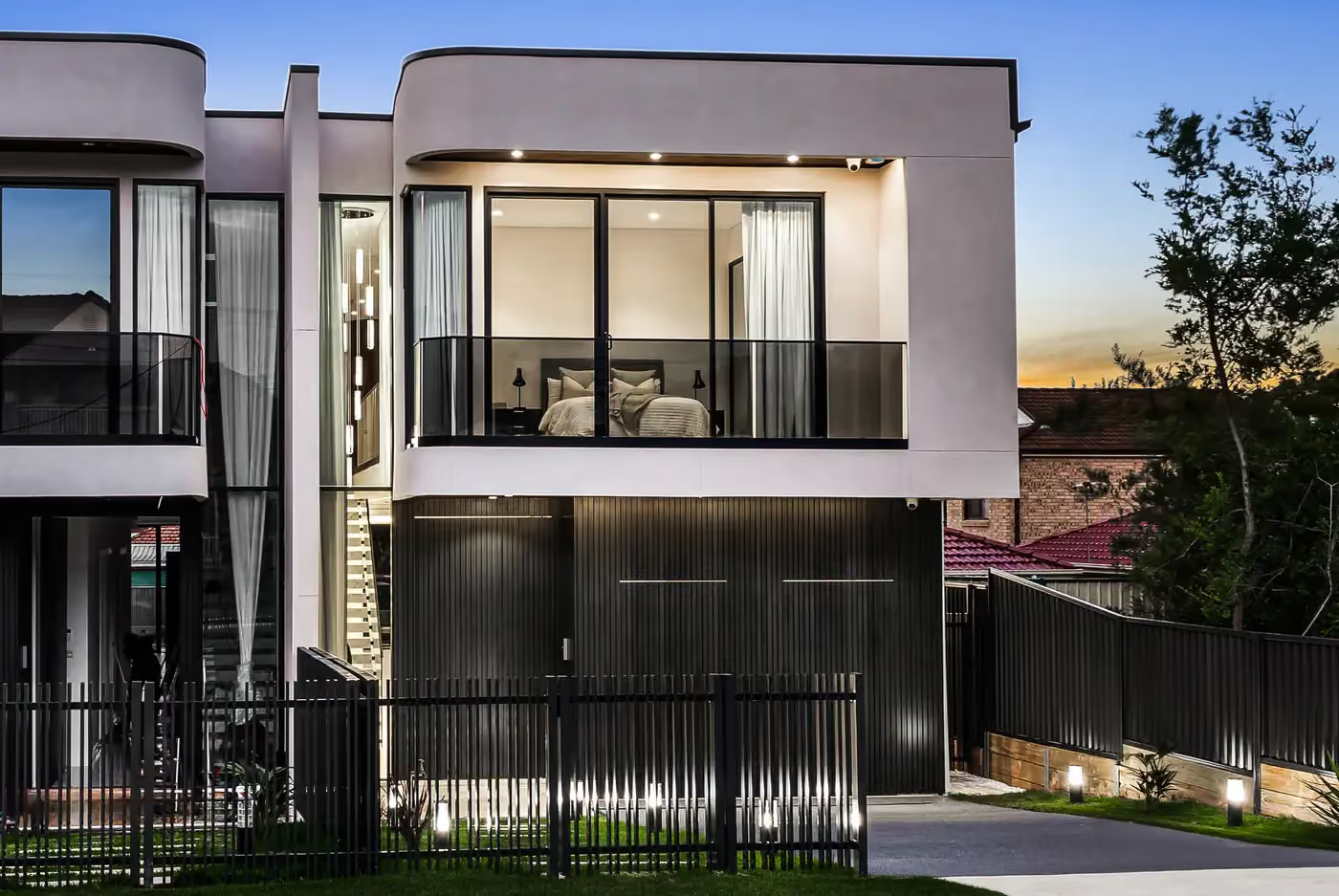
Orientation and Passive Design — The Free Wins
The most effective eco-friendly upgrades cost nothing extra. They are design decisions made before construction starts:
• North-facing living areas: Captures winter sun and reduces heating demand. In Western Sydney, this alone can reduce energy costs by 20–30%. • Eaves and shading: 600mm eaves on the north side block summer sun (high angle) while allowing winter sun (low angle) to penetrate. West-facing windows need external shading — internal blinds do almost nothing against Western Sydney's afternoon heat. • Cross-ventilation: Position windows on opposite walls to create natural airflow. This is particularly effective in suburbs like Liverpool and Fairfield where evening breezes come from the northeast. • Thermal mass: Concrete slab floors absorb heat during winter days and release it at night. In summer, they stay cool if properly shaded.
Buildana models these factors during the design phase using NatHERS software. A well-oriented home can score 7+ stars without expensive upgrades.
Got questions about your project?
Free 30-min consultation with Oliver — bring your block, your brief, your budget. No sales pitch, just honest advice.
Materials and Systems That Pay for Themselves
These eco-friendly features have a real payback period in Western Sydney:
• Solar panels (6.6kW system): $4,000–$7,000 after rebates. Saves $1,500–$2,500 per year. Payback: 2–4 years. • Rainwater tank (3,000L minimum for BASIX): $2,500–$5,000 installed. Plumbed to toilets and laundry as required by BASIX. • Double-glazed windows: $8,000–$15,000 premium over single-glazed on a typical home. Reduces heating and cooling load by 25–40%. Payback: 5–8 years, plus significantly better comfort. • R4.0 ceiling insulation + R2.5 wall batts: Standard in Buildana builds. Minimum code is R3.5 ceiling — we go higher because the cost difference is $500–$800 and the comfort improvement is noticeable. • Heat pump hot water: $3,000–$5,000 installed. Uses 65–75% less energy than electric storage. Required by BASIX in most configurations. • LED lighting throughout: Standard in all new builds. No cost premium anymore.
Buildana includes solar, rainwater harvesting, and high-performance insulation as standard specifications — not optional extras.
What BASIX Actually Requires in 2026
Every new home in NSW needs a BASIX certificate before approval. The 2023 update raised the bar significantly:
• Energy target: 50–60 points (up from 40). This is where orientation, insulation, glazing, and HVAC selection matter most. • Water target: 40 points. Rainwater tank plumbed to toilets and laundry is the baseline. Water-efficient fixtures (4-star WELS rating minimum) are standard. • Thermal comfort: NatHERS rating of 6–7 stars depending on climate zone. Western Sydney is climate zone 28 — hot summers and cool winters make this challenging without proper design.
Common BASIX mistakes we see from other builders: undersized rainwater tanks, excessive west-facing glazing, electric storage hot water (almost always fails the energy target), and specifying a tank without actually plumbing it to toilets.
Buildana runs BASIX modelling during concept design — not after plans are finished. This avoids expensive redesigns and keeps your project on track.
Real Cost Impact on a Western Sydney Build
On a typical 250sqm custom home in Western Sydney, eco-friendly features add approximately $25,000–$45,000 to the build cost. Here is where that money goes:
• Solar panels (6.6kW): $5,000 • Rainwater tank (3,000L, plumbed): $4,000 • Double-glazed windows: $12,000 premium • Upgraded insulation (R4.0 ceiling, R2.5 walls): $1,500 • Heat pump hot water: $3,500 • WELS 4-star fixtures: $500 • LED lighting package: Included
Total premium: approximately $26,500 Annual energy savings: approximately $3,000 Payback: under 9 years
After payback, those savings continue for the life of the home. And the comfort difference — a home that stays cool in January and warm in July without hammering the AC — is immediate.
Buildana builds eco-friendly homes across Western Sydney with fixed-price contracts. Visit /design-build/design-and-construct or call 0476 300 300.