Different Problems, Different Solutions
Granny flat: separate 60 sqm dwelling at the back of the block. Rents independently. Tenant has own kitchen, own bathroom, own front door. Generates $380-$500/week in Western Sydney 2026.
Extension: adds 40-80 sqm to the existing house. Same kitchen, same family. More bedrooms or more living area. Doesn't rent.
The two are not interchangeable. They solve different problems. Buildana (Lic. 487805C) builds both across Western Sydney, and we have this conversation with clients almost every week.
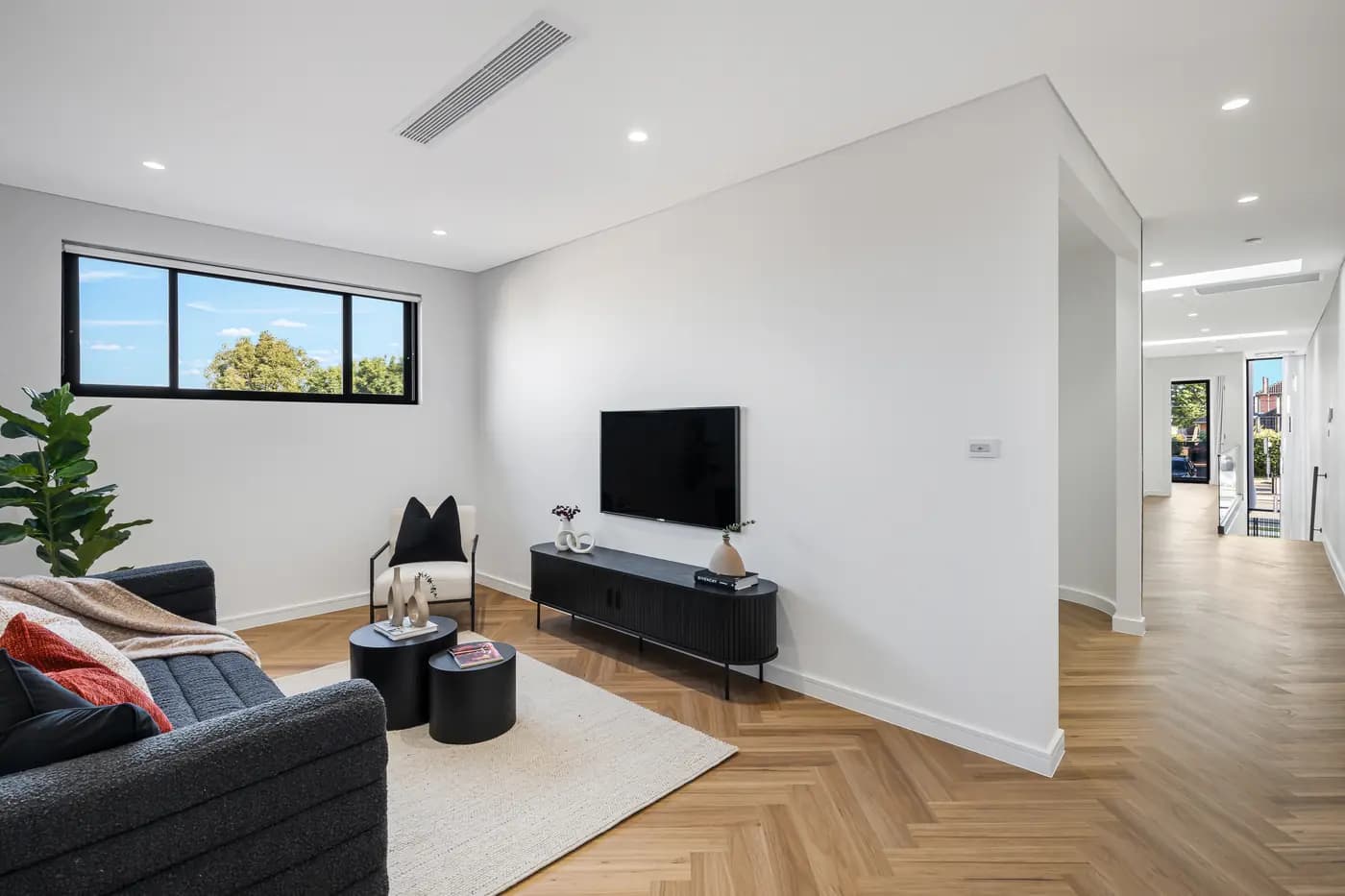
Cost Comparison — Similar Numbers, Very Different Returns
Granny flat (60 sqm, detached, 2-bed): all-in $150,000-$210,000. Ground floor extension (60 sqm, mid-spec): all-in $170,000-$230,000. First floor addition (60 sqm): all-in $210,000-$290,000 (structural reinforcement, scaffolding, roof rework).
Granny flat and ground-floor extension land in roughly the same dollar bracket. But the granny flat throws off $20,000-$26,000/year in rent. The extension throws off zero.
Property value uplift is closer on this. A 60 sqm extension on a 3-bed house turning it into a 4-bed adds $90k-$160k to property value in Western Sydney. A 60 sqm granny flat adds $80k-$160k. Similar capital gain. But only the granny flat pays you while you wait.
Want a real granny flat price for your backyard?
Fixed-price granny flats from Buildana. We'll price YOUR block — not a generic range.
What You're Actually Buying
Granny flat: • Independent rental income. • Optionality — rent it, house a parent, run a home business, use it as adult-child accommodation. • Two CTs in time (only if combined with subdivision — separate exercise). • Less disruption to the main house during construction.
Extension: • More room in the family home — bedrooms for growing kids, larger living area, second bathroom, study, butler's pantry. • Single integrated home (not two dwellings). • Better for resale to a buyer who wants 'one big house' vs 'house + granny flat'. • Major disruption to the main house during construction (often 4-6 months living with one less bedroom).
When Each One Wins
Granny flat wins when: • Existing house is adequate for the family. • Block is 550 sqm+ with usable backyard. • Investment income is a priority. • Want elderly parent accommodation with privacy. • Want optionality (sometimes rent, sometimes family).
Extension wins when: • Existing house is genuinely too small (3-bed family of five). • Block is too small or wrong shape for a granny flat (rear setbacks consume too much). • Family will stay in the house long-term and just need more space. • Target market for resale is families, not investors.
Many clients in Fairfield, Liverpool and Cumberland do BOTH over a 5-10 year period — extend the house first to fix the lifestyle problem, then add the granny flat 3-5 years later when budget permits to layer in rental income. That sequencing works because the extension typically uses the side or rear of the house in a way that doesn't conflict with the granny flat envelope at the back of the block.
Buildana's free site assessment will tell you what your block actually supports. Contact us.
If granny flat lands as the right call for your site, jump straight to the layouts at /homes/granny-flats/designs.