Inner West Heritage Conservation Areas in 2026 — What's Actually Allowed
The Inner West LGA, post-amalgamation, holds one of the densest concentrations of Heritage Conservation Areas (HCAs) in metropolitan Sydney. Marrickville, Newtown, Erskineville, Stanmore, Petersham, Dulwich Hill, Lewisham, Summer Hill, Ashfield, Haberfield, Leichhardt, Annandale, Balmain, Birchgrove and Rozelle all carry substantial HCA coverage. Some entire suburbs (Haberfield is the standout — the entire suburb is an HCA, Federation garden suburb-listed). Others have specific streets or precincts protected.
What HCA actually means for an Inner West owner planning a renovation, extension, dual-occupancy or rebuild in 2026 is the question this article answers — because a lot of well-intentioned projects get redrawn at week 18 of a DA cycle when an architect or builder didn't engage with the HCA controls properly at concept stage.
What an HCA Actually Controls in 2026
An HCA controls the visible streetscape character of a heritage precinct. It does not (usually) control the interior of your house, the rear elevation invisible from the street, or your back garden. That's the key distinction owners often miss — HCA is about streetscape, not about preserving every brick.
What it does control on a typical Inner West HCA-affected property:
• Front facade — original brickwork, weatherboard, render, sandstone where present, cannot be removed or substantially altered. Repointing, repair and matching restoration are allowed; demolition or contemporary recladding generally is not. • Front roof form and material — original slate, terracotta, corrugated iron retained or matched. Roof pitch and form preserved. • Original timber joinery to street — sash windows, doors, fanlights, decorative timber. Replaced like-for-like, not modernised. • Verandah, cast-iron lacework, decorative elements — preserved or restored, sometimes reinstated where lost. • Front fence and pier proportions — typically controlled to original style and height. • Front garden setback and tree canopy — preserved. • Streetscape colour palette — heritage paint guides applied; some Councils enforce particular palettes.
What is generally allowed:
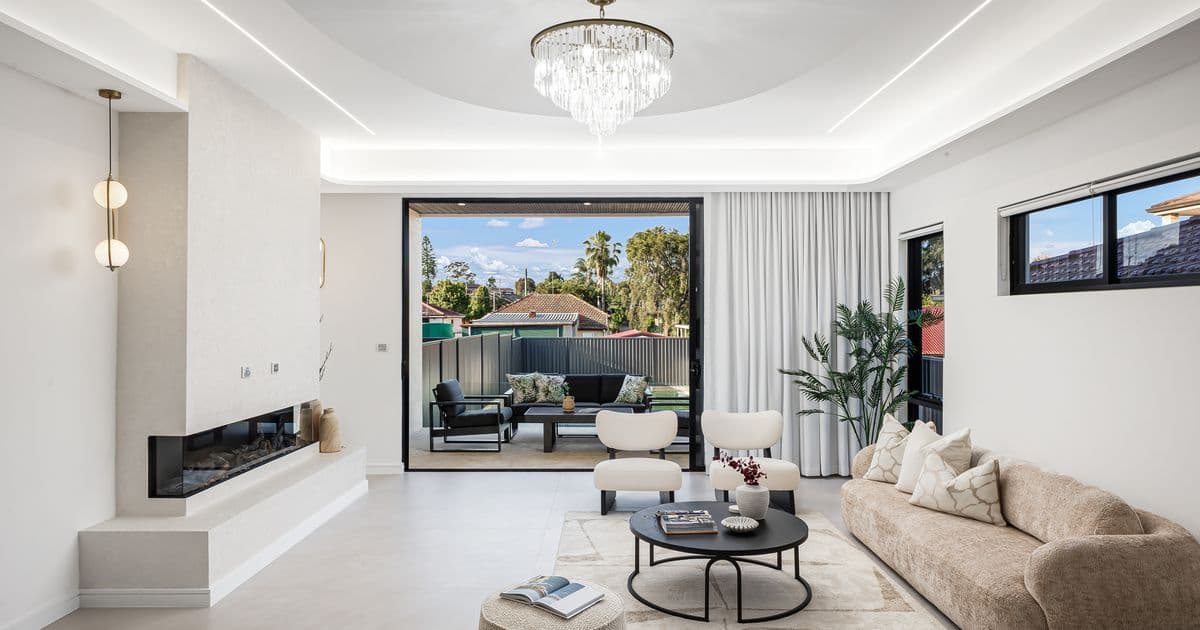
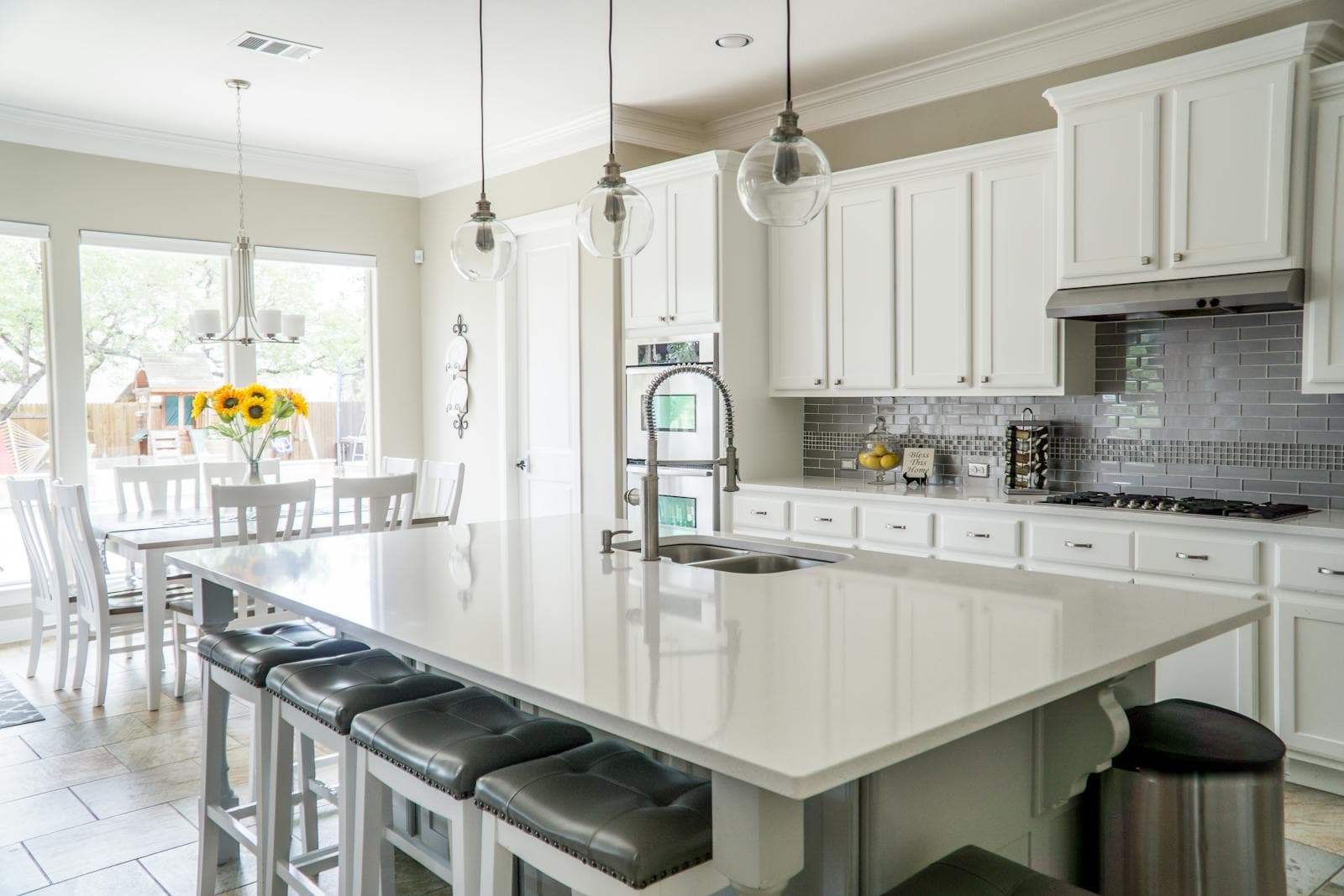
• Rear extensions within rear setback rules, often with contemporary form • Second-storey additions behind the front roof ridge line with stepped-back massing • Internal reconfiguration that doesn't compromise structural fabric or original interior heritage detail • Side and rear new windows and doors within standard side setback rules • Modern services upgrades — kitchens, bathrooms, electrical, plumbing, HVAC • Granny flats and secondary dwellings in the rear yard within standard SEPP controls
The Inner West Council's HCA approach is generally pragmatic — preserve the streetscape, allow modern living behind. That's an important distinction from a stricter LGA like Hunters Hill where individual heritage items often constrain interior alteration too.
Cost Reality on an Inner West HCA Renovation/Extension
Real 2026 cost ranges from Buildana actuals on a typical Inner West HCA-affected property — a 1900s–1920s Federation cottage or terrace in Newtown, Erskineville, Marrickville, Petersham, Stanmore, Annandale, Leichhardt or Balmain:
Front facade restoration (where required by Council):
• Brickwork repointing and lime mortar repair: $15,000–$45,000 across a typical front elevation • Sandstone restoration on premium facades: $25,000–$80,000 • Original timber sash window restoration: $4,500–$12,000 per window • Decorative timber and verandah restoration: $20,000–$70,000 • Cast-iron lacework restoration or reinstatement: $25,000–$95,000 • Slate or terracotta roof restoration to street face: $35,000–$140,000 • Heritage colour scheme and lead paint clearance: $12,000–$35,000
Rear extension (typical Inner West contemporary scope):
• 60m² ground floor open-plan kitchen-living-dining extension: $480,000–$720,000 • 90m² double-storey extension with master suite above: $720,000–$1,150,000 • 120m² substantial double-storey rear addition with new roof structure: $950,000–$1,450,000
Granny flat in rear yard (where setbacks allow):
• 60m² granny flat with separate entry: $310,000–$420,000 turnkey on Inner West sites (higher than Western Sydney equivalent due to access constraints, demolition of existing structures, deeper civil scope)
Whole-of-property restoration plus extension:
• Modest Federation cottage front restoration + 60m² rear extension: $720,000–$1,050,000 • Full Federation terrace restoration + 90m² double-storey rear addition: $1,250,000–$1,750,000 • Premium Balmain/Annandale Victorian terrace full restoration + substantial rear addition: $1,650,000–$2,800,000
Renovating? Get it priced properly.
We line-item every job — no PC sums, no provisional cost surprises. Real Sydney prices, fixed-price contract.
Realistic 2026 DA Timeline — Inner West HCA
Stage by stage, what to expect on a typical Inner West HCA renovation, extension or KDR in 2026:
• Pre-DA conversation with Council heritage advisor: 4–8 weeks (strongly recommended, often free or low-fee) • Documentation phase including SOHI and measured drawings of existing fabric: 8–14 weeks • DA lodgement to determination: 4–9 months for cleanest cases, 8–14 months for complex or contested cases • Construction Certificate: 4–8 weeks via private certifier
All-in pre-construction window: 8–15 months for a typical Inner West HCA project. Comparable to Hunters Hill heritage in pre-construction depth, somewhat shorter on average because the Inner West HCA framework is more permissive on rear additions.
Where DAs run hot:
• Heritage advisor flags the front facade scope — most common. Resolution: pre-DA conversation with the heritage advisor before lodgement. Saves 3–6 months downstream. • Neighbour objection on rear addition overshadowing or privacy — second most common. Resolution: design rear addition with stepped-back upper level and considered overlooking treatment. Often a meeting with affected neighbours pre-lodgement helps. • Tree preservation on rear yard canopy trees — third most common. Resolution: arborist report at concept, building exclusion zones designed around protected canopy. • Stormwater capacity and discharge — fourth most common. Resolution: stormwater concept signed off pre-lodgement, not at CC stage.
Four out of five Inner West HCA DAs that go sideways do so for one of those four reasons. All four are addressable at concept stage if you've got the right team.
Where Inner West HCA Pays You Back
Inner West HCA properties have outperformed broader Inner West median capital growth over the 2018–2025 window. The character premium is real — a properly restored Federation terrace in Petersham, Newtown or Erskineville, or a properly restored Federation cottage in Haberfield, sells against a buyer pool that values streetscape character heavily. In 2026 that premium typically sits at 12–28% above non-HCA equivalents in the same suburb.
The combination that pays: streetscape-respectful front restoration, contemporary modern living behind, enough density behind to make the home work for a 2030s family. Owners who try to fight the HCA — modernise the front, demolish original fabric, reskin in contemporary cladding — generally lose at DA, lose at resale, or both. Owners who work with the HCA framework — preserve the front, build smart behind, restore properly to heritage standards — get both Council approval and the price-premium reward.
Fixed-price estimate
Get a real number for your block
Two minutes now saves the guesswork. Oliver or one of the team calls back with a realistic range for your suburb and block, then books a free site walk if you want a fixed price.
- Priced off your block, not a brochure — soil, slope and council read first
- NSW licensed builder 487805C. HBCF insured. Fixed-price HIA contract.
- Reply within 4 working hours. No sales pressure, ever.
Practical Sequence for an Inner West HCA Project in 2026
If you're planning a renovation, extension, KDR or substantial alteration on an Inner West HCA-affected property in 2026:
1. Confirm HCA status first. Section 10.7 certificate ($60–$150). Some streets are HCA, some aren't — Inner West LGA has a patchwork. Don't assume.
2. Identify whether the property is an individual heritage item on top of HCA. Individual items (not just HCA inclusion) trigger stricter interior controls. Check the LEP heritage schedule.
3. Engage a heritage consultant early. $4,500–$11,000 for SOHI and pre-DA strategy. Saves 3–6x that downstream in avoided redesign.
4. Design the rear additions to be contemporary but considered. Inner West Council generally allows contemporary form behind original — don't try to fake heritage on the rear, it confuses the streetscape narrative and rarely passes heritage advisor review. Clean modern form, stepped-back massing, materially distinct from the original. That's the path.
5. Run the budget against full scope, not partial. If you're doing a front restoration plus rear extension, price all of the front restoration scope at heritage quality, not 'a coat of paint and replace the roof'. Inner West HCA repairs are skilled trade work, not generic renovation work, and the cost reflects that.
6. Pre-DA conversation with Council heritage advisor before lodgement. Free, takes 4–8 weeks, saves 3–6 months downstream.
For a deep dive on the LGA see /inner-west-builder. For service-specific guides see /inner-west-builder/renovation, /inner-west-builder/extension, /inner-west-builder/custom-home and /inner-west-builder/granny-flat. For a feasibility walk on your specific Inner West HCA project — including which heritage consultants we work with and how to structure the rear addition for clean DA passage — call 0476 300 300 or use /tools/feasibility-check.