
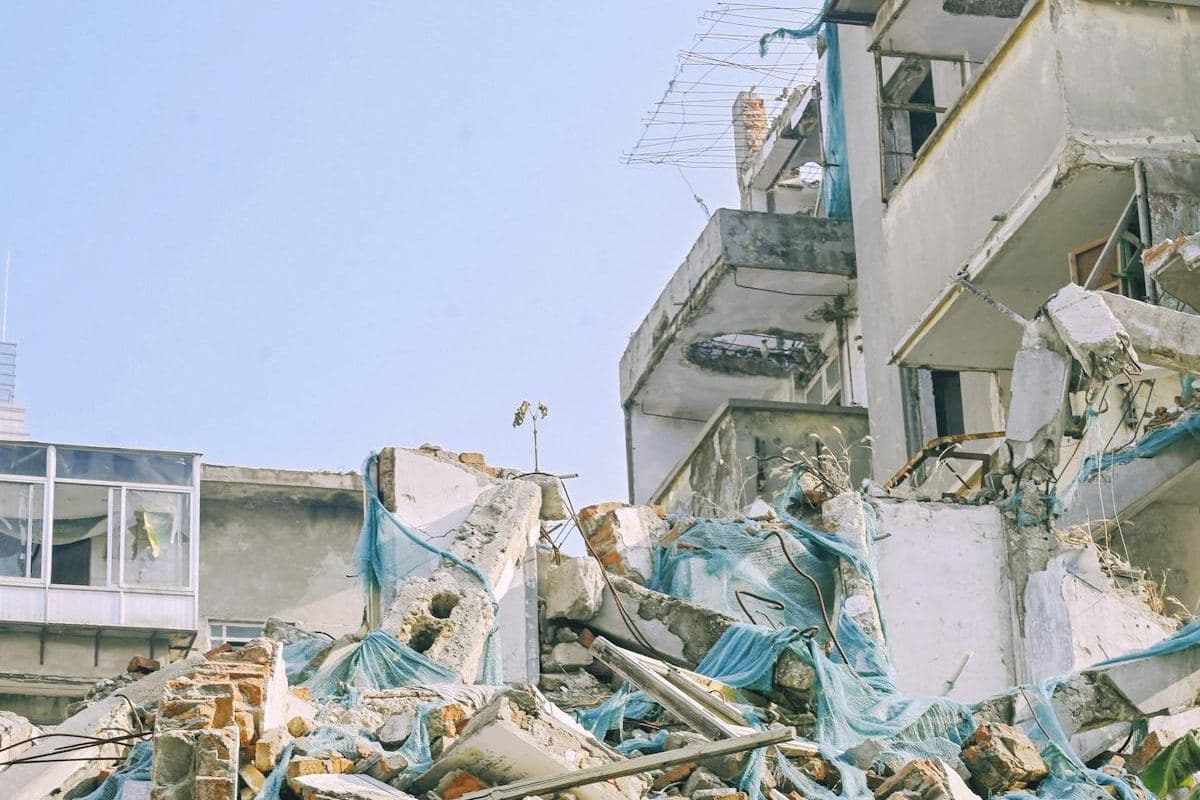
Insights · Knockdown rebuild · Approvals
Knockdown Rebuild CDC or DA: The NSW Approval Order
A rebuild isn't one approval. It's a sequence, and getting the order wrong costs weeks.
People think of a knockdown rebuild as 'get approval, knock it down, build'. In practice there's a string of permissions and notices, some for the old house and some for the new one, and a few that can quietly hold up the whole thing. Here's the order we run them in.
Short answer
Can a knockdown rebuild in NSW be approved with a CDC?
Often, yes. Demolishing the old house and building a new one can both be complying development if the lot isn't heritage-listed or otherwise excluded and the new design meets the Housing Code. A certifier can then approve both, with neighbour notice first. If the design needs variations, or the site has heritage, high flood or bushfire constraints, the rebuild goes to council as a DA.
Written and reviewed by Oliver Alameri
Licensed builder, NSW Contractor Licence 487805C · Founder, Buildana
Fact-checked
Step one: read what the lot allows
Before design, pull the section 10.7 planning certificate. It tells you the zoning, and whether the land is a heritage item, in a conservation area, flood-affected, bushfire-prone or carries other constraints.
That single document decides the path. A heritage item or a lot in most conservation areas can't knock down and rebuild as complying development. High flood hazard or the top bushfire ratings rule it out too. Everything else might qualify, depending on the design.
Step two: demolition, and the paperwork behind it
Demolishing a house is development that needs approval. The Codes SEPP has a Demolition Code that lets a certifier approve it as complying development, and the new home's CDC can include it. On the DA path, demolition is usually part of the same application.
Either way, a certifier in a Sydney council area must notify neighbours in writing, then wait a fortnight before the certificate can issue. There's a second notice a week before work starts. Hoarding, dust and noise controls, and a waste management plan, are part of the conditions.
Before any walls come down, services have to be disconnected or made safe. Electricity, gas, water and telecommunications each run on their own lead times, and demolition can't start until they're done.
- Demolition approved in the CDC or DA
- Neighbour notices before issue and before work
- Services disconnected or made safe first
- Waste plan and site safety measures in place
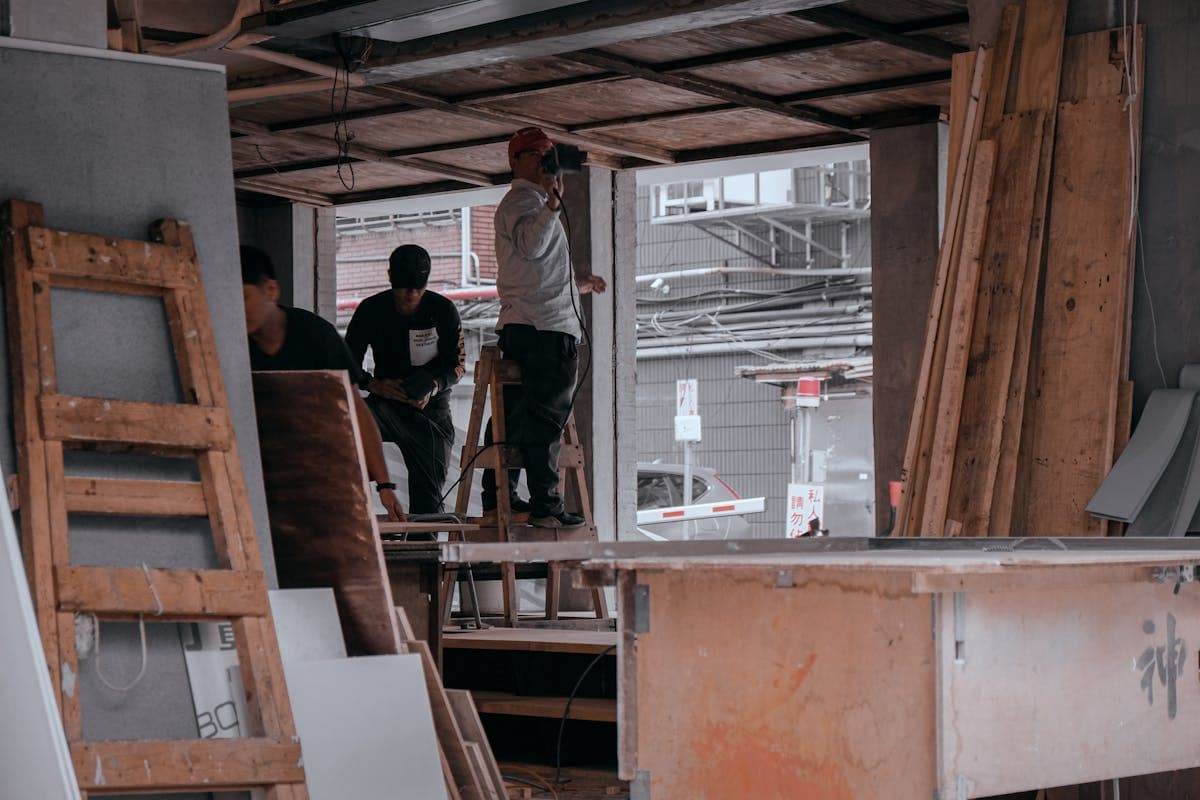
Want your rebuild approvals mapped out?
Send the address. I'll check whether a CDC is possible, what the demolition involves, and give you the order and rough timing of every approval.
0476 300 300Step three: asbestos, properly
Most Sydney houses built before 1990 have some asbestos: eaves, wet-area linings, vinyl floors, the old fence. A survey before demolition finds it and prices it.
Removal is licensed work. Friable asbestos needs a Class A licensed removalist. Bonded asbestos over 10 square metres needs at least a Class B licence. Once it's out, an independent clearance inspection has to sign the area off before the excavator touches the rest.
This is the step I see rushed most often. It's also the one with real health consequences, and real fines, if it's done wrong.
Asbestos is a known cost if it's surveyed. It's a disaster if it's discovered by the excavator.
Step four: the new home
On the code path, the new home is measured against the Housing Code's numbers: how far it sits from each boundary, how tall it is, how much of the lot it covers and how much stays green. The regulations give the certifier a 20-day limit once everything's lodged.
On the DA path, council assesses the new home on merit against the LEP and DCP, neighbours can make submissions, and once approved you need a construction certificate before building.
Trees are often the sleeper issue. Removing significant trees usually needs council permission under its tree rules, even on a CDC job. Check early. A protected tree can shape the footprint of the new house.
Putting it in order
Planning certificate. Survey, soil test and asbestos survey. Design to the code or for a DA. Lodge. While the approval runs, book disconnections and line up the removalist. Once approved and notified: disconnect, remove asbestos, get clearance, demolish, then build.
The families who move fastest are the ones who start the service disconnection applications while the approval is still being assessed. That alone can save a month.
Your rebuild approval checklist
Tick these in order and the start date holds.
- 01
Planning certificate read for heritage, flood and bushfire
- 02
Asbestos survey and soil test done
- 03
Design drawn for the code, or prepared for a DA
- 04
Significant trees checked against council's rules
- 05
Service disconnections applied for during assessment
- 06
Licensed asbestos removal and clearance before demolition
Knockdown rebuild approval questions
Do I need separate approval to demolish my house?
Demolition needs approval, but it can be included in the new home's CDC or DA. A standalone demolition CDC under the Codes SEPP is also possible.
Is demolition possible inside a conservation area?
Rarely as complying development. It needs a DA, often with a heritage impact statement, and councils tightly control demolition of buildings that contribute to a conservation area.
Who removes the asbestos?
A licensed removalist: Class A for friable asbestos, and at least Class B for bonded asbestos over 10 square metres. A clearance inspection follows before demolition continues.
How long do rebuild approvals take?
The code path is quick: once a complete application is in, the regulations set a 20-day limit for a new home here. A DA can take several months plus a construction certificate.
Sources and references
Costs are from the Rawlinsons handbook with the local cost index applied; rules and timeframes are checked against the sources below.
- Environmental Planning and Assessment Act 1979 (NSW)
- State Environmental Planning Policy (Exempt and Complying Development Codes) 2008
- Asbestos, SafeWork NSW
- Building on bush fire prone land, NSW RFS
- Building or renovating a home, NSW Government
- Search heritage databases, NSW Environment and Heritage
- NSW Planning Portal Spatial Viewer (zoning, FSR and hazard maps)
- Environmental Planning and Assessment Regulation 2021 (NSW)
Get the order right. The rebuild follows.
Knockdown rebuild approvals planned in sequence, so demolition day and build day land when they should.