
Insights · Knockdown rebuild · Demolition
House Demolition in Sydney: Process and Cost for a Rebuild
Demolition takes days. Getting ready for it takes weeks. That's where it goes right or wrong.
The excavator is the exciting bit. But by the time it arrives, the house should already be surveyed, disconnected, stripped of anything hazardous and photographed next door. Here's how a proper demolition runs, and what pushes the price up.
Short answer
What does it cost to demolish a house in Sydney, and what's involved?
In Rawlinsons' 2021 tables, knocking down a Sydney brick-and-tile house cost $63.70 per m², including footings and debris removal but not asbestos or tip fees. Before demolition you need approval, services cut off, any asbestos taken out under licence, and ideally dilapidation reports on neighbouring homes. Access, outbuildings, pools, trees and hazardous materials push costs up.
Written and reviewed by Oliver Alameri
Licensed builder, NSW Contractor Licence 487805C · Founder, Buildana
Fact-checked
The weeks before the excavator
Approval first: demolition either rides along with the approval for the new home, or gets one of its own. Then a hazardous materials survey. In houses built before 1990 that means asbestos, and in older homes lead paint too.
Services come next. The electricity network disconnects the supply, the gas network abolishes the service, a licensed plumber caps the sewer and water under Sydney Water's requirements, and telecommunications are removed. Each has its own queue.
And the neighbours. The law requires written notice twice: once while the certifier is assessing, once in the week before work. I also recommend dilapidation reports on adjoining homes: a photographic record of cracks and condition before work begins. It protects everyone if there's a dispute later.
- Approval in place, notices given
- Hazardous materials surveyed
- Electricity, gas, water, sewer and phone disconnected
- Dilapidation reports on neighbouring homes
Soft strip, salvage and asbestos
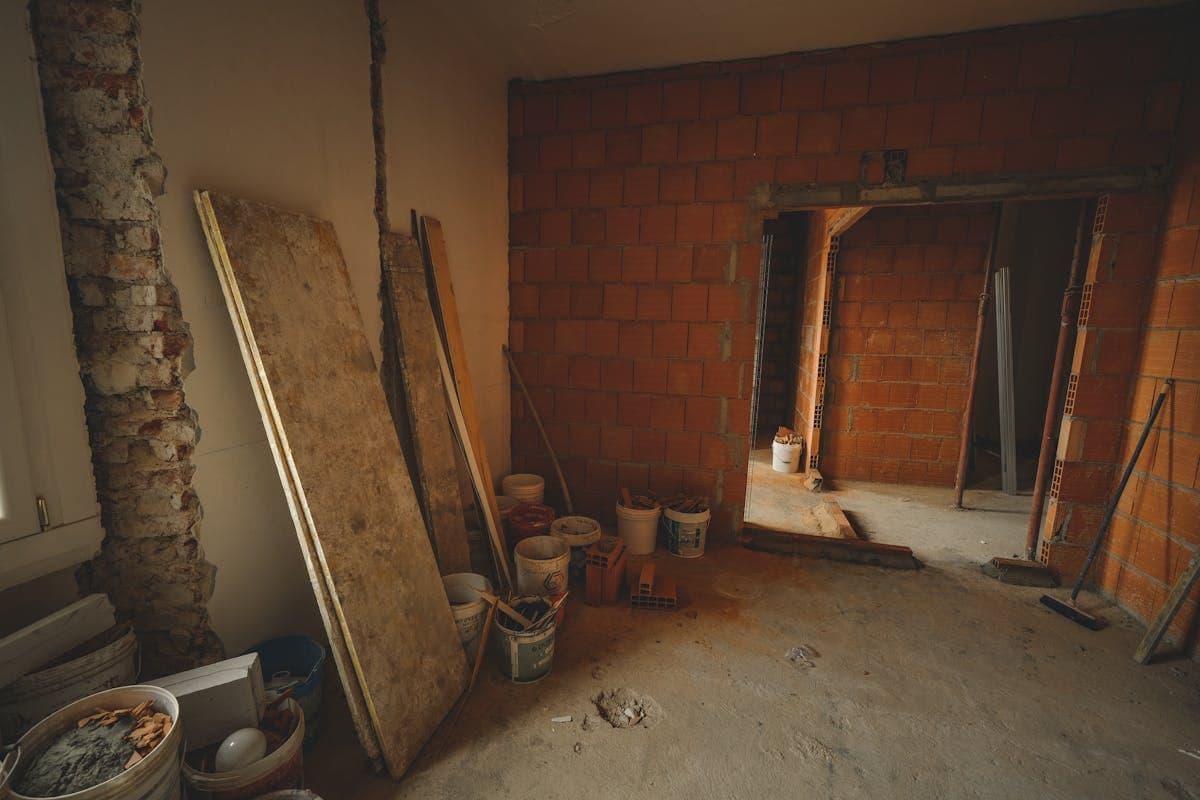
A good demolition starts inside. Fittings, timber, doors and anything worth reusing come out first. It reduces waste to landfill and sometimes offsets a little cost.
Asbestos is removed next, by a licensed removalist, with the area sealed off and a clearance inspection afterwards. Only then does mechanical demolition begin.
If you want to keep anything, like old bricks for a garden wall, sandstone steps or a feature timber, say so before the contract is signed. Careful salvage costs more than smashing.
Planning to demolish?
Send the address with a handful of photos of the house and yard. I'll outline what demolition involves on your site, what will drive the cost, and how long it'll take.
0476 300 300Knock-down and clearing
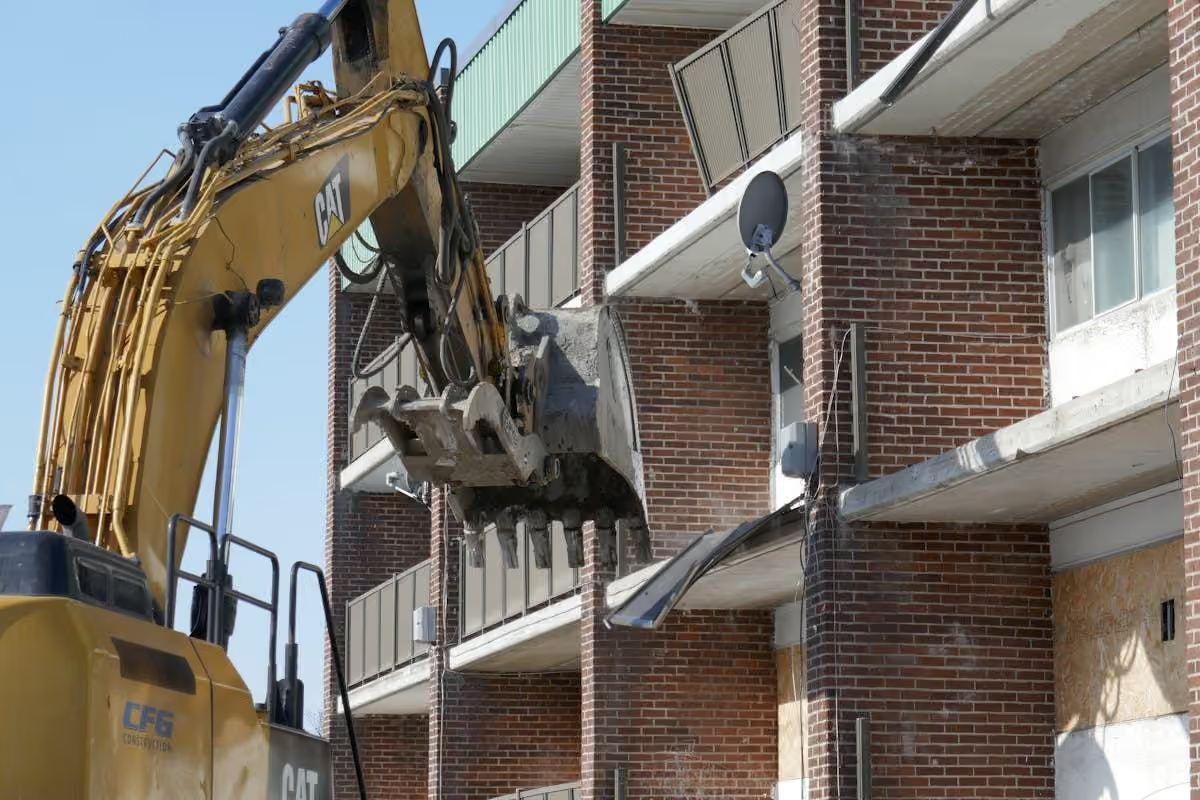
With the site fenced and dust controls running, the excavator takes the structure down in a controlled order. Materials are separated as they come off: brick and concrete, timber, metal, general waste.
Footings are dug out, the site is cleared and levelled, and the capped services are left ready for the new build. For a typical house, the mechanical part often takes only a few days.
Brick and concrete can usually be crushed and recycled, which is cheaper than sending mixed waste to landfill. Rawlinsons' 2021 figures show why separation matters in Sydney: mixed demolition material cost $360 to $370 a tonne to tip, while recyclable material was listed from $22 a tonne.
Sorting the waste as it comes down is the cheapest thing a demolition crew can do for your budget.
What pushes demolition cost up
Asbestos, first and foremost. Then access: a narrow side passage, a steep driveway, or a battle-axe lot means smaller machines and more trips.
Everything that isn't the house: a pool to remove or fill, a detached garage, a granny flat, sheds, concrete driveways and paths, retaining walls, and large trees with their stumps.
Neighbours right on the boundary, which calls for more careful, slower work and sometimes propping. And contaminated soil, which is rare but expensive when it happens.
Handing over a clean site
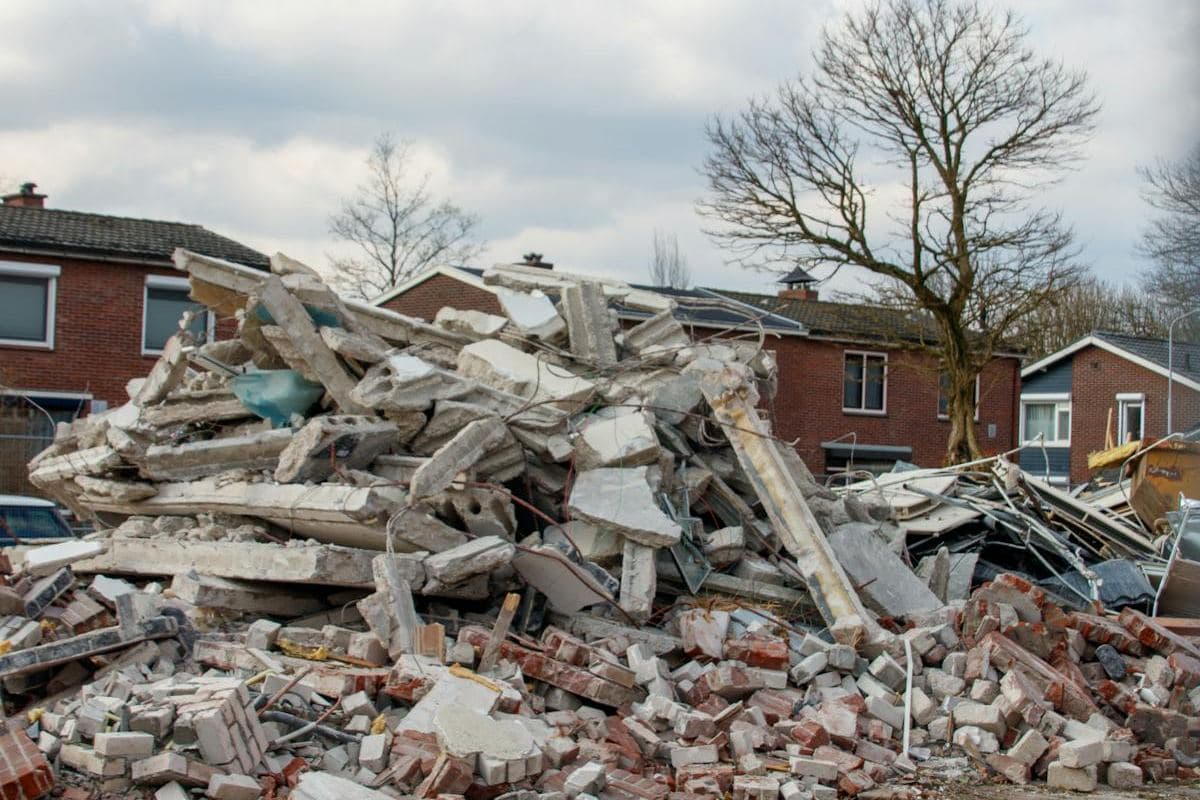
At the end, the site should be clear, level, with services capped and marked, and waste dockets showing where everything went. Asbestos clearance certificates go on your file.
That's the handover to the builder. If the demolition and the build are run by the same team, the gap between the two is days, not weeks.
Demolition readiness checklist
All of these before the excavator is booked.
- 01
Demolition covered by the CDC or DA
- 02
Asbestos and hazardous materials survey done
- 03
All services disconnected or capped
- 04
Neighbour notices sent and dilapidation reports done
- 05
Salvage items identified and agreed
- 06
Waste separation and recycling plan in place
House demolition questions
What's the usual demolition timeframe?
The mechanical demolition of a typical house often takes a few days. Preparation, including approvals, disconnections and asbestos removal, takes several weeks beforehand.
Must the neighbours be told before demolition?
Yes. On a CDC in a Sydney council area, the certifier notifies them in writing before issuing, and you owe them a second letter at least seven days before the machines arrive. A DA has its own notification process.
What is a dilapidation report?
A photographic and written record of the condition of neighbouring buildings before work begins. It helps resolve any later claims of damage from demolition or construction.
Can demolition materials be recycled?
Much of it can. Brick, concrete and metal are commonly recycled when separated on site, and separation also reduces tip fees compared with mixed waste.
Sources and references
Costs are from the Rawlinsons handbook with the local cost index applied; rules and timeframes are checked against the sources below.
- Rawlinsons Australian Construction Handbook, Rawlhouse Publishing
- Environmental Planning and Assessment Act 1979 (NSW)
- State Environmental Planning Policy (Exempt and Complying Development Codes) 2008
- State Environmental Planning Policy (Housing) 2021
- Asbestos, SafeWork NSW
- Plumbing, building and developing, Sydney Water
- Building or renovating a home, NSW Government
- Environmental Planning and Assessment Regulation 2021 (NSW)
A clean start for the new house.
Demolition planned as part of your rebuild, not as an afterthought.