The Knockdown Rebuild Process in NSW — Every Step Explained
A knockdown rebuild follows a clear sequence that takes 10–14 months from first meeting to moving in. Rushing steps causes problems — skipping the geotechnical report, lodging approvals with incomplete documentation, or starting demolition before services are disconnected all lead to delays and cost blowouts. Buildana (Lic. 487805C) manages the entire KDR process under one contract. Here is exactly what happens at each stage.
Step 1 — Site Assessment and Feasibility (Week 1–2)
Before anything else, we assess whether your block suits a KDR and what it will cost. This is a free, no-obligation assessment that covers:
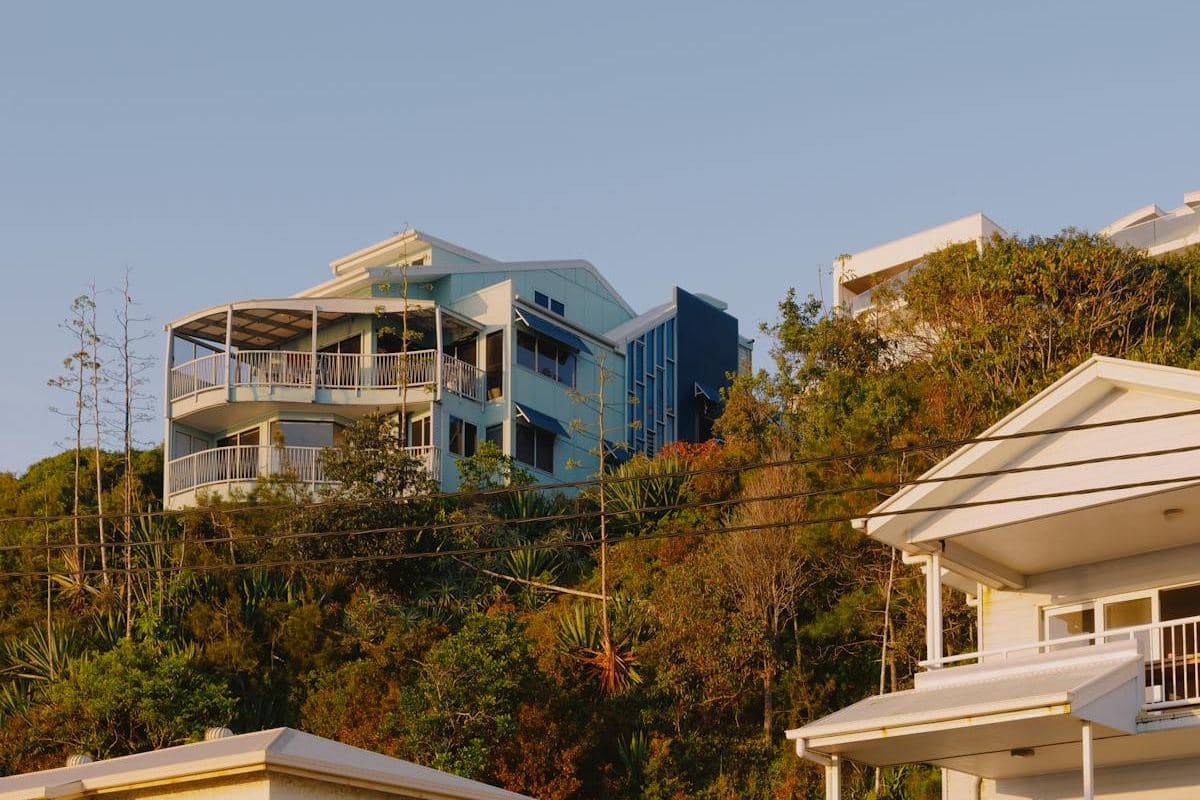
• Zoning under the council's LEP — confirming your block is zoned for residential development (R1, R2, R3) • Setbacks under the DCP — front, side, and rear setbacks that determine the building envelope • Floor space ratio (FSR) — the maximum floor area permitted relative to your lot size • Height limits — maximum building height in metres and storeys • Soil classification — preliminary assessment (Class A through P) to estimate foundation type • Slope analysis — fall across the block and impact on slab design • Service locations — sewer, stormwater, electrical, gas, and telecoms • Flood mapping — whether the block is within a flood planning area • Asbestos risk — age and construction type of the existing house
This assessment answers the fundamental question: what can I build on this block, and approximately what will it cost?
For council-specific rules and requirements, see our guide to CDC vs DA approval for knockdown rebuilds.
Step 2 — Custom Design (Week 3–8)
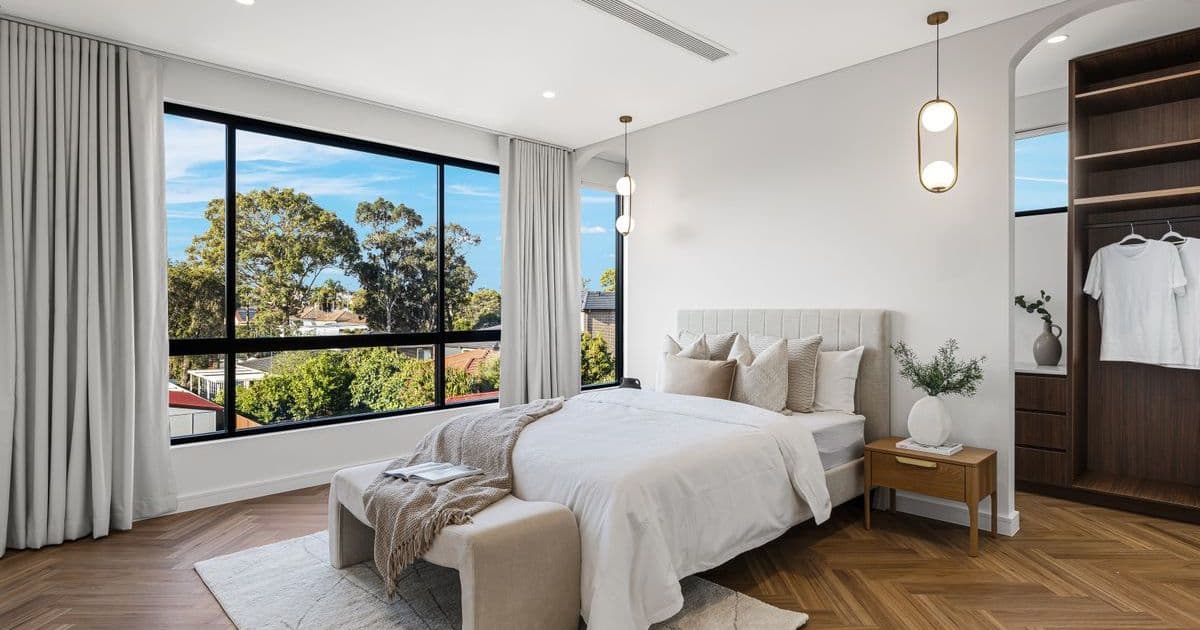
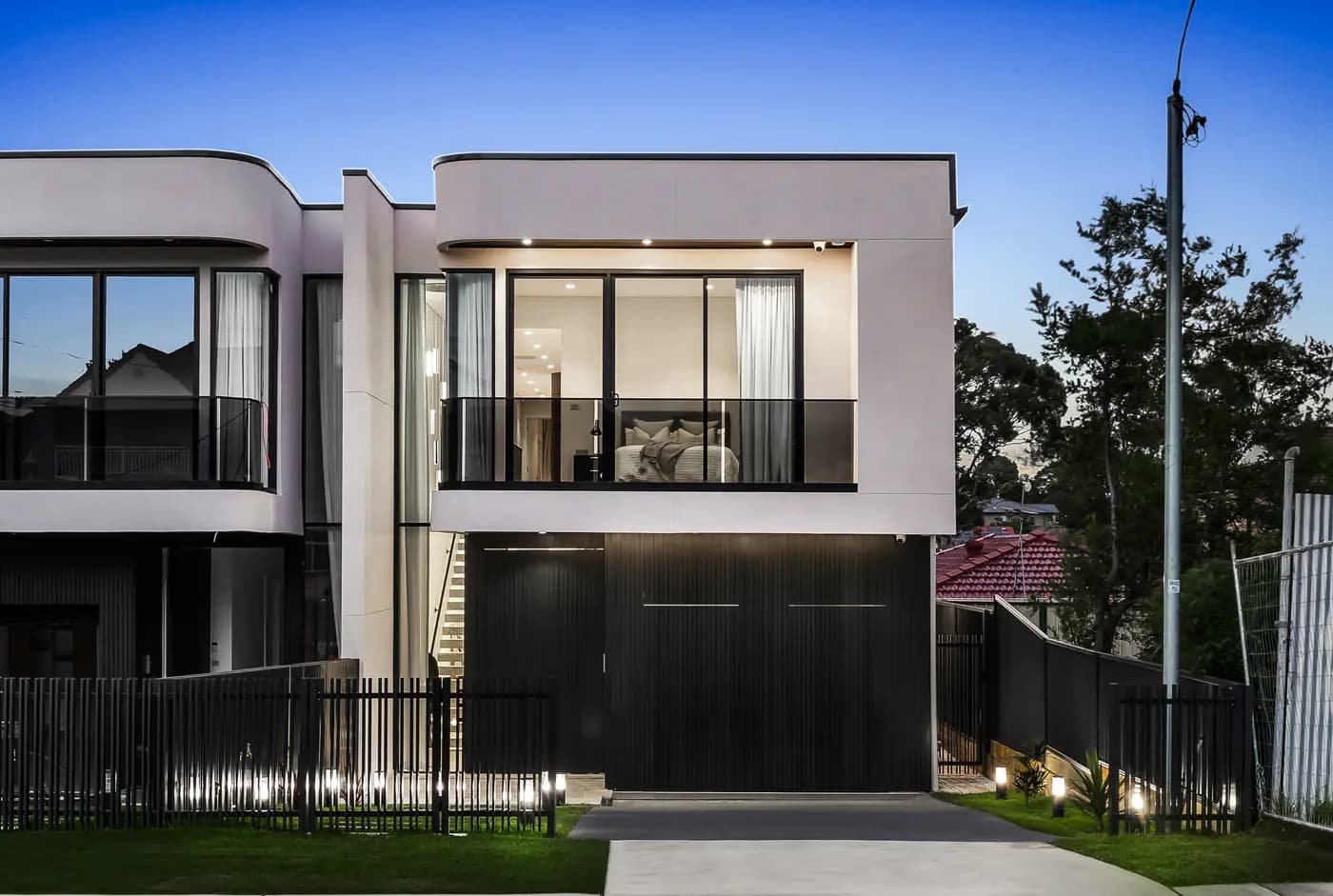
Once feasibility is confirmed, we design your new home. This is not a project home selection — it is a custom floor plan designed specifically for your block.
Design considerations: • Your block's orientation (north-facing living for natural light and warmth) • Setback envelope — exactly where the building can sit • Neighbour privacy — window placement, screening walls, planting • Your family's needs — number of bedrooms, living configuration, home office, multigenerational layout • Indoor-outdoor flow — alfresco areas connected to kitchen and living • Car access — garage location, driveway grade, turning areas
You receive: • 2–3 floor plan options with different configurations • 3D renders showing the home on your block • Full elevations from all sides • Preliminary materials and finishes palette
Average design phase: 4–6 weeks with 2–3 client review sessions. Changes during the design phase cost nothing — this is the time to refine the plan. Changes during construction are expensive.
Considering a knockdown rebuild?
Send us your block — we'll come back with a real cost estimate (demo + new build) within 48 hours.
Step 3 — Documentation and Approval (Week 8–20)
Once the design is locked in, we prepare the full documentation package for approval.
Documents prepared: • Working drawings — construction-level detail for every element • BASIX certificate — mandatory energy and water efficiency assessment for every new dwelling in NSW • Structural engineering — foundation, framing, connections, bracing, roofing • Geotechnical report — laboratory testing of soil from your block to determine foundation type • Stormwater management plan — how rainwater is collected, detained, and discharged • Shadow diagrams (if DA) — impact of the new building on neighbouring properties • Landscape plan — required by most councils for DA applications
Approval pathway: • CDC (Complying Development Certificate): submitted to a private certifier. 10–15 business days. Cost: $3,000–$6,000. No neighbour notification required. • DA (Development Application): submitted to council. 40–120+ days depending on council. Cost: $5,000–$15,000. Neighbour notification and assessment period applies.
Buildana manages the full approval process — you do not deal with certifiers or council directly.
Step 4 — Demolition (Week 20–24)
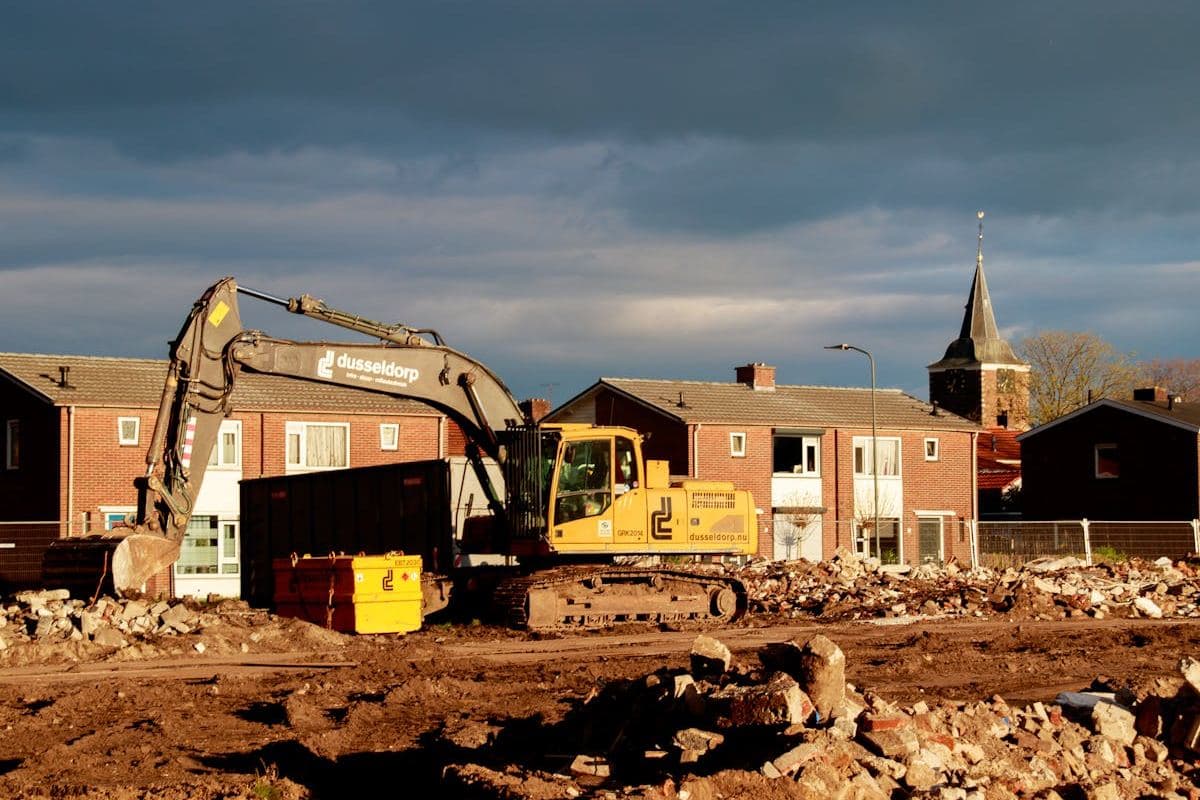
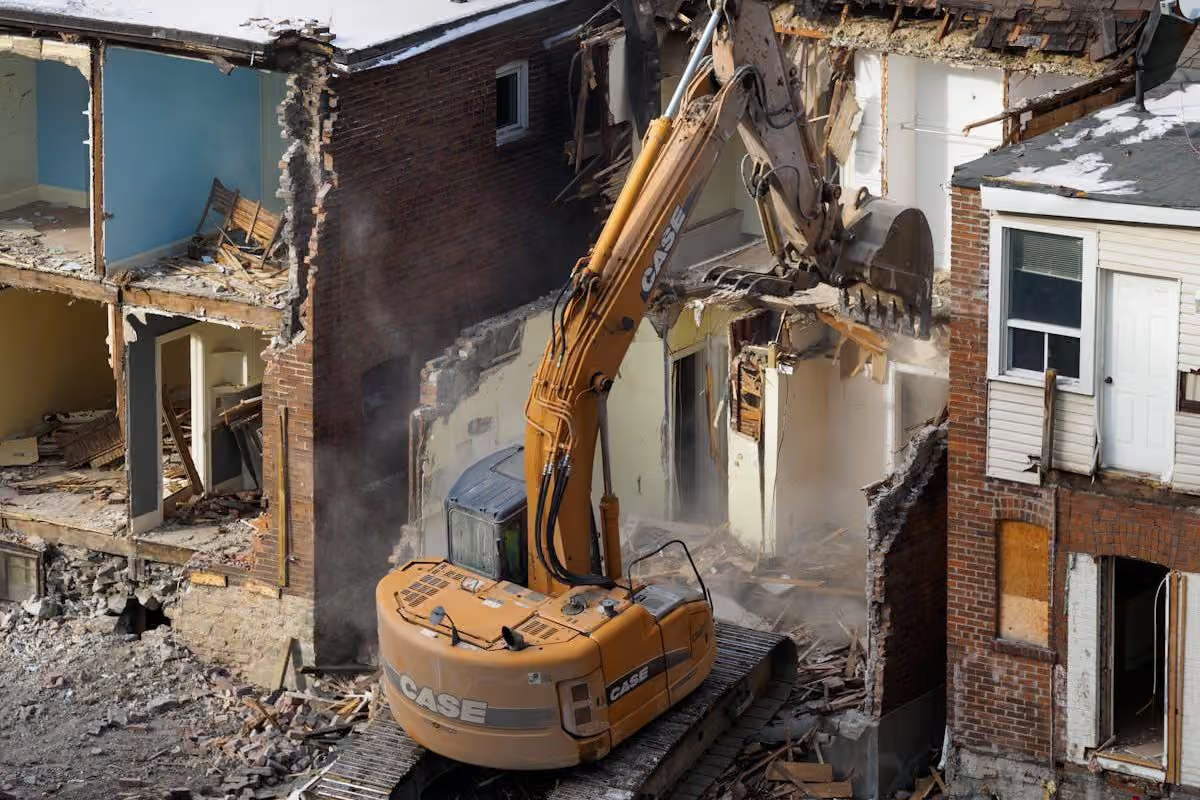
Once approved, the existing house comes down. This is a licensed activity managed by Buildana under the same contract.
Demolition sequence: 1. Asbestos assessment and remediation plan (if asbestos confirmed) 2. Service disconnection — electricity, gas, water, sewer, telecoms. Each utility has its own disconnection process and timeline. 3. Soft strip — removal of internal fixtures, fittings, and recoverable materials 4. Asbestos removal (if present) by licensed removalists with air monitoring and clearance certificate 5. Structural demolition — mechanical demolition of the building 6. Foundation removal — existing footings, slabs, and piers removed 7. Site clearance — debris removal to licensed waste facilities 8. Site compaction — preparing the cleared site for new construction
Timeline: 2–4 weeks depending on house size and asbestos extent.
Demolition costs (Rawlinson 2026 adjusted): approximately $80/sqm for brick and tile, $58/sqm for fibro. A typical 150 sqm demolition runs $10,000–$15,000 excluding asbestos.
Fixed-price estimate
Get a real number for your block
Two minutes now saves the guesswork. Oliver or one of the team calls back with a realistic range for your suburb and block, then books a free site walk if you want a fixed price.
- Priced off your block, not a brochure — soil, slope and council read first
- NSW licensed builder 487805C. HBCF insured. Fixed-price HIA contract.
- Reply within 4 working hours. No sales pressure, ever.
Step 5 — Construction and Handover (Week 24–52)
Construction follows standard residential building milestones:
1. Excavation and foundation/slab (2–3 weeks) — site leveling, formwork, steel reinforcement, concrete pour, curing 2. Frame (3–4 weeks) — wall framing, roof trusses, windows and external doors installed 3. Lock-up (2–3 weeks) — external cladding (bricks, render), roofing complete, building is weather-sealed 4. Rough-in (2–3 weeks) — plumbing, electrical, gas, and data rough-in behind walls before lining 5. Internal fit-out (6–8 weeks) — plasterboard, cornices, kitchen, bathrooms, laundry, wardrobes, tiling, painting 6. Finishing (3–4 weeks) — flooring, tapware, electrical fittings, final paint, fixtures 7. External works (2–3 weeks) — driveway, paths, landscaping, fencing, letterbox 8. Handover (1 week) — final inspection, Occupation Certificate, HBCF certificate, warranty pack, keys
Typical construction duration: 24–36 weeks for a 200–300 sqm home.
Buildana provides milestone updates and weekly progress reports from your dedicated project manager throughout construction.
For the complete KDR guide including costs, block selection, and builder selection, see our complete guide to knockdown rebuilds in Western Sydney. Contact Buildana for a free site assessment.
2026 Update — Current NSW KDR Approval Timelines and Process Changes
The NSW knockdown-rebuild process has tightened in three specific ways through 2025–26 that you need to plan around.
Demolition notification (still 7 days, but enforced). Under the Protection of the Environment Operations Act, you must notify council and adjoining owners 7 working days before demolition. In 2025, several Sydney councils — including Canterbury-Bankstown and Inner West — started auditing this actively and issuing stop-work orders for non-compliance. Build the 7 days into your demolition contractor's mobilisation date, not after.
Asbestos and lead clearance certificates are now standard. Any pre-1990 house in Sydney will need a licensed asbestos assessor report before demolition. Budget $800–$1,400 for the assessment and $4,500–$12,000 for licensed removal of any AC-cladding, eaves, and bonded asbestos in the slab. Lead paint clearance adds $400–$1,200.
CDC vs DA decision (post-July-2024). Single-dwelling KDRs that comply with the State Environmental Planning Policy (Exempt and Complying Development Codes) 2008 can still go CDC — typical approval in 7–21 days through a private certifier. But the prescriptive controls (setbacks, FSR, height, landscaped area, eaves) must be met to the centimetre. Approximately 60% of our 2025 KDR jobs went CDC, 40% needed DA. DA timeframes through Sydney metro councils currently run 75–140 days depending on the council and complexity.
Realistic timeline May 2026: Design and documentation 4–6 weeks, CDC 2–4 weeks (or DA 11–20 weeks), demolition 2–3 weeks, construction 9–12 months for single-storey 250sqm, 11–14 months for two-storey 350sqm.
Buildana manages the entire KDR process. Call 0476 300 300 or see /insights/knockdown-rebuild-cost-sydney for the cost side.