
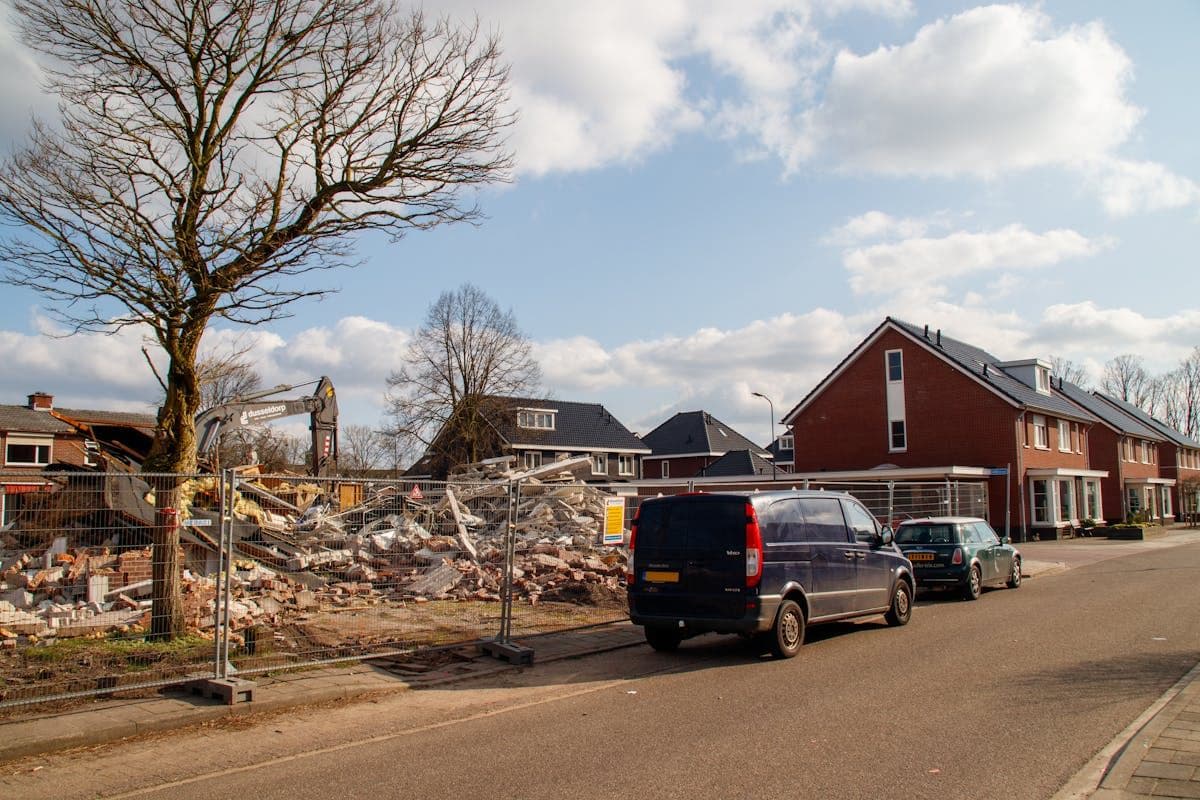
Insights · Knockdown rebuild · Renovation
Knockdown Rebuild vs Renovation: How to Decide
Renovating keeps the house you have. Rebuilding gets you the house you want. The price gap is smaller than most people think.
Owners often come to me set on one or the other. Then we open up the subfloor, look at the roof, price the wish list, and the answer changes. Here's how I work through it, with real Rawlinsons rates so you can see why.
Short answer
Is it cheaper to knock down and rebuild or to renovate?
A light renovation is almost always cheaper. But once the plan involves extending, adding a second storey, and replacing kitchens, bathrooms, wiring and roofing, the cost per square metre can approach or exceed a new house. Rawlinsons' 2021 Sydney rates put a full first-floor addition at $2,640 to $2,850 per m², above a medium-standard new brick veneer house at $1,965 to $2,120.
Written and reviewed by Oliver Alameri
Licensed builder, NSW Contractor Licence 487805C · Founder, Buildana
Fact-checked
The rate comparison that surprises people
Rawlinsons prices additions separately from new houses. The numbers are revealing. Its Sydney figure for a 75 to 125 square metre brick veneer ground floor addition was $1,835 to $1,980 per square metre in 2021, before any bathroom or kitchen.
Going up is dearer still. A first-floor addition over the whole house, 100 to 150 square metres, came in at $2,640 to $2,850 per square metre, again without wet areas. Now compare a whole new medium-standard brick veneer house: $1,965 to $2,120. Building upstairs on an old house is dearer per square metre than building a new one from scratch.
Why? Working around an existing structure is slow. Propping. Strengthening. Matching levels. Protecting what stays and fixing whatever you uncover.
Going up on an old house is often the most expensive square metre you can build.
Condition decides more than cost
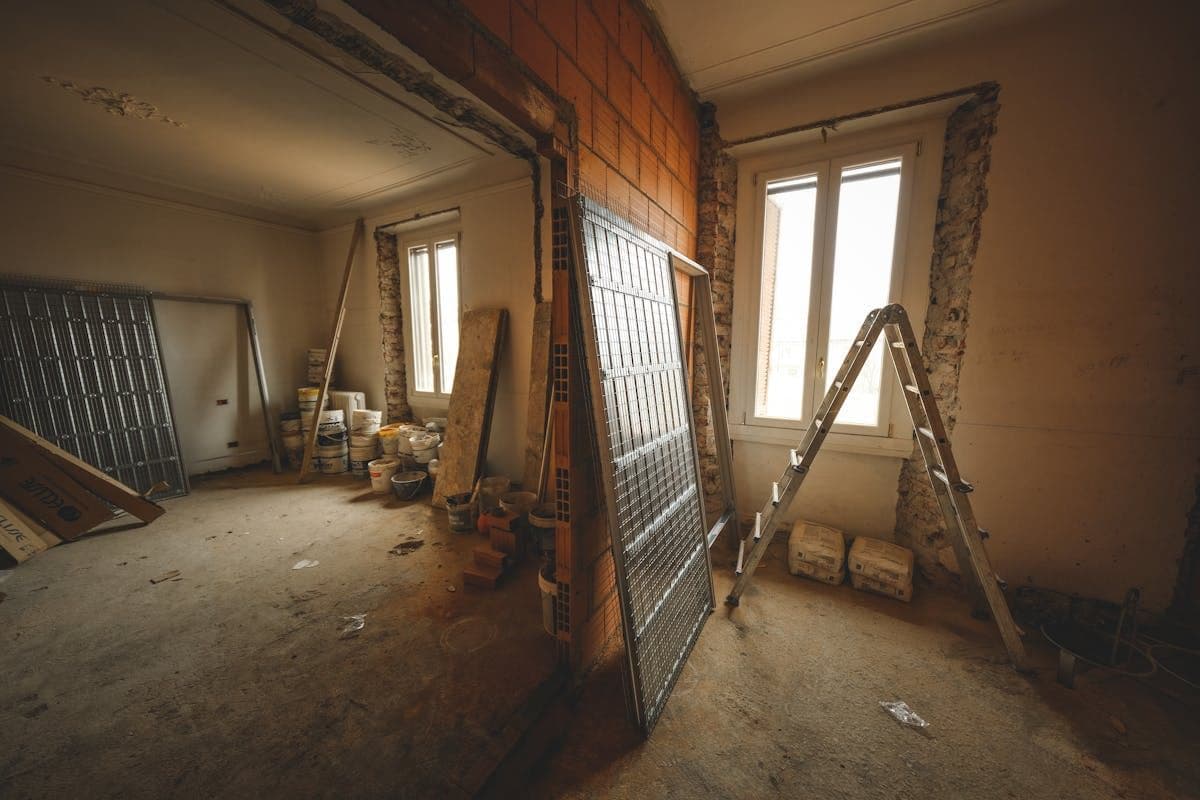
Before anyone prices a renovation, look at what you'd be keeping. The questions that matter: are the footings and subfloor sound, or is there movement, rot or termite damage? Is the roof near the end of its life? Is there asbestos through the linings and eaves? Is the wiring original? Does the plumbing need replacing anyway?
Every 'yes' adds cost to a renovation that a rebuild absorbs automatically. Three or four yeses? The renovation is quietly turning into a rebuild. Just a dearer, more compromised one.
A building inspection and, where needed, a structural engineer's look at the footings is the best few hundred dollars you'll spend on this decision.
- Footings and subfloor: movement, rot, termites
- Roof structure and covering
- Asbestos in linings, eaves and floors
- Original wiring and plumbing
Stuck between renovating and rebuilding?
Give me the address and your wish list. I'll look at the house, price both options honestly, and tell you which one I'd pick in your shoes.
0476 300 300Where renovating clearly wins
When the house is structurally sound and the layout mostly works. A new kitchen, a bathroom or two, and a rear living extension can change how a solid post-war brick home lives for a fraction of rebuild cost.
When the house has character worth keeping. Or when it's inside a conservation area and council would refuse demolition anyway.
And when you can't move out. Many renovations can be staged so you live in part of the house. A rebuild means renting for a year or more. That's real money.
Where rebuilding clearly wins
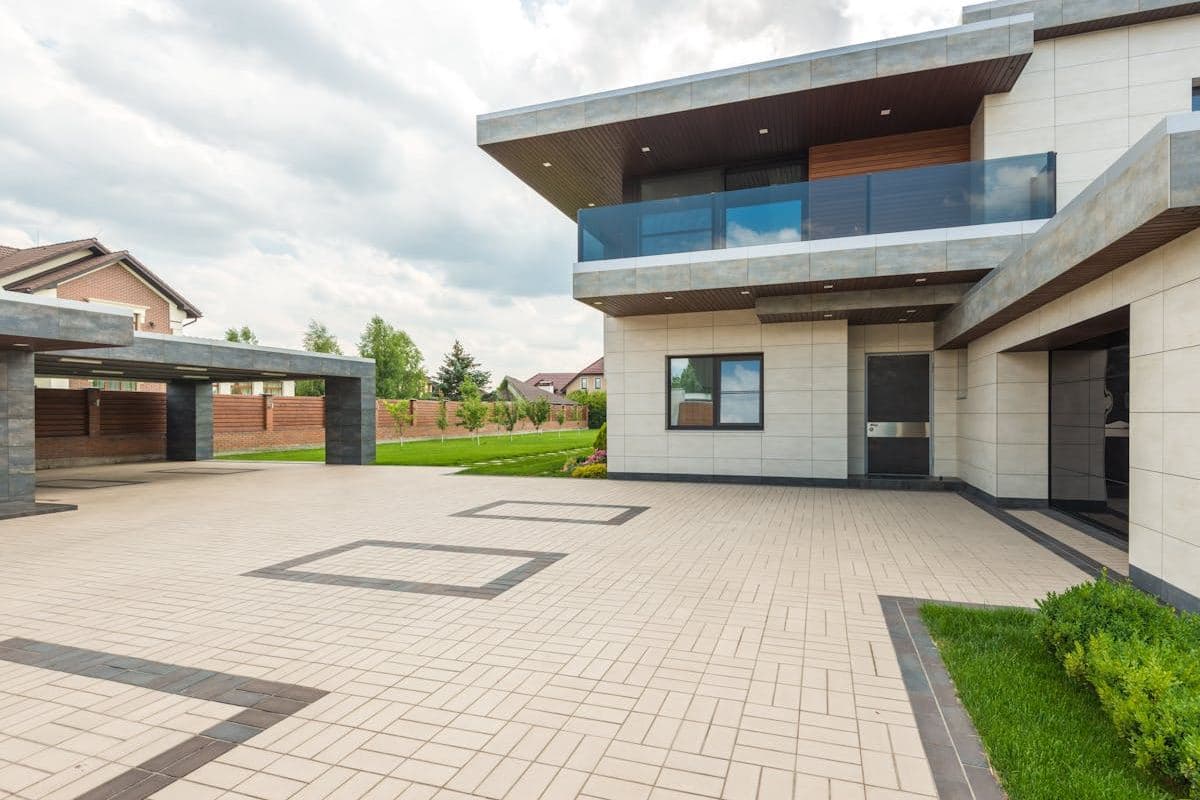
When the brief is essentially a new house: more bedrooms, a second storey, open living, new services, better energy performance. At that point you're paying renovation rates for new-build scope.
When the house is poorly oriented or badly placed on the lot and no renovation can fix that. A rebuild can put living areas to the north and the garage where it should be.
And when you want the certainty of new: a single warranty over the whole building, current energy standards, and fewer surprises for decades.
A simple test
Price the renovation honestly, including what the condition report finds. Price a rebuild of the house you actually want, including demolition, rent while you're out, and site costs. Then compare the two against what each finished home would be worth.
If the renovation lands at more than about two-thirds of the rebuild cost but gives you a compromised result, rebuild. If it's well under half and keeps a sound, well-planned house, renovate. In between, it comes down to how much you value what you'd be keeping.
Before you choose rebuild or renovate
Get these facts on the table first.
- 01
Building inspection covering footings, roof and services
- 02
Asbestos survey if the house is pre-1990
- 03
A written brief of everything you want the house to do
- 04
Renovation priced including uncovered defects
- 05
Rebuild priced including demolition, rent and site costs
- 06
Heritage or planning limits checked on the certificate
Rebuild or renovate questions
Is a second storey addition cheaper than a knockdown rebuild?
Not always. Per square metre, going up over the whole house is dearer than a new house, and the old ground floor may still need work. It can still win overall where the existing house is in good shape.
Can I live in the house while it's renovated?
Often, if the work is staged. Major structural work, full rewiring or a second storey usually means moving out for at least part of the job.
Does a rebuild add more value than a renovation?
A new home generally commands a premium over a renovated old one, but it also costs more. Compare the finished value of each option against its full cost.
What if council lists my street as a conservation area?
Demolition may be refused or tightly controlled, which often makes renovating and extending behind the original front the practical choice.
Sources and references
Costs are from the Rawlinsons handbook with the local cost index applied; rules and timeframes are checked against the sources below.
Pick the option that fits the house you've got.
An honest look at your house, with both options priced, before you commit to either.