Mixed-Use Development in Western Sydney — Commercial Plus Residential
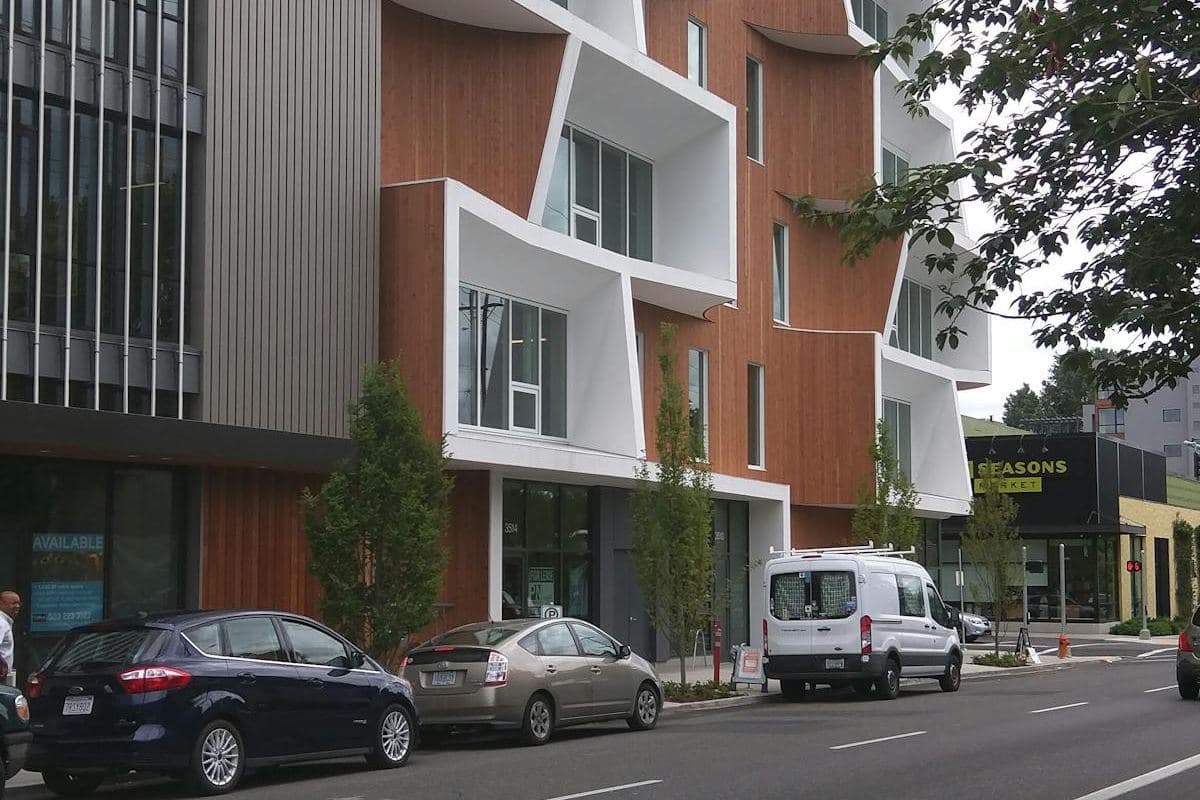
Mixed-use development combines commercial space (retail, office, or food service) on the ground floor with residential apartments or units above. In Western Sydney's growing town centres, mixed-use development offers developers dual income streams and councils love them for activating street frontages.
Buildana (Lic. 487805C) builds mixed-use projects across Fairfield, Liverpool, and surrounding areas. Here is what you need to know about zoning, costs, approvals, and returns.
Where Mixed-Use Development Is Permitted
Mixed-use development (called 'shop top housing' in NSW planning terminology) is permitted in specific zones:
• B2 Local Centre: The primary zone for mixed-use. Found along main streets in Fairfield, Cabramatta, Canley Vale, Liverpool, Bankstown, Auburn, and Merrylands. • B4 Mixed Use: Less common in Western Sydney but present in some strategic centres. • B1 Neighbourhood Centre: Small local shopping strips — may permit limited mixed-use. • R3 Medium Density Residential: Some councils permit shop-top housing in R3, particularly near town centres.
Mixed-use is NOT permitted in R2 Low Density Residential zones.
Key planning controls for mixed-use: • FSR: typically 1.5:1 to 2.5:1 in B2 zones (significantly higher than residential zones) • Height: typically 11–15m (3–4 storeys) in local centres • Active street frontage: ground floor must address the street with commercial/retail uses • Minimum commercial floor area: typically 50 sqm per tenancy • Parking: commercial parking requirements vary by use type — retail needs more parking per sqm than office
Running feasibility on a site?
We do builder-led feasibility — actual build costs, real council timelines, no inflated optimism. Free first review.
Construction Costs — Mixed-Use 2026
Mixed-use construction costs are higher than residential-only because of the structural requirements (commercial loads on ground floor), fire separation between uses, and acoustic insulation between commercial and residential.
Based on Rawlinson 2026-adjusted rates:
• Commercial ground floor fit-out (shell and services): $2,500–$3,500/sqm • Residential upper levels (medium spec, 3-storey max, no lift): $2,520–$2,715/sqm • Structural upgrade for commercial ground floor (increased slab capacity, larger columns): add 10–15% to ground floor structure • Fire separation between commercial and residential: add $15,000–$30,000 • Acoustic insulation (floors between commercial and residential): add $10,000–$25,000
Example — 3-storey mixed-use, 200 sqm per floor: • Ground floor commercial (2 × 100 sqm tenancies): $500,000–$700,000 • Level 1–2 residential (4 × 100 sqm apartments): $1,008,000–$1,086,000 • Fire and acoustic separation: $25,000–$55,000 • External works, parking, landscaping: $80,000–$150,000 • Total construction: $1,613,000–$1,991,000
Add land, professional fees, council contributions, and approval costs for total project cost.
Income Potential and Investment Returns
Mixed-use developments generate two income streams:
Commercial ground floor: • Retail rent: $350–$600/sqm/year in Western Sydney town centres • 200 sqm commercial: $70,000–$120,000/year gross • Longer lease terms (3–5 years with options) provide income stability • Triple net leases transfer outgoings (rates, insurance, maintenance) to the tenant
Residential upper floors: • 2-bed apartment rent: $450–$550/week in established Western Sydney centres • 4 apartments at $500/week average: $104,000/year gross
Combined annual gross income: $174,000–$224,000
Gross yield on $2,500,000 total development cost: 7.0–9.0%
Mixed-use yields are higher than pure residential because commercial rents per sqm exceed residential rents, and the retail vacancy rate in Western Sydney town centres (particularly food-oriented tenancies) is low.
Approval Process and Challenges
Mixed-use developments require DA (no CDC pathway). The process is more complex than residential-only:
• Pre-DA design review: Many councils require formal Design Review Panel assessment for mixed-use buildings • Traffic and parking assessment: Must demonstrate adequate parking for both commercial and residential uses • BCA (Building Code) compliance: Mixed-use buildings have complex fire engineering requirements — commercial and residential are different building classifications that must be appropriately separated • Acoustic assessment: Demonstrating that commercial noise (particularly food service) does not impact residential amenity above • Waste management: Separate waste systems for commercial and residential — both need compliant bin storage areas
DA timeline: 90–180 days for mixed-use (longer than standard residential DA) Professional fees: $60,000–$120,000 (architect, structural engineer, fire engineer, acoustic engineer, traffic engineer, town planner)
Buildana manages the full DA process for mixed-use developments, coordinating all consultants and council interactions. For more on our commercial capabilities, see /commercial/mixed-use. Contact us at /contact for a feasibility assessment.