
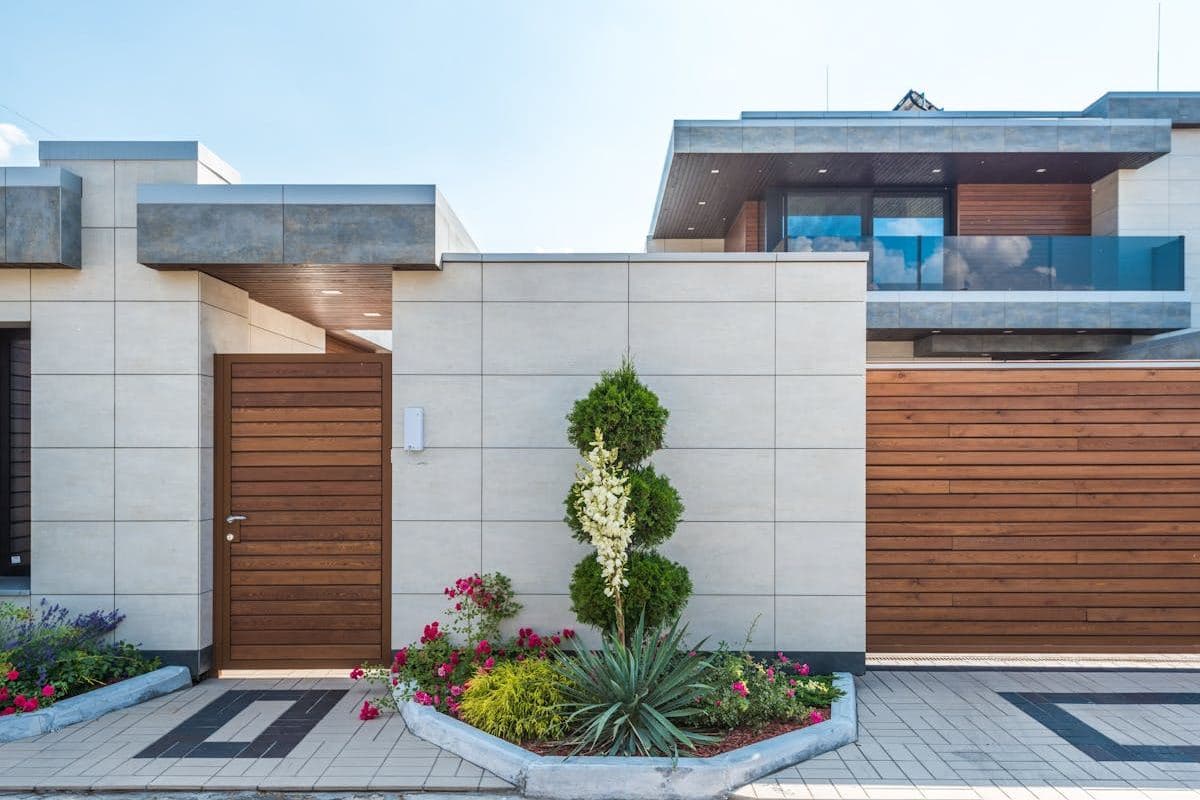
Wakeley 2176 · Home of Fairfield Council
Builders in Wakeley: Draining a Flat Block Properly
A flat block is easy to build on. Until it rains.
Wakeley is about as flat as Fairfield gets, which saves you retaining walls and cut-and-fill. It also means water doesn't naturally run anywhere. On a new home or a big extension, I solve where the stormwater goes before almost anything else.
Short answer
How do you drain a flat block in Wakeley properly?
Set the new slab high enough for gravity to carry water away, fall the paving from the house, and pipe roof and surface water out to the kerb or an easement. Where the backyard sits lower than the kerb, a pump-out system or on-site detention may be needed. Council's own office is on Avoca Road in Wakeley. New homes cost about $2,090 to $2,520 per m².
Written and reviewed by Oliver Alameri
Licensed builder, NSW Contractor Licence 487805C · Founder, Buildana
Fact-checked
Gravity is free. Pumps aren't.
Roof water and surface runoff from a new house normally drain by gravity to the kerb out front. That works when the back of the block is higher than the street. On flat land it often isn't, or only just.
So we check levels early. A detail survey tells us the height of the kerb and the lowest point of the lot. If there's enough fall, pipes go straight to the street. If there isn't, the options get more involved: an easement through a downhill neighbour's land, a charged system that uses pressure to lift water to the kerb, or as a last resort, a pump-out pit.
Pumps work, but they need power, maintenance and a backup plan when they fail in a storm. I'd much rather design a gravity solution from the start.
Every flat-block drainage problem is cheaper on paper than in a flooded garage.

Floor height, pavements and the slab edge
Building rules want a clear gap between the finished floor and the surrounding ground, so water can't sit against the slab edge or run under the doors. On a flat site that gap has to be designed, not assumed.
Paths and pavements around the house need to fall away from the walls. Garage floors need a grated drain across the door. Alfresco slabs need to sit a step lower or fall outward. These are small details that decide whether the house stays dry for fifty years.
Reactive clay makes it matter even more. Water pooling beside a slab on M to H class soil is exactly what makes clay swell and shrink, which is how cracks start.
- Detail survey with kerb and ground levels before design
- Floor level set with proper clearance above finished ground
- Paving laid to fall away from the house on every side
- Grated drains at garage doors and low thresholds
- Downpipes connected to a system that can actually reach the street
Is your block too flat to drain?
Send me your Wakeley address. I'll check the kerb and ground levels, look for easements and tell you how the stormwater can work before any design money is spent.
0476 300 300Council is literally down the road
Fairfield City Council's main office is at 86 Avoca Road in Wakeley. For a DA, that's handy. Council offers pre-lodgement advice, and on a tricky site a meeting with the planners and engineers before you lodge can sort out drainage or design questions early.
Depending on the project, council's stormwater requirements may include on-site detention, a tank that holds water back during heavy rain and releases it slowly. It takes up space, usually under the driveway or in the yard, so it needs to be in the design from the first sketch.
Complying development can skip the DA altogether when the design fits the code. Drainage still has to work, though. The certifier will want the stormwater plan.
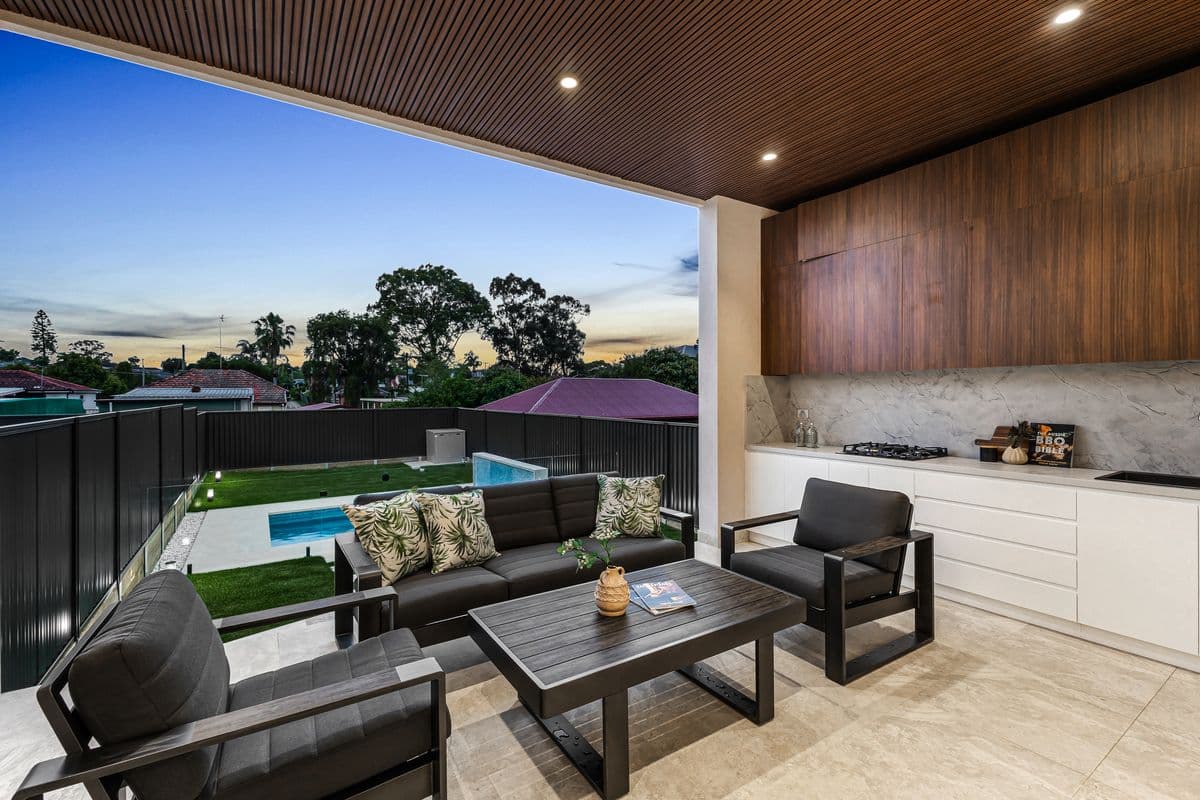
Building in Wakeley, otherwise
Most homes here are 1960s to 80s brick on blocks of 450 to 700 square metres. Knockdown rebuilds are common, and flat land keeps site costs lower than hilly suburbs, once the drainage is right.
Expect asbestos in the eaves or wet areas of the older homes, and a geotech report for the slab. At mid-spec, a new home costs around $2,090 to $2,520 per square metre on Fairfield-adjusted Rawlinsons figures.
Drainage checks for a flat Wakeley block
Before design starts, we want answers to these six.
- 01
Kerb level at the front and the lowest point of the lot, from a detail survey
- 02
Any existing drainage easement over or near the property
- 03
Whether council's stormwater policy will require on-site detention
- 04
The finished floor level needed to keep water away from the slab
- 05
Soil class, since pooled water and reactive clay are a bad combination
- 06
Where the new downpipes, pits and pipes can run without clashing with sewer
Wakeley questions
Wakeley's postcode?
It's 2176. Wakeley sits in the Fairfield City area between Bossley Park, Prairiewood, Canley Heights and Fairfield West, and it's where the council's main office is.
What if my backyard is lower than the street?
Then gravity drainage to the kerb may not work. Options include an easement through a downhill neighbour, a charged system, or a pump-out pit. We check levels first and choose the most reliable solution.
Do I need on-site detention for a new house in Wakeley?
It depends on the project and council's stormwater requirements at the time. We confirm it early because the tank needs space in the design.
Is a flat block cheaper to build on?
Usually, yes. No retaining walls or stepped slabs. Just make sure drainage is designed properly, because that's where flat sites catch people out.
Sources and references
Costs are from the Rawlinsons handbook with the local cost index applied; rules and timeframes are checked against the sources below.
Plan the water first. The house follows.
A quick look at the levels on your Wakeley block tells us whether drainage is simple or needs a plan. Either way, better to know now.