Skip to content
All Guides
COMPREHENSIVE GUIDE2,675 words · 11 min read

The Complete Guide to Building a Custom Home in Western Sydney (2026)

The complete guide to building a custom home in Western Sydney. Costs, process, design, timelines and how to choose the right builder. By Buildana — licensed NSW builder.

By Oliver Alameri — Buildana (Lic. 487805C)Updated April 2026

What Is a Custom Home?

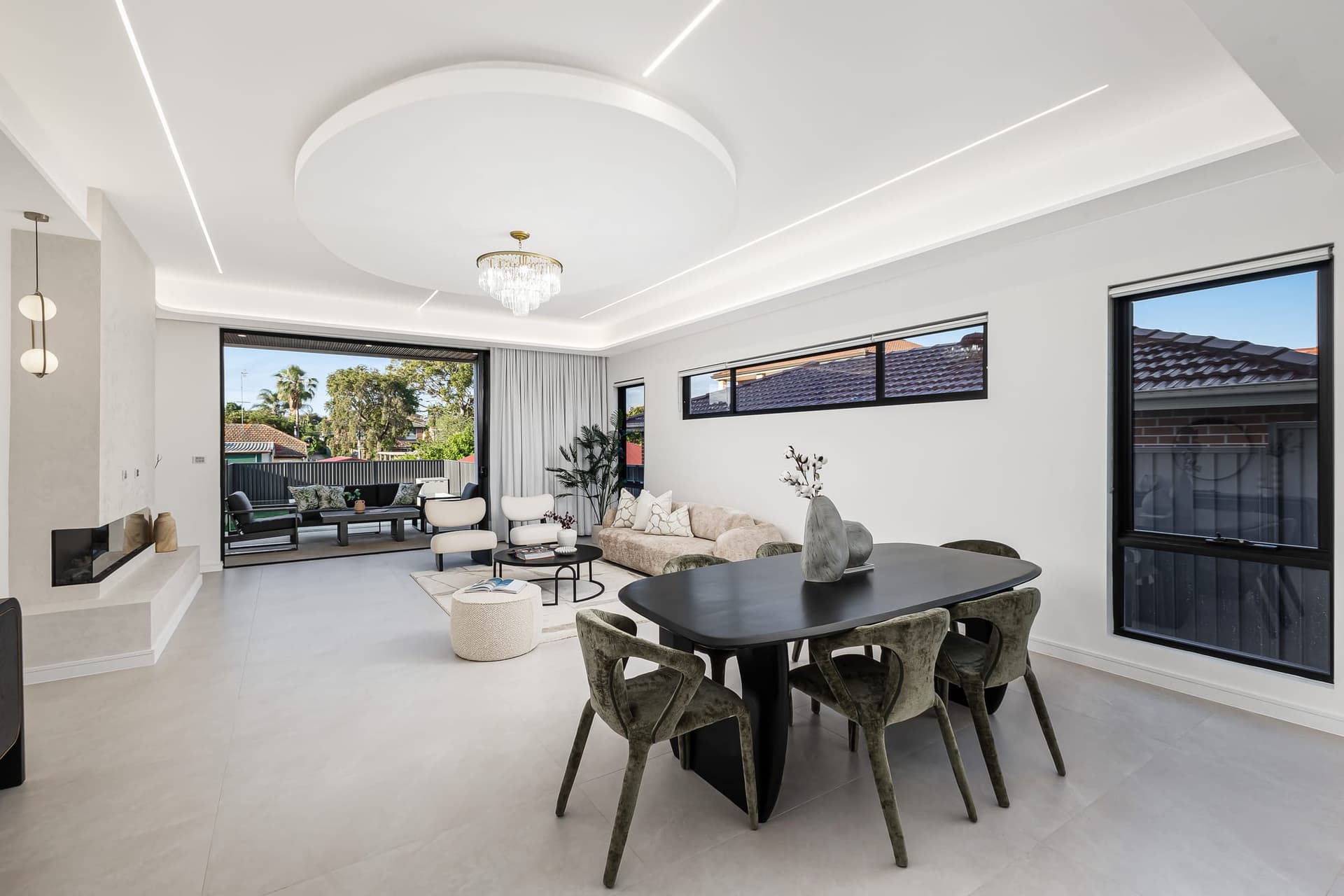
A custom home is a one-off dwelling designed specifically for your block, your family and your lifestyle. No two custom homes are the same. Unlike project homes — where you choose from a catalogue of pre-designed floor plans — a custom home starts with a blank page and your brief.

Custom homes are designed around the specific characteristics of your site: orientation, slope, setbacks, views, neighbour locations, prevailing breezes, and soil conditions. Every room, every window placement, every ceiling height is a deliberate decision — not a compromise to fit a standard plan onto a non-standard block.

In Western Sydney, custom homes are the right choice when:

  • Your block has challenging characteristics (slope, narrow frontage, irregular shape) that project plans cannot accommodate
  • You want a floor plan that does not exist in any catalogue — multigenerational living, home office integration, specific room sizes for your family
  • You care about build quality and want to specify materials, fixtures and finishes rather than accept a standard inclusions list
  • You want a home that is truly yours — architecturally distinctive, not one of 500 identical houses in a display village

Buildana (Lic. 487805C) is a custom home builder operating across Western Sydney. We design and build homes from the ground up — no templates, no display homes, no cookie-cutter floor plans. Every home we build starts with your brief and your block.

How Much Does a Custom Home Cost in Sydney?

Custom homes cost more per square metre than project homes — but less than most people assume when you compare like for like. Here are the real numbers.

Construction costs (Rawlinson, Edition 29 — Sydney, individual house 150–350 sqm):

Spec LevelConstruction TypeCost per sqm
MediumFramed$1,815–$1,955/sqm
MediumBrick veneer$1,965–$2,120/sqm
MediumFull brick$2,050–$2,210/sqm
HighFramed$2,505–$2,700/sqm
HighBrick veneer$2,745–$2,960/sqm
HighFull brick$2,815–$3,035/sqm
PrestigeFull brick$3,625–$3,905/sqm

Typical custom home costs:

Home SizeSpec LevelConstruction Cost
200 sqm 4-bedroomMedium brick veneer$393,000–$424,000
250 sqm 4-bedroomMedium full brick$512,500–$552,500
280 sqm 5-bedroomHigh brick veneer$768,600–$828,800
300 sqm 5-bedroomHigh full brick$844,500–$910,500
350 sqm prestigePrestige full brick$1,268,750–$1,366,750

Custom home vs project home — where the cost difference comes from:

A project home builder advertising "$250,000 for a 4-bedroom home" is quoting a base price on a flat, serviced block with standard inclusions. Add the real costs:

  • Site costs (slope, rock, reactive soil): $15,000–$60,000 extra
  • Upgrade from basic inclusions to liveable standards: $30,000–$80,000
  • Driveway, landscaping, fencing (rarely included): $20,000–$50,000
  • BASIX compliance upgrades: $5,000–$15,000

The project home "base price" balloons to $320,000–$455,000 in practice. A custom home quoted at $450,000–$550,000 may be only 10–20 per cent more expensive — but includes premium materials, a purpose-designed floor plan, and transparent fixed pricing with no hidden site costs.

What is included in Buildana's custom home price:

  • Architectural design tailored to your block and brief
  • All structural and civil engineering
  • BASIX certificate and compliance
  • All authority fees (water, sewer, electricity connection)
  • Complete construction from slab to handover
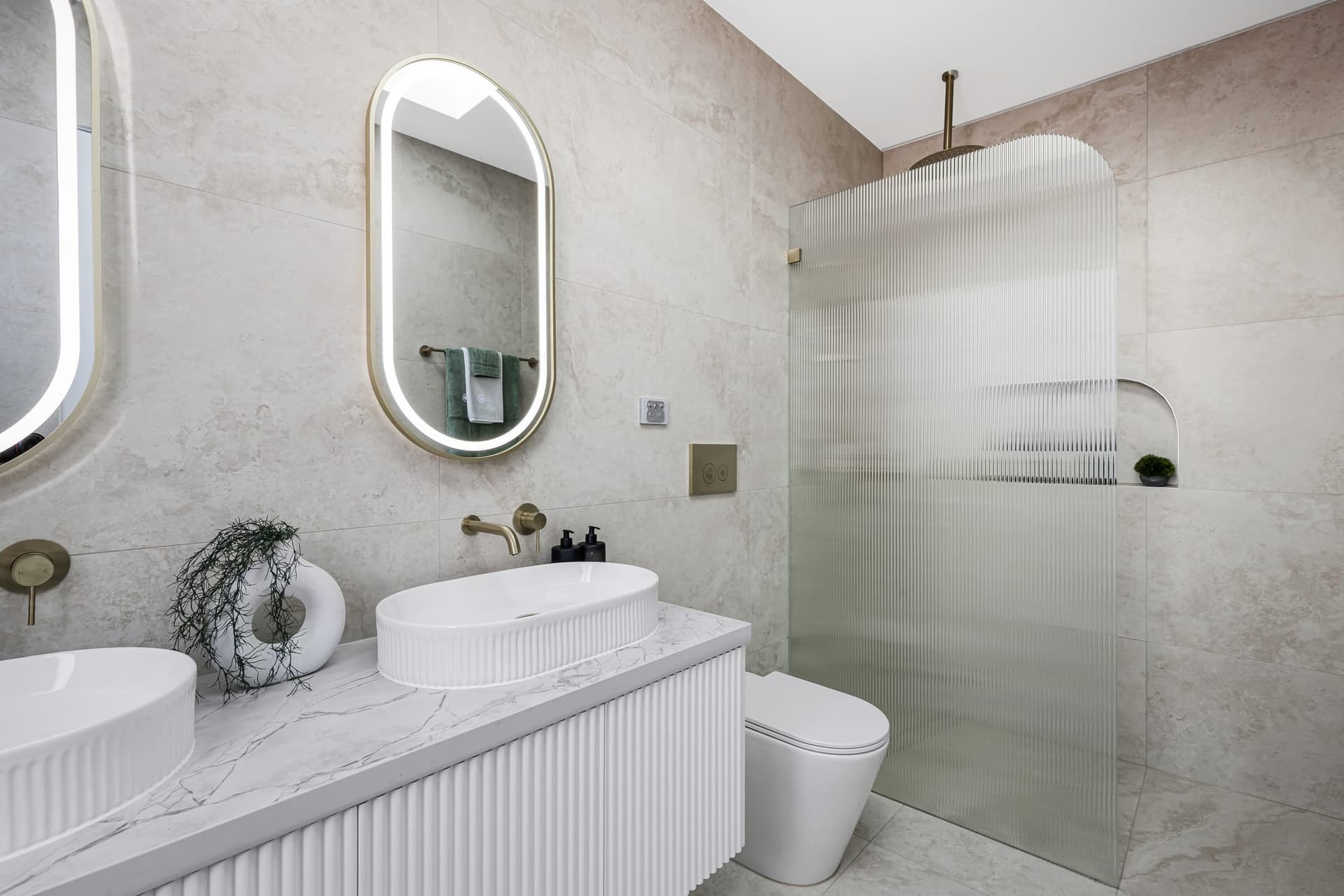
  • Internal fit-out including kitchen, bathrooms, wardrobes, flooring, painting
  • All plumbing, electrical, data and air conditioning
  • External works: driveway, outdoor alfresco area, basic landscaping
  • HBCF insurance, six-year structural warranty

What is excluded (and priced separately):

  • Demolition of existing dwelling (if applicable)
  • Swimming pool
  • Premium landscaping beyond basic
  • Window furnishings
  • Loose furniture and appliances

Custom Home vs Project Home — The Real Difference

This is the most common question we hear. Here is an honest comparison.

Project home:

  • Choose from a catalogue of pre-designed floor plans (typically 30–100 designs)
  • Standard inclusions list with upgrade options at additional cost
  • Designed for flat, regular blocks — substantial site costs on anything else
  • High volume, lower margins — builder's profit comes from volume and upgrade mark-ups
  • Marketing-heavy — display villages, TV advertising, brand presence
  • Faster build time for standard builds (20–28 weeks)
  • Limited ability to modify the plan — changes incur variation costs
  • Support can be impersonal — you are one of hundreds of concurrent builds

Custom home:

  • Floor plan designed from scratch for your block and your brief
  • You specify every material and finish — nothing is a "standard inclusion"
  • Designed to work with your block's slope, orientation, setbacks and challenges
  • Lower volume, higher involvement — builder's profit comes from quality and reputation
  • No display village — you see completed homes and talk to previous clients
  • Longer build time (30–40 weeks) due to bespoke design and detailing
  • Full flexibility to modify anything during design phase at no variation cost
  • Personal service — your project manager knows your name, your family and your brief

When project homes make sense:

  • Flat, regular block in a new land release (Marsden Park, Oran Park, Leppington)
  • Standard 4-bedroom family home with no unusual requirements
  • Budget is the primary driver and you are comfortable with base inclusions
  • You need to move in quickly — project home on a serviced lot is the fastest path

When custom homes make sense:

  • Established suburb — block has slope, irregular shape, existing trees, neighbour constraints
  • You want a specific layout: multigenerational wing, home office, large butler's pantry, specific room sizes
  • Quality and finish matter — you want to choose your bricks, tiles, joinery, stone benchtops and tapware
  • You want a home that looks and feels different from every other house in the street
  • You plan to live in this home for 20+ years and want it built to last

The middle ground — semi-custom:

Some builders offer "semi-custom" — a base plan that is significantly modified to suit your block and preferences. Buildana operates in this space — we do not use templates, but we draw on proven design principles and room configurations that we know work well in Western Sydney's climate, block sizes and family needs. The result is a custom home without the cost or timeline of a fully architect-designed bespoke residence.

The Custom Home Building Process — Step by Step

Building a custom home follows a structured process. Each step builds on the previous one — there are no shortcuts.

Step 1 — Initial consultation and brief (Week 1–2)

We discuss your vision, needs and budget. Key questions:

  • How many bedrooms and bathrooms?
  • Open-plan or formal dining? Butler's pantry? Study/home office?
  • Multigenerational living (parents or in-laws)?
  • Indoor/outdoor living — alfresco, pool, landscaping?
  • Garage — double, triple? Internal access?
  • Materials preference — brick veneer, full brick, rendered? Stone? Timber?
  • Budget range — realistic conversation about what your budget can deliver

We also visit your block (if you already own it) and conduct a preliminary site assessment.

Step 2 — Site assessment and feasibility (Week 2–4)

Detailed assessment of your block: zoning, setbacks, FSR, height limits, soil classification, slope analysis, service locations, flood and bushfire mapping, contamination risk, and existing trees. This tells us exactly what can be built and what constraints we are working with.

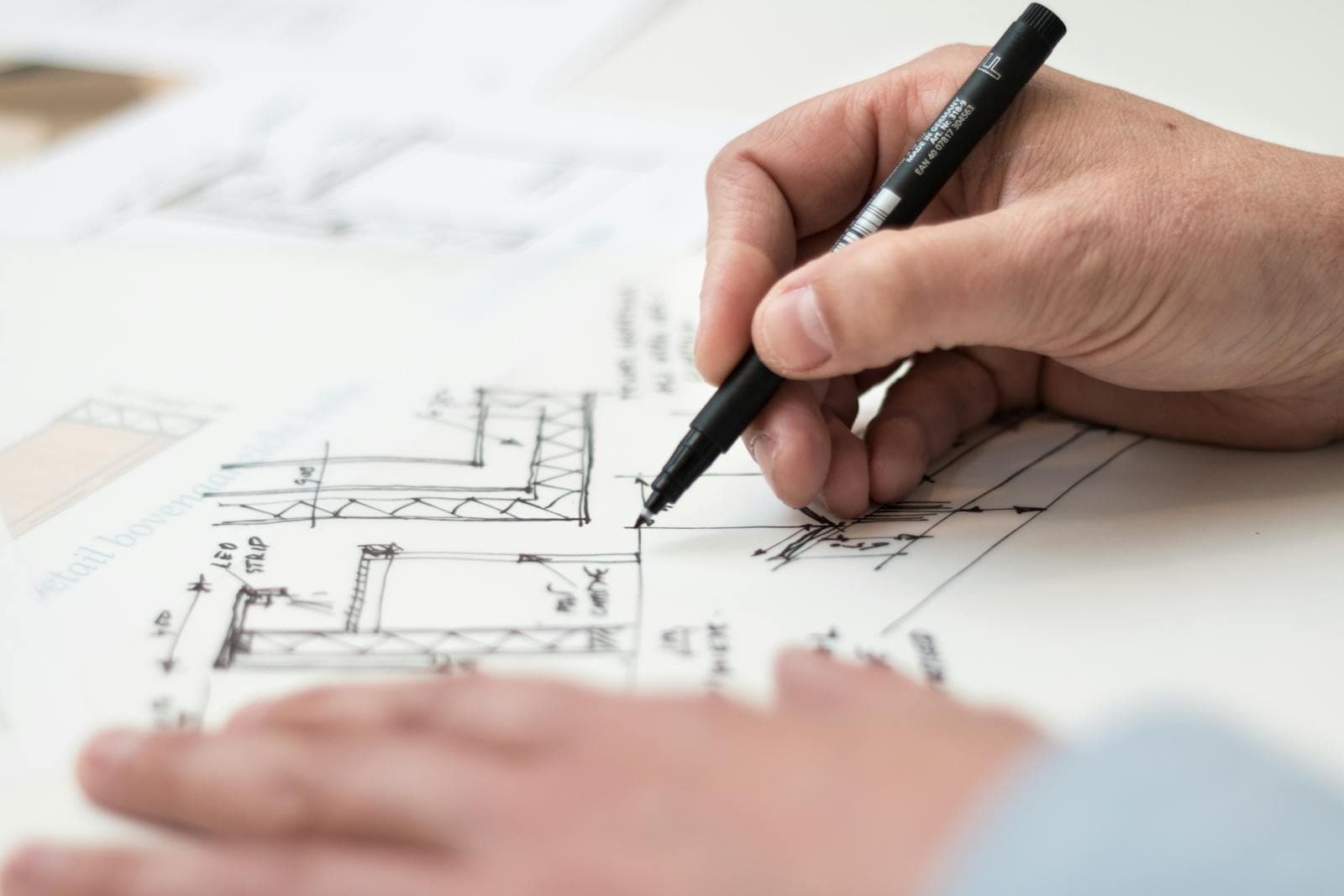
Step 3 — Concept design (Week 4–8)

First floor plan concepts based on your brief and site assessment. You receive 2–3 options with different layouts, orientations and configurations. 3D renders show how the home sits on the block. Multiple revision rounds until you are happy with the design direction.

Step 4 — Detailed design and documentation (Week 8–14)

Final floor plan locked in. Full documentation package prepared: working drawings, elevations, sections, structural engineering, BASIX certificate, geotechnical report, stormwater management, energy assessment, and all documentation required for approval.

Step 5 — Fixed-price contract (Week 14–16)

Detailed scope of work with every inclusion itemised. No "provisional sums" for known items. Fixed price means fixed price — the price on your contract is the price you pay (unless you request changes during construction).

Step 6 — Approval (Week 16–24)

CDC or DA submission depending on your project:

  • CDC: 10–15 business days (most single-dwelling custom homes in R2 zones qualify)
  • DA: 40–90+ business days (heritage areas, flood zones, or complex designs)

Step 7 — Construction (Week 24–60)

Foundation/slab → frame → roof → lock-up → internal fit-out → finishing → external works. Dedicated project manager, weekly progress updates, milestone inspections. Construction duration: 30–40 weeks for a standard 200–300 sqm home, longer for larger or more complex builds.

Step 8 — Handover (Week 60–64)

Final inspection, Occupation Certificate, HBCF insurance certificate, warranty documentation, maintenance guide, keys. Welcome to your custom home.

Designing Your Custom Home — What to Consider

Good custom home design in Western Sydney accounts for climate, block characteristics and how your family actually lives.

Climate response:

Western Sydney has hot summers (regularly 35°C+ in Penrith, Fairfield, Liverpool) and cool winters. Good design reduces energy costs:

  • North-facing living areas capture winter sun and avoid harsh western afternoon heat
  • Eaves depth of 450–600mm on the northern facade shades high summer sun while allowing low winter sun
  • Cross ventilation through well-placed windows on opposite walls
  • Thermal mass (brick, concrete) in living areas absorbs heat during the day and releases it at night
  • Good insulation (minimum R4.0 ceiling, R2.5 walls) is essential — not optional

Block orientation:

The best custom home designs start with the block's orientation:

  • North-facing rear: Ideal. Living areas, alfresco and main bedrooms face north. Private and sunny.
  • North-facing front: Living areas at the front for sun, bedrooms at the rear for privacy. Requires careful streetscape design.
  • East-west orientation: Morning and afternoon sun. Use deep eaves and screening on the western side to block harsh afternoon heat.

Room layout principles:

  • Living, kitchen and dining: Together in an open-plan zone with direct access to outdoor living. This is how Western Sydney families live — casual, connected, indoor-outdoor.
  • Main bedroom: Separated from children's bedrooms for privacy. Walk-in robe and ensuite standard.
  • Children's bedrooms: Grouped together near a shared bathroom. Sized for a double bed, desk and built-in robe.
  • Home office/study: Post-COVID essential. Separate from main living zone with a door that closes.
  • Butler's pantry: Increasingly standard in Western Sydney custom homes. Hides the mess of daily cooking behind the presentation kitchen.
  • Garage: Internal access to the house is essential. Double garage minimum — triple for larger homes.
  • Alfresco: Covered outdoor living area (minimum 20 sqm) with direct kitchen access. BBQ, ceiling fan, outdoor blinds.

Materials in Western Sydney:

  • Brick veneer: Most common. Brick external walls, timber frame. Cost-effective, good thermal mass, low maintenance.
  • Full brick: Double brick external and internal walls. Superior thermal mass and acoustic performance. Higher cost ($2,050–$2,210/sqm medium spec vs $1,965–$2,120/sqm for brick veneer).
  • Rendered finish: Popular aesthetic upgrade — concrete block or polystyrene system with acrylic render. Clean contemporary look.
  • Timber cladding (accent only): Used as feature elements — not full external cladding (timber requires ongoing maintenance in Western Sydney's climate).

Choosing the Right Block for a Custom Home

If you do not already own land, choosing the right block is the most important decision in the entire custom home process.

Established suburbs vs new land releases:

Established suburbs (Fairfield, Liverpool, Merrylands, Bankstown, Auburn) offer:

  • Mature street trees, established infrastructure, character streetscapes
  • Proximity to train stations, schools, shops, hospitals
  • Larger block sizes (500–800 sqm is common)
  • Higher land cost but lower ongoing commute cost
  • Potential to buy a knockdown site — old house on great land

New land releases (Marsden Park, Oran Park, Leppington, Box Hill, The Ponds) offer:

  • Lower land cost per sqm
  • Flat, serviced lots ready to build
  • New schools, parks and community facilities (eventually)
  • Longer commute until infrastructure catches up
  • Predominantly project home streetscapes — a custom home stands out

What makes a great custom home block:

  • Size: 500 sqm+ gives design flexibility. Under 400 sqm, custom design is still possible but you are working with tighter constraints.
  • Frontage: 15m+ allows a generous front facade, double garage and side access. Narrow blocks (under 12m) require a longer, narrower floor plan.
  • Slope: Flat to gentle (under 2m fall) keeps costs predictable. Moderate slope (2–4m) can actually create dramatic design opportunities — split-level homes, elevated views — at a cost premium of $30,000–$80,000 for retaining and benching (Rawlinson benchmarks).
  • Orientation: North-facing rear is ideal for living/alfresco areas. East-west is workable. South-facing rear requires more design effort.
  • Soil: Class A or S (stable soil) is cheapest for foundations. Class M, H, E or P (moderate to extreme reactivity or problem soil) requires engineered foundations — adding $10,000–$40,000.
  • Bushfire and flood: BAL-12.5 or lower is manageable. BAL-29 and above adds significant cost for bushfire-compliant construction. Flood-affected land requires elevated floor levels and DA (not CDC).

Due diligence before buying:

Before purchasing any block for a custom home, Buildana recommends:

  1. Check zoning and permitted uses under the council's LEP
  2. Review the DCP for setbacks, height, FSR and landscaped area requirements
  3. Order a geotechnical (soil) report ($1,500–$3,000)
  4. Check flood and bushfire mapping
  5. Review the Section 10.7 planning certificate (formerly Section 149) for restrictions
  6. Confirm service availability (sewer, water, electricity, gas, NBN)

Choosing a Custom Home Builder in Western Sydney

The builder you choose will determine the quality, cost and experience of your custom home build. Here is what to assess.

Non-negotiable requirements:

  1. Current NSW contractor licence for the full contract value. Check on NSW Fair Trading's online licence register. Buildana Licence: 487805C.
  1. Portfolio of completed custom homes — not project homes badged as "custom." Ask to see completed builds, not renders. Better yet, ask to speak with previous clients.
  1. Fixed-price contract with a detailed scope of work. Every inclusion itemised — brick type, tile selection, kitchen joinery specifications, bathroom fixtures, flooring, paint colours, electrical points, data points. If it is not in the contract, it is not included.
  1. In-house or closely managed design. Custom home builders either employ designers or work with a small network of architects. The design and construction process should be integrated — not separate contracts with separate companies.
  1. HBCF insurance provided before work commences. Mandatory in NSW for contracts over $20,000. This protects you if the builder becomes insolvent or disappears.
  1. Transparent progress payment schedule. NSW law limits deposits to 10 per cent (or $20,000, whichever is less) for contracts over $20,000. Progress payments at defined milestones: slab, frame, lock-up, fit-out, completion.

Questions to ask every custom home builder:

  • How many custom homes have you completed in my council area?
  • Can I speak with three previous clients who built a similar-sized home?
  • What is your current build schedule — when would my home start and finish?
  • Do you have a preferred list of suppliers or can I choose my own?
  • How do variations work — what happens if I want to change something during construction?
  • Who is my project manager and how often will they update me?
  • What inspection schedule do you follow — PCA or council?

Red flags:

  • No completed custom home projects to show (only renders or display homes)
  • "Cost-plus" pricing instead of fixed-price
  • Requires a large deposit (over 10 per cent or $20,000)
  • Design and construction are separate contracts with separate entities
  • Vague timeline with no milestone dates
  • Cannot provide HBCF insurance certificate before work starts

Buildana has built custom homes across Fairfield, Liverpool, Cumberland, Canterbury-Bankstown and Blacktown. We provide a fixed-price contract before construction starts, a dedicated project manager throughout, and the full statutory warranty required by NSW law.

Ready to discuss your knockdown rebuild?

Free site assessment. Honest advice. No obligation.

Book Free Consultation

Knockdown Rebuild FAQ

Ready to Start Your Project?

Free site assessment. Fixed-price contract. No obligation.

Start Your Project