Skip to content
Buildana construction project in Western Sydney

Home Extension Botany — Design, Approval, Structural, Build

Full-service extensions in Botany 2019: structural survey of existing 1910s–1970s home, design, Bayside Council approval, engineering, weatherproofed construction, matched finish to original dwelling.

Based in Fairfield, Western Sydney5.0 Google RatingLicensed & Insured (LIC 487805C)HIA Member — Buildana Custom Home Builders SydneyHIA MemberMaster Builders Association NSW Member — BuildanaMBA NSW0476 300 300
?

Quick Answer

A home extension in Botany costs $150,000–$600,000+. Rear extension from $150K, second-storey addition from $300K. Buildana manages design, Bayside Council approvals, and construction under one fixed-price contract.

Second-Storey & Rear Additions in Botany

Extension in Botany is mid-tier scope on 400–700m² lots; Botany village HCA pockets carry heritage-grade work. Botany Sands soil drives suspended slab tie-ins ($25K–$50K premium). ANIP overlays; industrial-legacy clearance. Realistic budget $270K–$650K; $550K–$1.2M heritage-grade.

On the ground in Botany (2019), the practical numbers shape every home extension. Class M (Wianamatta Shale + Botany Sands) / Class P/E (alluvial near Cooks River + Botany Bay foreshore) soil — extremely reactive clay — pushes engineered foundation work into the $45,000–$80,000 bracket on most 400–700m² blocks. R2 Low / R3 Medium (station precincts) / R4 (Wolli Creek, Mascot, Rockdale, Kogarah, Arncliffe high-rise) zoning under Bayside Council sets the building envelope, with R3 Medium Density pockets that open up dual occupancy options on qualifying lots. Median sale price across Botany sits at $1.7M–$2.6M, which frames the build-versus-buy decision from the start. Nearest rail is Bus to Mascot (T8, 2 km), and that proximity affects everything from rental demand to construction site access.

Buildana manages the complete home extension process in Botany — from design consultation and structural engineering through to DA or CDC approval, and fixed-price construction to handover. Extend your home without the stress.

Read our Home Extension Cost Guide 2026 or explore extension approval pathways in NSW.

  • Home extensions in Botany from $150K
  • Bayside Council DA and CDC approvals managed
  • Ground floor, rear and second-storey additions
  • Class M (Wianamatta Shale + Botany Sands) / Class P/E (alluvial near Cooks River + Botany Bay foreshore) soil — structural engineering included
  • 1910s–1970s-era homes assessed for extension suitability
  • Connect new to existing — clean, matched finish
  • 6-year structural warranty
  • Free design consultation — near Bus to Mascot (T8, 2 km) station
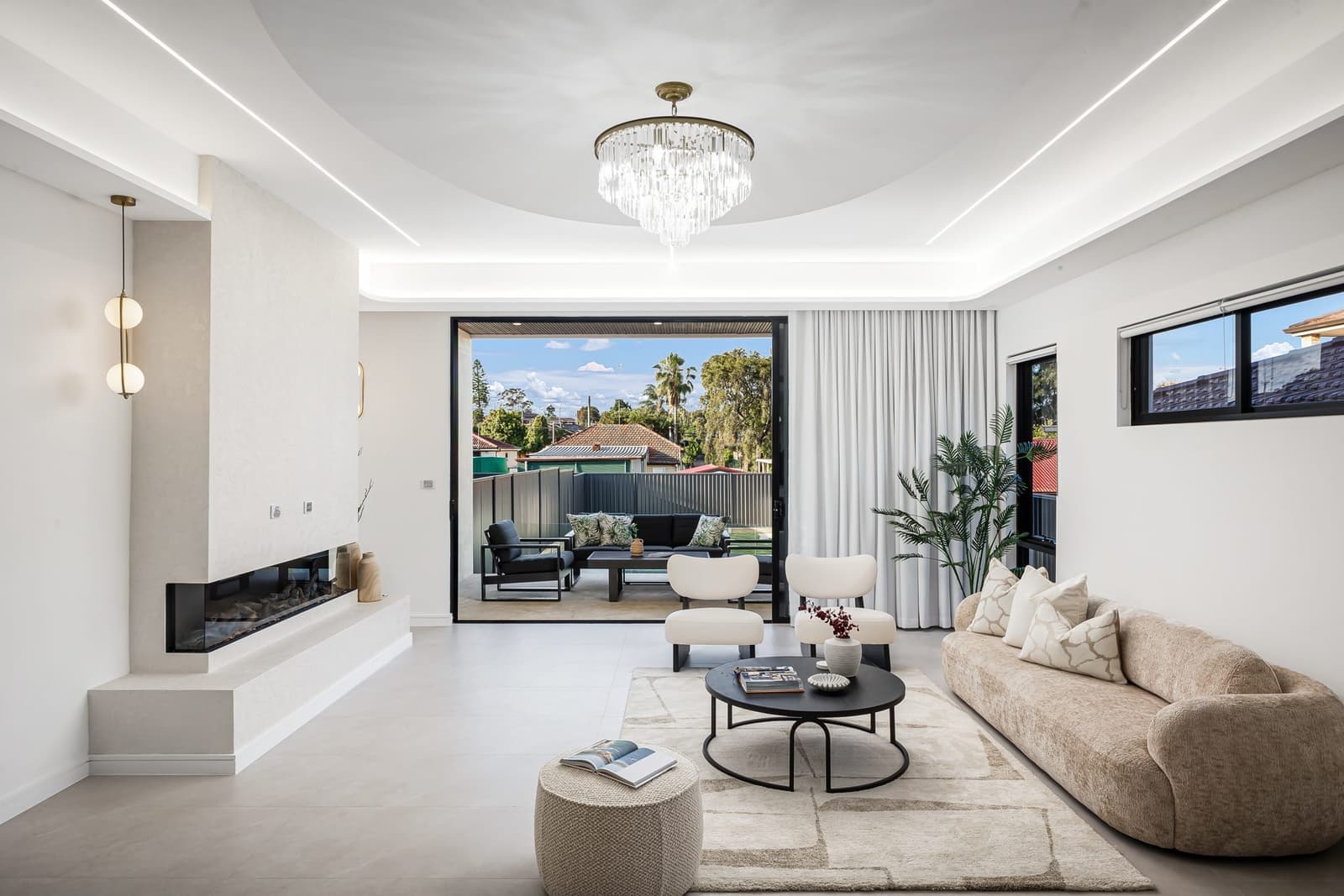
Botany home extension — matched connection to existing dwelling
OA

Reviewed by Oliver Alameri

Licensed Builder (NSW 487805C) · Master of Property Development · PhD Student · Building across Western Sydney since 2010

Why Extend Your Home in Botany?

Botany is the suburb between Mascot and Botany Bay — Federation cottages, inter-war heritage, post-war fibro/brick and contemporary on 400–700m² blocks. Heritage Conservation Areas in pockets including Botany village. Industrial-legacy contamination on remediated parcels around Port Botany. Botany Sands soil with elevated water table. ANIP flight-path overlays.

Residential blocks of 400–700m² across Botany (2019) provide solid building envelopes for a range of project types. Bayside Council manages planning controls with well-established DCP provisions. Transport access via Bus to Mascot (T8, 2 km) connects Botany to the wider Sydney network. 1910s–1970s-era homes in Botany often have good structural foundations worth building on. Extensions add living space at a fraction of the full rebuild cost. Class M (Wianamatta Shale + Botany Sands) / Class P/E (alluvial near Cooks River + Botany Bay foreshore) soil (extremely reactive) is standard for Botany — Buildana includes engineered slab design in every quote.

Extension in Bayside is mid-tier scope across the post-war fibro/brick stock dominating the LGA — inter-war heritage and Federation cottage extensions on Bexley, Bardwell Valley, Carlton, Botany village, Mascot pockets where Council expects original detail retained. Beachfront extensions on Brighton-Le-Sands, Monterey, Ramsgate Beach, Sandringham, Sans Souci require coastal salt-grade specifications and sometimes Foreshore Building Line consent. Botany Sands soil on the eastern half (Mascot, Botany, Eastlakes, Brighton-Le-Sands, Kyeemagh, Wolli Creek) drives suspended slab tie-ins, Class P/E footing engineering, and dewatering on second-storey/footing-strengthening work — specification overhead $25K–$60K above standard. Wianamatta Shale soil inland with minimal rock excavation. ANIP flight-path overlays mandate sound-rated glazing and insulation on Mascot, Eastlakes, Kyeemagh, Banksia, Wolli Creek, Brighton-Le-Sands, Botany, parts of Arncliffe. Apartment renovations dominant on Wolli Creek, Mascot, Rockdale, Kogarah, Arncliffe high-rise stock — strata bylaws and common-property approval restrict scope. Realistic budget $230K–$580K for thoughtful 50–110m² addition inland; $400K–$950K beachfront with salt-grade specs; $130K–$400K apartment-scale.

Planning Controls — Bayside Council

Bayside LEP 2021 (consolidating the legacy Botany Bay and Rockdale LEPs) & Bayside DCP. R2 Low Density covers most older streets: FSR 0.5–0.55:1, building height 8.5–9m, front setback 4.5–6m, landscaped area 35–45%. R3 Medium Density along Princes Highway, Forest Road, Rocky Point Road, The Grand Parade and around station precincts (Rockdale, Kogarah, Carlton, Bexley North, Banksia, Arncliffe, Mascot, Kingsgrove) permits FSR up to 0.9:1. R4 High Density and B4 Mixed Use concentrated on Wolli Creek (master-planned apartment precinct), Mascot, Rockdale town centre, Kogarah St George Hospital precinct, Arncliffe, Eastgardens around Westfield, and station-precinct overlays. Bayside DCP enforces 600m² R2 dual-occupancy minimum. Heritage Conservation Areas in pockets covering Botany village, Bexley Federation streets, Rockdale heritage core, Mascot inter-war pockets and parts of Kogarah/Carlton. Tree Preservation Order LGA-wide. Wianamatta Shale soil predominant inland; Botany Sands soil with elevated water table on the eastern half of the LGA (Mascot, Botany, Eastlakes, Eastgardens, Brighton-Le-Sands, Kyeemagh, Wolli Creek) requiring suspended slabs, Class P/E footings, and dewatering on basement excavations. Coastal salt-grade specifications mandatory across all Botany Bay foreshore builds (Brighton-Le-Sands, Monterey, Ramsgate Beach, Dolls Point, Sandringham, Sans Souci). Cooks River and Botany Bay foreshore riparian setbacks 10–40m. Foreshore Building Line restrictions on direct waterfront. Industrial-legacy contamination management protocols apply to remediated parcels in Mascot, Botany, Wolli Creek, Eastlakes (former industrial, brick pits, light industry, Port Botany adjacency). Aircraft Noise Insulation Project (ANIP) overlays are LGA-defining — the Sydney Airport flight path runs directly over Mascot, Kyeemagh, Wolli Creek, Arncliffe, Banksia, Brighton-Le-Sands, Botany, Eastlakes and parts of Tempe; ANIP-covered properties mandate sound-rated glazing, mechanical ventilation and insulation upgrades. WestConnex/M8 corridor through Arncliffe, Wolli Creek and Tempe defines the northern transport spine. Aboriginal cultural heritage protocols apply on parts of the Botany Bay and Cooks River foreshore (La Perouse, Kurnell adjacency).

Home extension builder in Botany — key facts

Suburb
Botany, NSW 2019
Council / LGA
Bayside Council (Bayside)
Primary zoning
R2 Low / R3 Medium (station precincts) / R4 (Wolli Creek, Mascot, Rockdale, Kogarah, Arncliffe high-rise)
Typical lot size
400–700m²
Soil class
Class M (Wianamatta Shale + Botany Sands) / Class P/E (alluvial near Cooks River + Botany Bay foreshore)
Median house price
$1.7M–$2.6M
Home era
1910s–1970s
Typical price range
$150,000 – $600,000+
Typical timeline
6–12 months design to handover
Approval pathway
CDC for most rear extensions, DA for second-storey

Building in Botany — Local Context

Foundations & Slab Design for Botany

Botany's ground is extremely reactive clay (Class M (Wianamatta Shale + Botany Sands) / Class P/E (alluvial near Cooks River + Botany Bay foreshore)). On a 400–700m² block, that translates to engineered slab work in the $45,000–$80,000 bracket for a extension. Double-check any quote that doesn't itemise the slab — 'slab as per engineering' usually means the builder will hit you with a variation once the soil report comes back. We commission the geotech upfront, before pricing, so the cost in your contract reflects what your block actually needs. If your neighbour's home shows movement cracks above architraves or below window sills, that's a signal worth knowing before you finalise design — Buildana's site assessment looks at adjacent stock too.

Planning Controls in Botany

Botany is zoned R2 Low / R3 Medium (station precincts) / R4 (Wolli Creek, Mascot, Rockdale, Kogarah, Arncliffe high-rise) with R3 Medium Density pockets. Bayside Council controls FSR, height limits (typically 8.5–9m), site coverage, landscaped area minimums, and setbacks. For a extension, the binding constraints on most 400–700m² blocks here are: front setback (around 4.5–6m), side setbacks (1.0–1.5m articulated), rear (3–6m depending on lot depth), and landscaped area (usually 35–40%). Buildana's design team works to those numbers from the first sketch — no late re-design when council comes back with comments.

What a Extension Costs in Botany

Botany's median house price sits at $1.7M–$2.6M. That's the number that decides whether a home extension stacks up financially. If you're spending more than 50% of $1.7M–$2.6M on a extension, the economics tilt toward knockdown rebuild instead. Worth running the numbers properly before locking in scope. Buildana provides itemised quotes — no provisional sums, no allowances, no "as per engineering" line items.

Lifestyle Fit in Botany

Botany has a settled residential character. Bus to Mascot (T8, 2 km) from the nearest station. Local landmark: Botany village & Sir Joseph Banks Park. For families extending here, the design considerations that matter day-to-day: orientation for natural light (north-facing living wherever the lot allows), separation between adult and kids' zones, a kitchen that opens to outdoor entertaining, garage size that fits a real family vehicle plus storage, and a layout that doesn't require renovating again in 10 years as the kids grow. Buildana designs for the long arc of how families actually use a home, not just the showroom photo.

Why Some Botany Builds Stall

Builds in Botany stall for predictable reasons. Lodgement defects (missing BASIX, wrong drawing scale, undeclared overlays). Soil surprises on Class M (Wianamatta Shale + Botany Sands) / Class P/E (alluvial near Cooks River + Botany Bay foreshore) ground when the builder didn't commission a borehole upfront. Variation creep when the contract was light on inclusions. Trade scheduling gaps when the builder is over-committed across too many sites. Bayside Council delays when neighbour objection triggers committee review. Buildana protects against each of these at contract stage — fully documented lodgement pack, geotech in the price, itemised inclusions instead of allowances, and a tight project-manager-to-job ratio that keeps trades moving.

Builder's Take on Botany

Timing on Botany extensions typically runs 14–24 weeks for ground-floor additions, 20–32 weeks for second-storey. Living in the house during the build is possible but requires staging — we plan around it so the kitchen and main bathroom aren't out at the same time.

Matching brick on a Botany extension: 1910s–1970s brick is often discontinued. We specify a close-match or deliberately contrast with render or cladding so the extension reads as intentional, not as a failed match. Done well, an intentional contrast looks better than a forced match.

Botany vs Nearby Suburbs

Botany vs nearby suburbs — key metrics for extending.

SuburbMedian PriceTypical LotSoil ClassEraStation
Botany2019this suburb$1.7M–$2.6M400–700m²Class M (Wianamatta Shale + Botany Sands) / Class P/E (alluvial near Cooks River + Botany Bay foreshore)1910s–1970sBus to Mascot (T8, 2 km)
Mascot2020$1.5M–$2.3M300–600m²Class M (Wianamatta Shale + Botany Sands) / Class P/E (alluvial near Cooks River + Botany Bay foreshore)1940s–1970s + apartment towersMascot (T8, in suburb)
Pagewood2035$1.8M–$2.8M400–650m²Class M (sandstone ridges) / H–E (cliff fall on coast)1950s–2000sLight Rail Kingsford (4 km)
Eastgardens2036$1.7M–$2.6M400–700m²Class M (Wianamatta Shale + Botany Sands) / Class P/E (alluvial near Cooks River + Botany Bay foreshore)1950s–1980s + apartmentsBus to Mascot (T8, 4 km)

Median price, soil class, and lot size shape build feasibility and final cost. Buildana assesses every site against these and other constraints during the free feasibility stage.

Have a question about your project?

Talk to our team — free site assessment and fixed-price quote.

Cost Guide

ItemEstimated Range
Adding a master suite (1910s–1970s Botany home)$130,000 – $270,000
Kitchen/living open-out to backyard$150,000 – $340,000
Second storey for teenagers/office$270,000 – $530,000
Extension + bathroom (growing family)$190,000 – $390,000
Full rear + roof tie-in (entertainer's zone)$340,000 – $580,000

Prices are indicative for Western Sydney (2025). Actual costs depend on site, specifications, and approvals.

More space without moving — no stamp duty, no real-estate fees, no school changes
Botany land value keeps going up — investment stays in the same postcode
You live in the house while it's being extended — staged so daily life still works
Fixed price on the extension scope — no open-ended site rates or hourly blowouts
Existing home gets structural health-check as a by-product
Matched roofline and brickwork so the extension doesn't look like a bolt-on
Insurance and warranty covers the new work and the tied-in structure

How It Works

From First Call to Final Key

Free consultation at your Botany home. We inspect the existing structure, check Bayside Council's controls, measure available space, and discuss what you need.

Two design moves are usually on the table: match the existing house so the extension reads as original, or contrast with it so the new section is clearly modern. Both work — choice is aesthetic, and we'll show 3D renders of both before you commit.

CDC (10–15 business days) or DA through Bayside Council depending on scope. Structural engineering, BASIX, and all documentation prepared and lodged.

Construction phase connects new to existing — footings, frame, roof tie-in, waterproofing at junction, internal fit-out and external finish. Staged works minimise disruption to your daily routine in Botany.

Final inspection focuses on the integration: paint blend, flooring transitions, ceiling height, junction waterproofing, sound transmission. The extension shouldn't feel bolted on — it should feel like the house was always meant to be this size.

Our Team

OA

Oliver Alameri

Founder / Director / Builder · MPropDev · PhD Student

AA

Ahmad Alameri

Accounts Manager

CW

Claire Wendell

Project Manager

Estimate Your Build Cost

Use our free calculator to get an instant cost estimate for your project

Open Calculator →

Ready to take the next step?

Free consultation — no obligation, no pressure.

Frequently Asked Questions

Google Reviews
5.0
Buildana built our granny flat in just 12 weeks. Fast approvals, great communication, and a beautiful final product. Highly recommend.

Fatima Al-Rashid

Liverpool, NSW

See all reviews on Google
Areas We Serve

We Build Across Sydney

Buildana builds across greater Sydney — with deep roots in Western Sydney's Fairfield, Liverpool, Cumberland, Canterbury-Bankstown, and Blacktown LGAs.

Start a Botany Home Extension

Free design consultation for Botany 2019. We'll assess your home, design the extension, and provide a fixed-price quote.

Start Your Project