Attached vs Detached Duplex — Which Design Works Best?
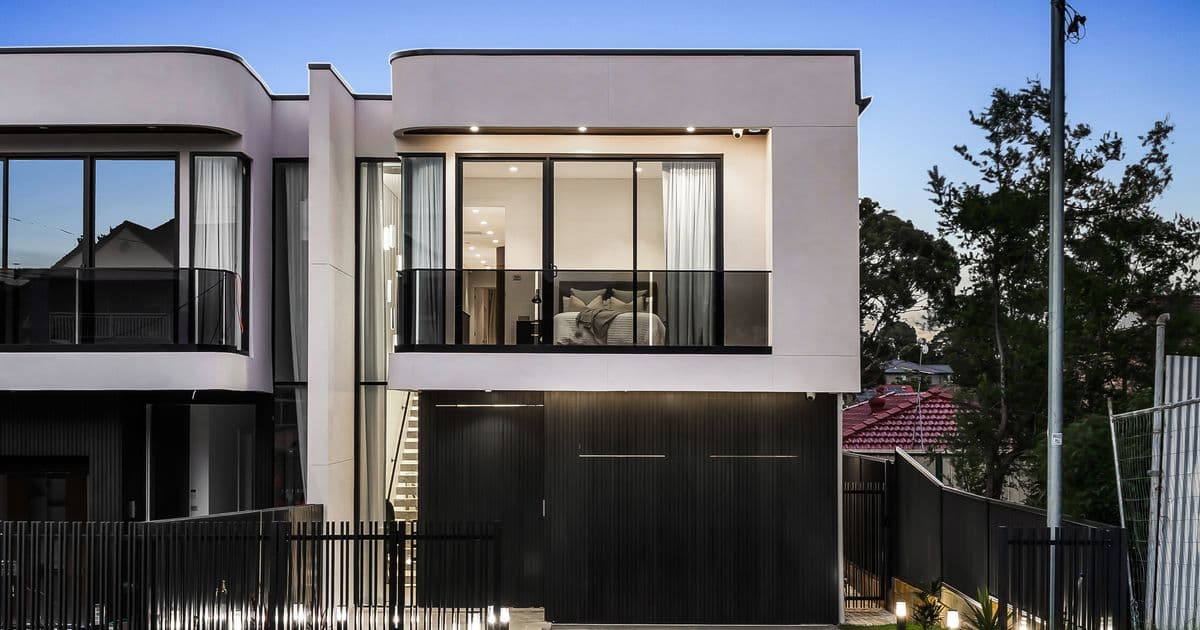
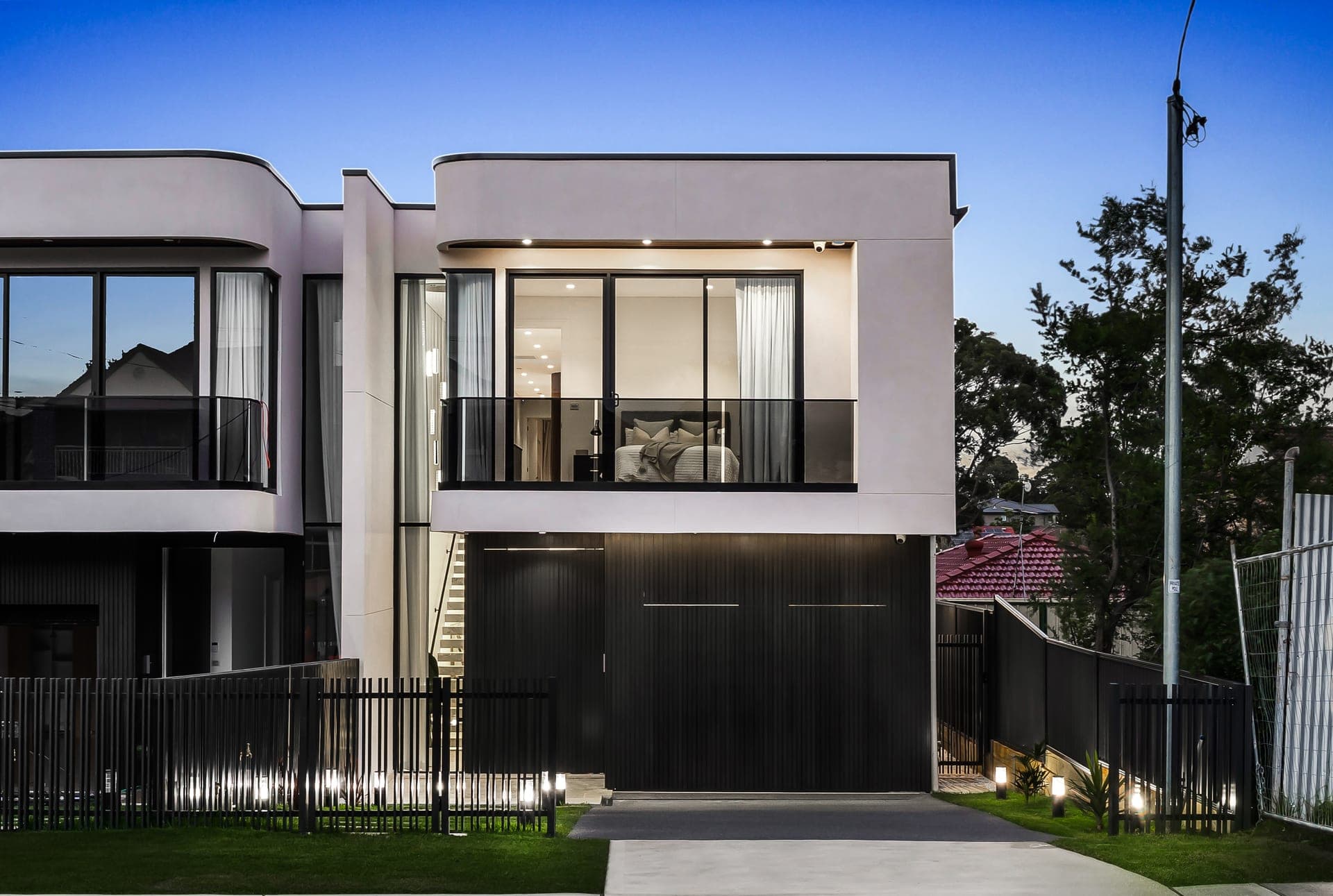
When building a duplex in Sydney, one of the first design decisions is whether the two dwellings share a common wall (attached) or are separated by a gap (detached). Each configuration has cost, design, and subdivision implications. Buildana (Lic. 487805C) builds both attached and detached duplexes across Western Sydney.
Planning a duplex in Sydney?
Free site review — we'll assess zoning, feasibility and likely build cost before you commit to design fees.
Detached Duplex — Freestanding Dwellings
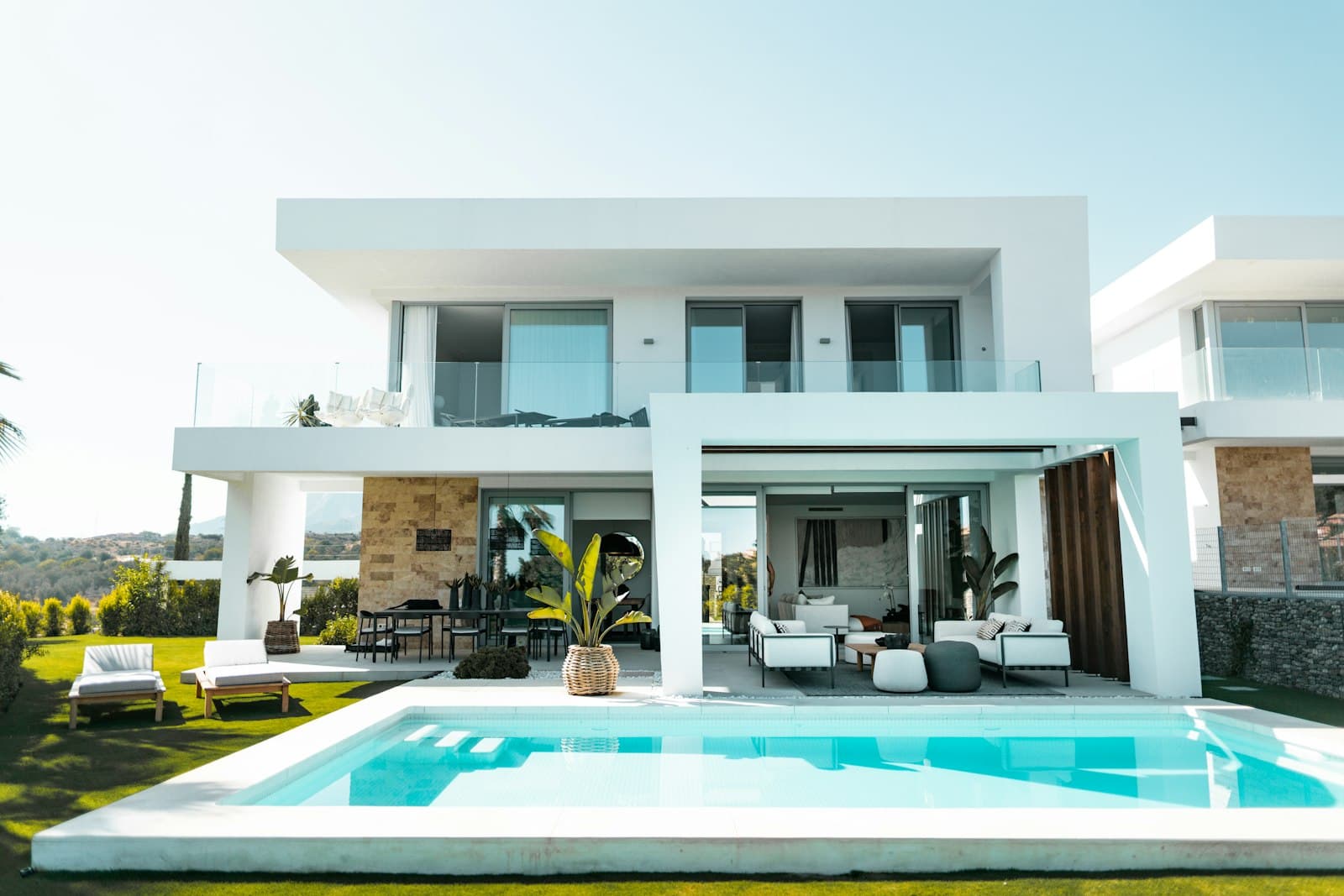
A detached duplex has two separate freestanding buildings on the same lot, with a gap (typically 1.8–3m) between them.
Advantages: • Superior acoustic privacy — no shared wall means no sound transfer between dwellings • Natural light on all four sides — windows on every elevation • Simpler construction — no party wall rating requirements • Greater buyer appeal — purchasers perceive a freestanding home as more desirable than a semi-attached dwelling • Independent maintenance — each dwelling is structurally independent
Disadvantages: • Requires a wider block — the gap between dwellings plus setbacks on both sides needs 15m+ frontage • Higher construction cost — four complete external walls per dwelling, plus the gap consumes buildable area. Additional cost: approximately $20,000–$40,000 compared to attached • Lower FSR utilisation — the gap between buildings reduces the buildable envelope • More external works — two separate driveways, two sets of services, separate stormwater management
Cost: For a 2 × 150 sqm detached duplex at medium brick veneer: $700,000–$800,000 construction.
Which Configuration Suits Your Block?
Block width determines which configuration is feasible:
• Under 12m frontage: attached only. Not enough width for two separate buildings with required setbacks. • 12–15m frontage: attached recommended. Detached is technically possible but compromises dwelling size. • 15–18m frontage: either configuration works. Attached gives you more floor area; detached gives you better amenity. • Over 18m frontage: detached recommended. You have enough width for two generous freestanding homes — use it.
Corner blocks are ideal for detached duplexes — each dwelling can face a different street, with separate access and addressing.
For block size requirements, see our duplex block size NSW guide. For the full building process, read our complete guide to building a duplex in Sydney. Contact Buildana for a free duplex feasibility assessment.