Why Corner Blocks Are Ideal for Duplex Development
Corner blocks are among the most desirable sites for duplex development in Western Sydney. The dual street frontage creates design and access advantages that mid-block sites cannot match. Buildana (Lic. 487805C) has built numerous corner-block duplexes across Fairfield, Liverpool, Cumberland and Canterbury-Bankstown. Here is why corner blocks work so well.
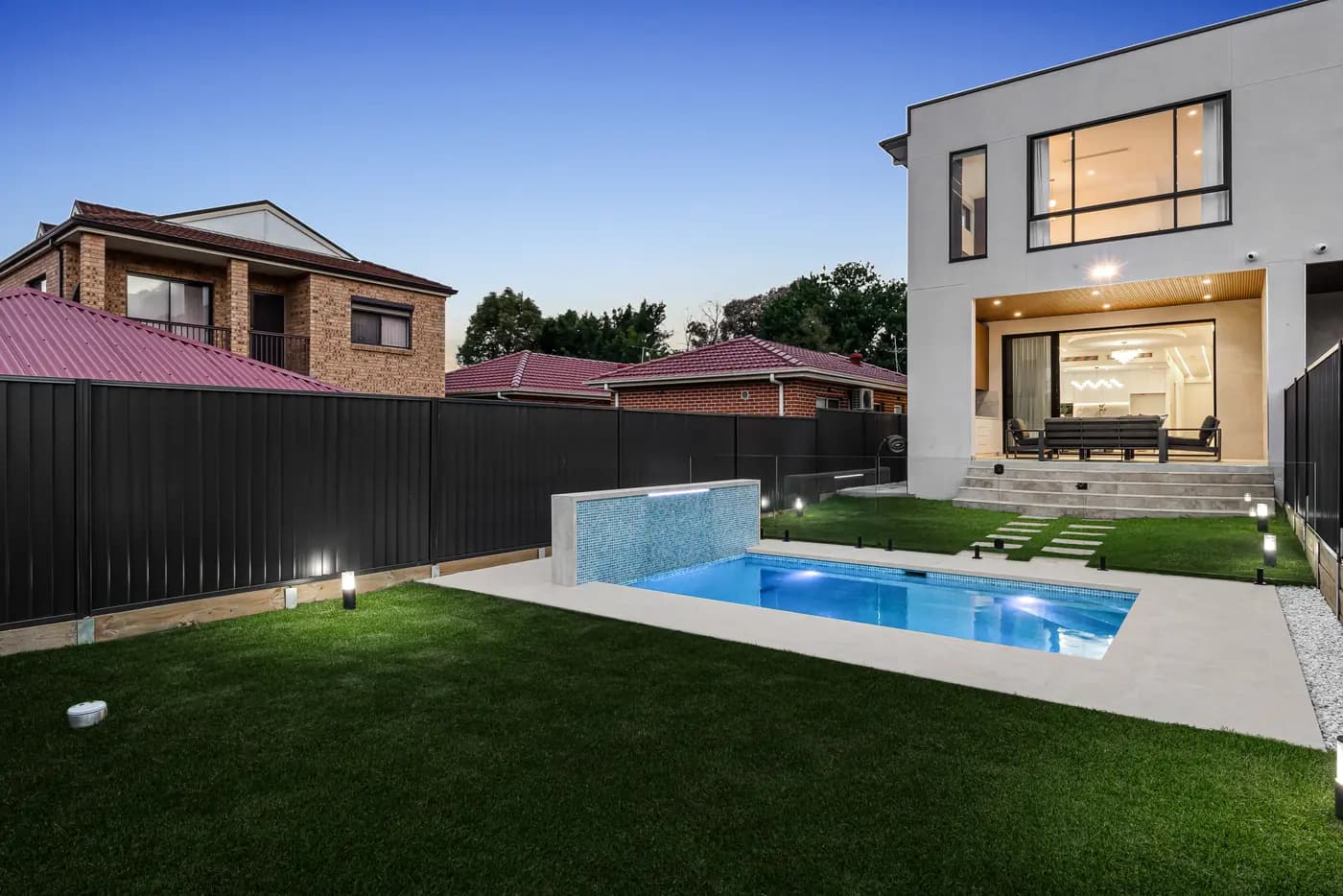
Design Advantages of Corner Blocks
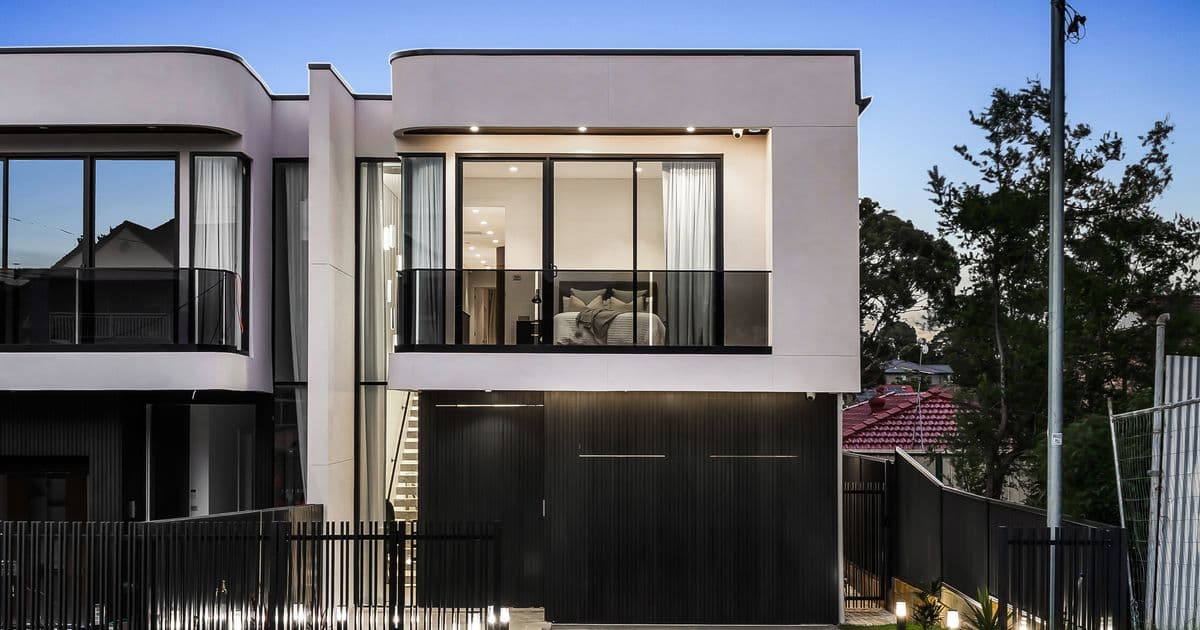
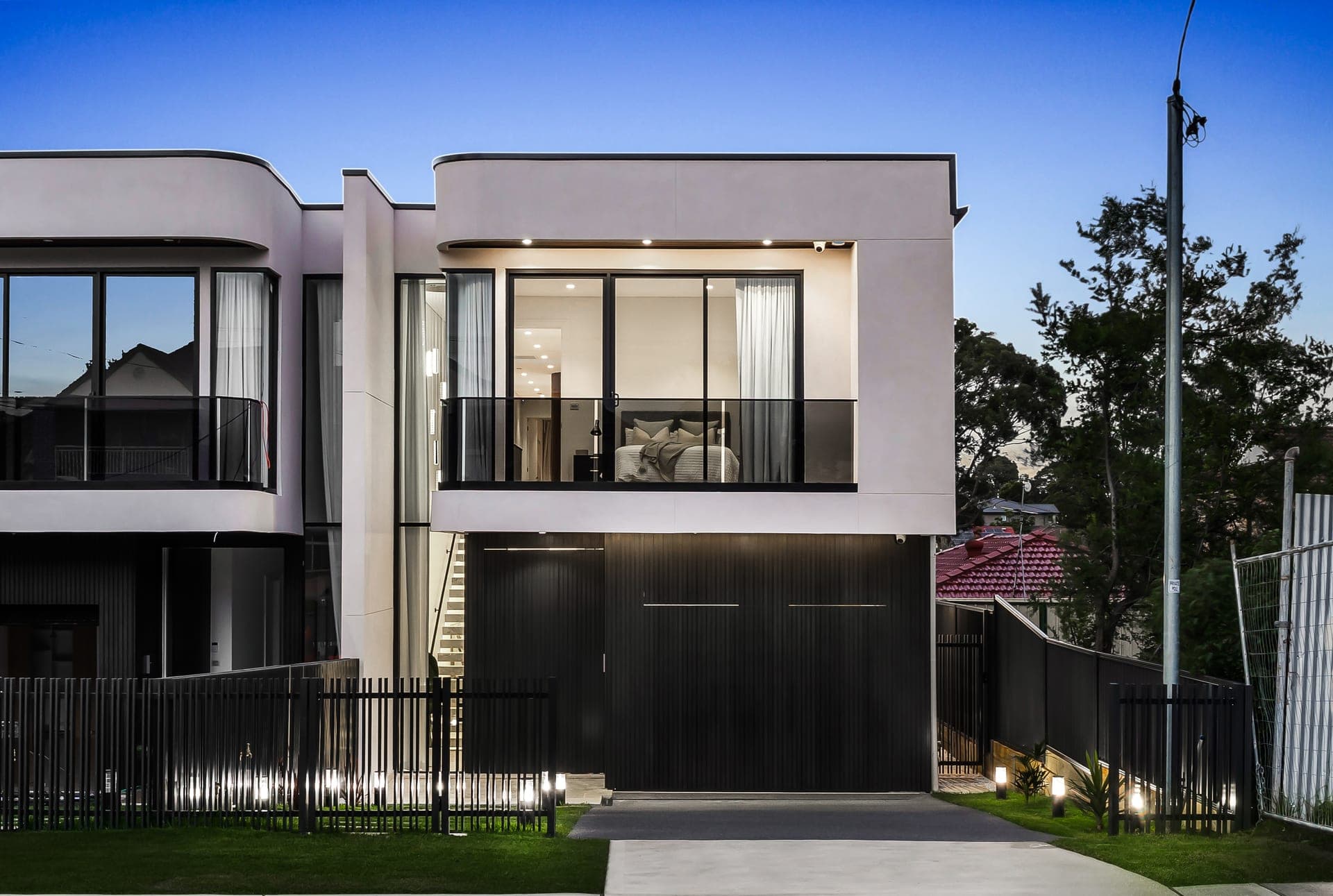
1. Dual street address. Each dwelling can have its own street address — one on each street. This gives each dwelling a sense of being a standalone house rather than half a duplex. Buyers and tenants prefer properties with direct street frontage.
2. Separate access. Each dwelling can have its own driveway from a different street. No shared driveway means no shared access disputes and easier Torrens title subdivision.
3. Better natural light. With two street frontages, the building receives light from more directions. Both dwellings can have windows facing two streets plus the rear — superior to mid-block duplexes that have limited side exposure.
4. Reduced setback impact. Corner blocks often have a secondary (side street) setback that is less restrictive than a standard side setback. This effectively widens the buildable area.
5. Visual separation. The two dwellings can be designed to look like two separate houses on a corner — each addressing its street. This is dramatically different from a 'duplex look' that mid-block developments often have.
Planning a duplex in Sydney?
Free site review — we'll assess zoning, feasibility and likely build cost before you commit to design fees.
Planning Controls for Corner Blocks
Corner block-specific planning controls in Western Sydney:
• Setbacks: The secondary street frontage is treated as a second front setback in some councils (3–5m) rather than a side setback (0.9m). This slightly reduces the building envelope but the design advantages compensate.
• FSR: calculated on the full block area — no penalty or bonus for corner location. A 600 sqm corner block with 0.5:1 FSR = 300 sqm total floor area, same as a mid-block 600 sqm block.
• Active frontage: some councils require the building to address both streets — no blank walls facing the secondary street. This is usually a design benefit, not a constraint.
• Crossover limits: council may restrict driveway crossovers near the corner (typically no crossover within 6m of the corner). Design the driveways away from the intersection.
Corner blocks in Fairfield, Liverpool and Canterbury-Bankstown are some of the best duplex development sites in Sydney. If you own one or are considering purchasing one, contact Buildana for a free assessment.
Cost and Value Implications
Corner block duplexes cost slightly more to build — the secondary street frontage requires additional external wall treatment, potentially a second driveway and crossover, and additional landscaping.
Additional cost: approximately $15,000–$30,000 for second driveway, additional fencing, and secondary street landscaping.
However, the value premium is substantial: • Each dwelling has its own street address — adds $20,000–$50,000 in perceived value • Separate driveways — no shared access means easier and cheaper subdivision • Detached configuration is feasible — each dwelling sits separately on its part of the corner with no party wall • Corner block premium in resale — corner properties consistently sell for 5–10 per cent more than mid-block equivalents
For corner block suitability assessment, block size requirements, and the full duplex building process, see our complete guide to building a duplex in Sydney. Contact Buildana for a free assessment.