
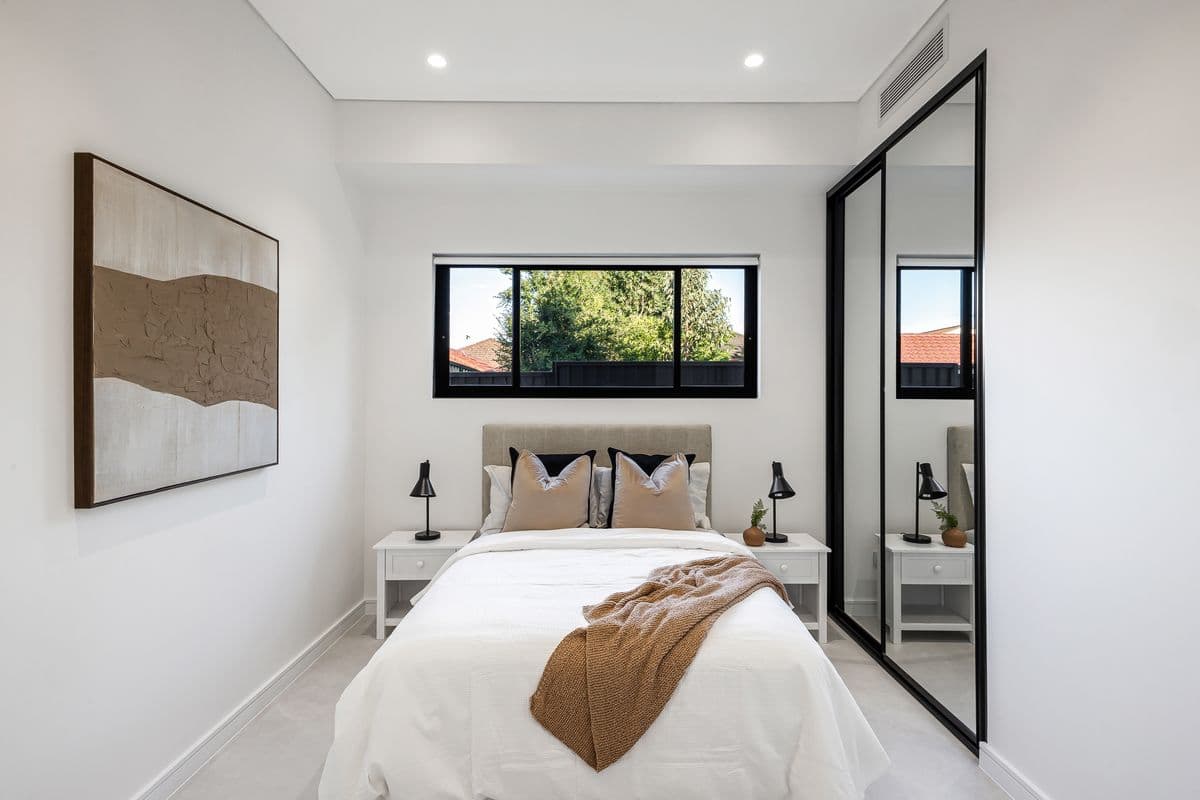
Insights · Duplex · Feasibility
Duplex Investment Returns: Build to Sell, Keep or Both?
A duplex makes money in the feasibility, or it doesn't make money at all.
By the time the slab's poured, your return is mostly decided. It was set by what you paid for the land, what the design lets you sell, and how honestly the costs were counted. I run a rough feasibility for every owner who asks about a duplex. This is that method, laid out so you can do it yourself.
Short answer
Is building a duplex a good investment in Sydney?
It can be, when the combined value of the two finished dwellings comfortably exceeds the land value plus every cost: demolition, design, approvals, construction, contributions, finance, subdivision, selling costs and tax. Developers commonly look for a margin on cost around 15 to 20 percent to cover risk. Many owners sell one half to clear debt and keep the other as a home or rental.
Written and reviewed by Oliver Alameri
Licensed builder, NSW Contractor Licence 487805C · Founder, Buildana
Fact-checked
The feasibility, in one line
End value of both dwellings, minus total cost, equals profit. Divide profit by total cost and you've got margin on cost. That's the number developers actually watch.
End value means what each finished dwelling would sell for in your street, as a new build, backed by recent sales of comparable new duplexes. Not the agent's best-case figure. Not what the house next door sold for in a hot month.
Total cost means everything: land at today's value, demolition, asbestos, design, reports, approvals, construction, contributions, driveways, landscaping, service connections, subdivision, finance interest, agent fees, marketing and any GST on the sale. Miss one and the margin's wrong.
- End value from comparable new-build sales
- Land at current market value, not purchase price
- Every soft cost, not just the build contract
- Finance, selling costs and tax on the way out
An illustrative feasibility
Made-up numbers, to show how thin the line can be.
Land worth $1,000,000. Construction, site works and landscaping $900,000. Design, approvals, contributions, subdivision, finance and selling costs another $200,000. Total: $2.1 million.
If each half sells for $1.2 million, that's $2.4 million in, $300,000 profit before tax, and a margin on cost of about 14%. Decent money, but under the usual target for the risk involved.
Bump each sale to $1.25 million and profit climbs to $400,000, about 19%. Drop each to $1.15 million and it's $200,000, under 10%. A small move in end value swings the whole result, which is why the comparable sales matter more than anything else on the sheet.
Five percent on the sale price can be the difference between a good project and a year of stress for nothing.
Want a builder's feasibility on your lot?
Send the address. I'll give you the build cost side, what the lot allows, and a rough margin range so you can decide whether to go further.
0476 300 300Why so many owners sell one and keep one
It's the most common plan I hear, and it often makes sense. Selling one dwelling can pay down most of the construction loan. The other becomes a new home to live in or a rental with low debt against it.
It also spreads the risk. You're not relying on two sales in one market window, and you keep an asset that benefits from long-term growth.
It does need Torrens title or strata subdivision so each dwelling can be sold separately. Build that into the approvals from day one, because retrofitting a subdivision to an approved design is slow and expensive.
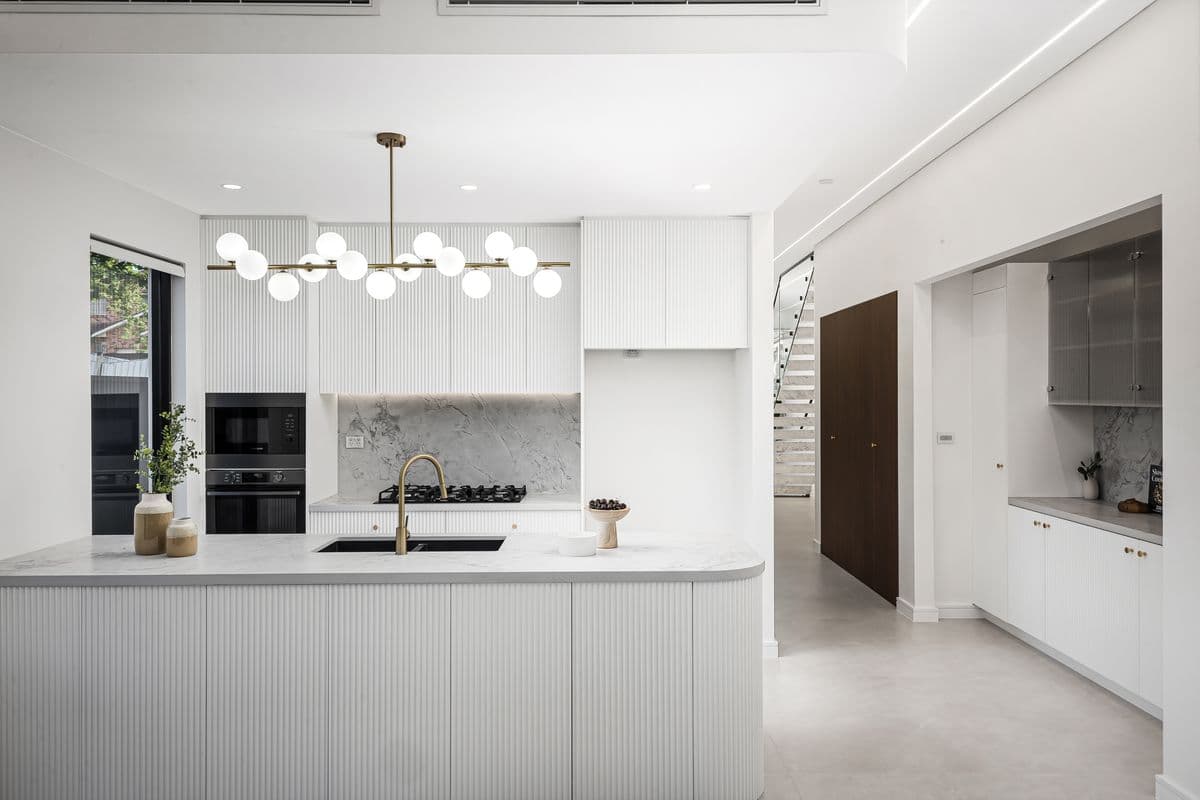
Tax is part of the return
Selling new residential property can bring GST into play, depending on whether the ATO sees your project as an enterprise. The margin scheme can reduce the GST payable. Income tax or capital gains tax applies to the profit, and whether you live in one half changes the picture again.
I'm not an accountant and this isn't advice. But I've seen more duplex returns damaged by tax surprises than by construction problems. Talk to a property accountant before you buy the land, not after you sell.
Where duplex returns get lost
Paying too much for the land. If the land price already assumes the duplex profit, there's nothing left for you.
Designing for yourself instead of the buyer. Buyers in each suburb want particular things: bedroom count, garage, yard size, a main bedroom downstairs or not. Over-spec and you won't get it back. Under-spec and it sits on the market.
Time. A slow approval or a long build adds interest every month. On a $2 million project, a few months of holding cost can take a noticeable chunk out of the margin.
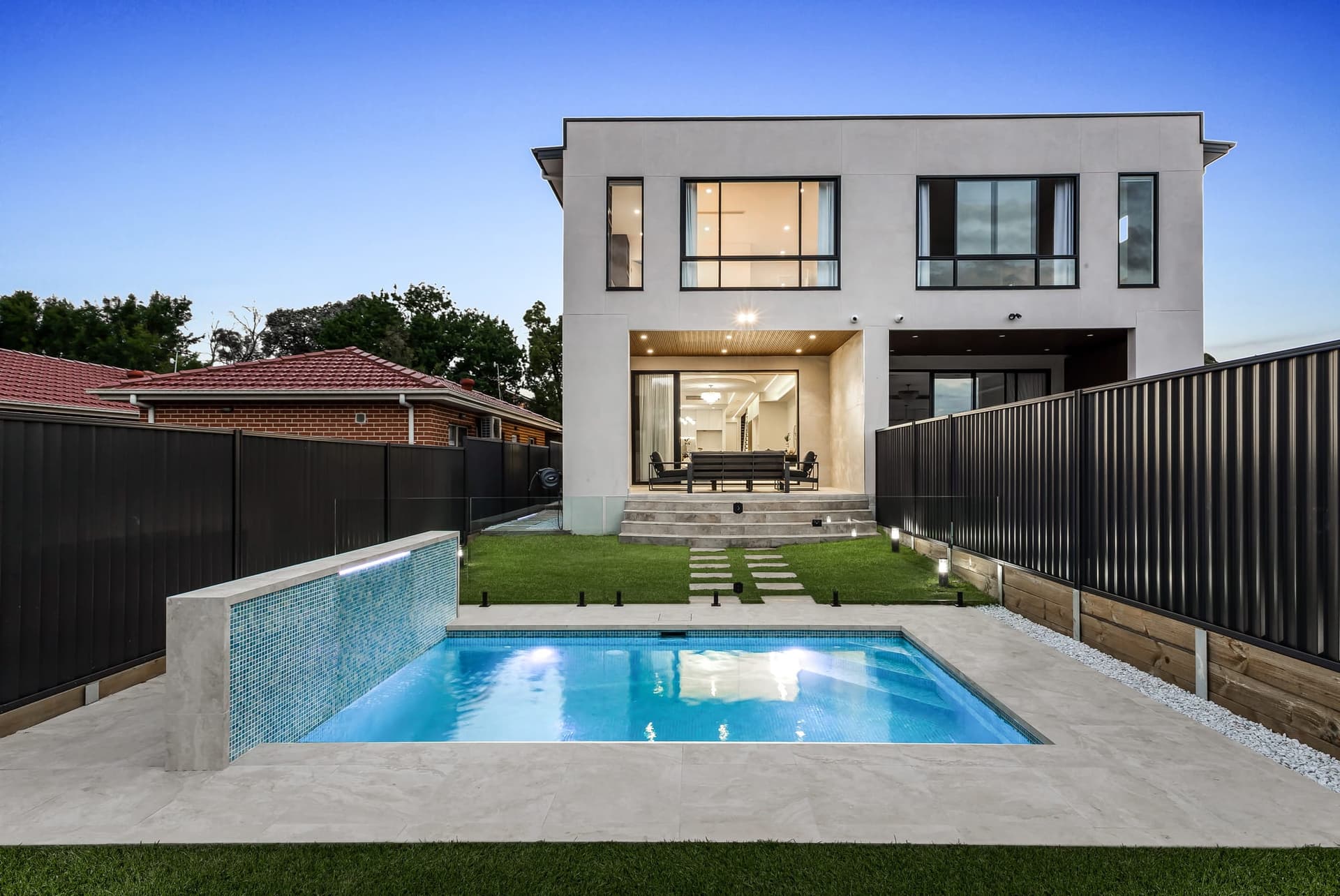
Your duplex feasibility checklist
If you can't fill in every line, the feasibility isn't finished.
- 01
Comparable sales of new duplexes in the same suburb
- 02
Land value today, not what you paid
- 03
Construction, site works and landscaping, all priced
- 04
Approvals, contributions and subdivision costs
- 05
Finance interest over the realistic timeline
- 06
Selling costs and a tax estimate from an accountant
Duplex investment questions
What margin should a duplex development make?
Many developers look for 15 to 20 percent margin on total cost to cover risk. Owners who already hold the land sometimes accept less, but should still count the land at market value.
Is it better to sell both or keep both?
Selling both realises the profit but triggers tax. Keeping both builds long-term wealth but needs strong cash flow. Selling one and keeping one is a common middle path.
Do I pay GST when I sell a new duplex?
Possibly. It depends on whether the project counts as an enterprise and on your GST registration. The margin scheme may reduce it. Get advice from a property accountant early.
How long does a duplex project take from start to sale?
Allow for design and approvals, roughly a year of construction, then subdivision registration and the sale campaign. Delays at any stage add interest cost.
Sources and references
Costs are from the Rawlinsons handbook with the local cost index applied; rules and timeframes are checked against the sources below.
Know your margin before you pour the slab.
A duplex feasibility grounded in real build costs for your lot.