
Insights · Duplex · Investment
Building a Duplex vs Buying Two Investment Properties (2026)
Both get you two homes. One is a purchase you can inspect before you pay. The other is a project you have to finish before it earns anything.
Investors weigh this up all the time: one lot and a build, or two existing homes bought on the market. I build duplexes, so I can tell you what the build side costs, how long it takes and what you end up owning. I can't tell you what either option will be worth, so this page lists the questions for the valuer, accountant and lender who can.
Short answer
Is it better to build a duplex or buy two investment properties?
Neither is better in general. Buying two homes gets you rent sooner and no construction risk, but two purchases and older buildings. Building a duplex means one land purchase, two new homes under statutory warranties and a longer wait for income. Compare both with a valuer, an accountant and your lender before deciding.
Written and reviewed by Oliver Alameri
Licensed builder, NSW Contractor Licence 487805C · Founder, Buildana
Fact-checked
Two different purchases, not two prices
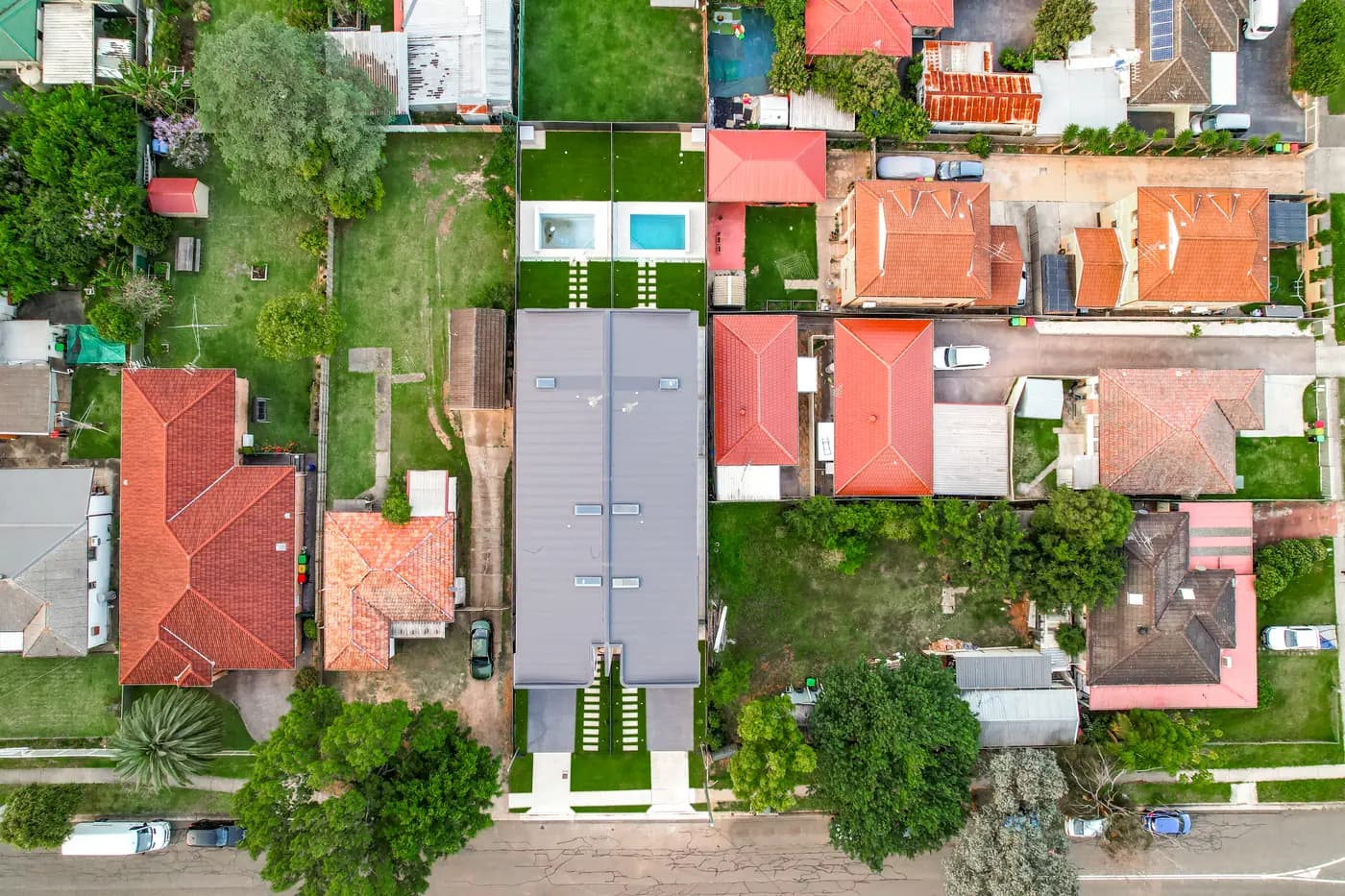
The two options look alike on paper because they both end with two homes. They aren't alike in how you get there. Buying two established properties is two transactions: you inspect, negotiate, settle and lease. Building a duplex is one land purchase, or a lot you already own, followed by design, approval, construction and possibly subdivision.
The duplex option also depends on the land. Dual occupancies have been permitted in the R2 zone right across NSW since 1 July 2024. Within 800m walking distance of a listed Low and Mid-Rise Housing area, the state standard is a lot of 450m² and 12m wide. Elsewhere the council sets the minimum: 600m² and 15m of frontage under Parramatta LEP 2023, cl 4.1C, for example, or 550m² under Cumberland LEP 2021, cl 4.1B.
So the comparison starts with a lot that qualifies. If you don't have one, the duplex option includes finding and paying for one that does, and that search can take longer than buying two ordinary homes.
What you pay for, and when you pay it
With two established homes, most of the money moves at two settlements. Each purchase is assessed for transfer duty by Revenue NSW, so you face two duty assessments, two sets of conveyancing and two building and pest inspections. Revenue NSW has a calculator for the duty on each.
With a duplex, the land purchase carries its own duty, and then the spending is spread out. Demolition, design, reports, approval fees and contributions come before the build. The build is paid in stages, and Buildana's allowance for the whole attached four-bedroom pair is $1.4M–$1.7M + GST, with land, site works, approvals and contributions on top. Rawlinsons' two-storey full brick townhouse rate, the closest published basis, is $3,030–$3,270/m² at a medium finish and $3,430–$3,700/m² at a high finish, Sydney, excluding GST, escalated to the ABS September 2026 index.
In NSW the builder's deposit is capped at 10%, and on work of $20,000 or more the builder must have home building compensation cover in place before taking any money. Ask your conveyancer whether anything in your own arrangement, such as buying land and a build package from the same seller, changes what is dutiable.

Want the build side priced for your lot?
Send the address and what you'd want to build. Oliver will respond within 4 working hours for a free initial conversation about what the lot allows and what the build involves.
0476 300 300How long before the first rent arrives
An established home can usually be leased soon after settlement, once it's ready for a tenant. The rent starts covering the loan from early on.
A duplex earns nothing until it's finished. Approval comes first: a CDC must be decided within 20 days where neighbours are notified (10 days otherwise), and a DA has a 40-day assessment period, and both clocks start only once the design and reports are done. Then the build: the ABS average build for new NSW townhouses and semi-detached homes was 3.45 quarters in 2025-26, the closest ABS category to a duplex. After that, occupation certificates and, if you want them, separate titles.
Through all of that you're paying interest on the land and on each construction draw, plus rates, insurance and possibly land tax, with no rent coming in. That holding cost belongs in the comparison as a real number from your lender, not a guess.
Two existing homes can earn from the start. A duplex earns nothing until the last certificate is issued.
What you end up owning
A new duplex gives you two new homes built to current rules. New homes in NSW have needed a BASIX certificate with a 7-star NatHERS minimum since 1 October 2023. The builder's work carries the Home Building Act statutory warranties: 6 years for major defects and 2 years for other defects.
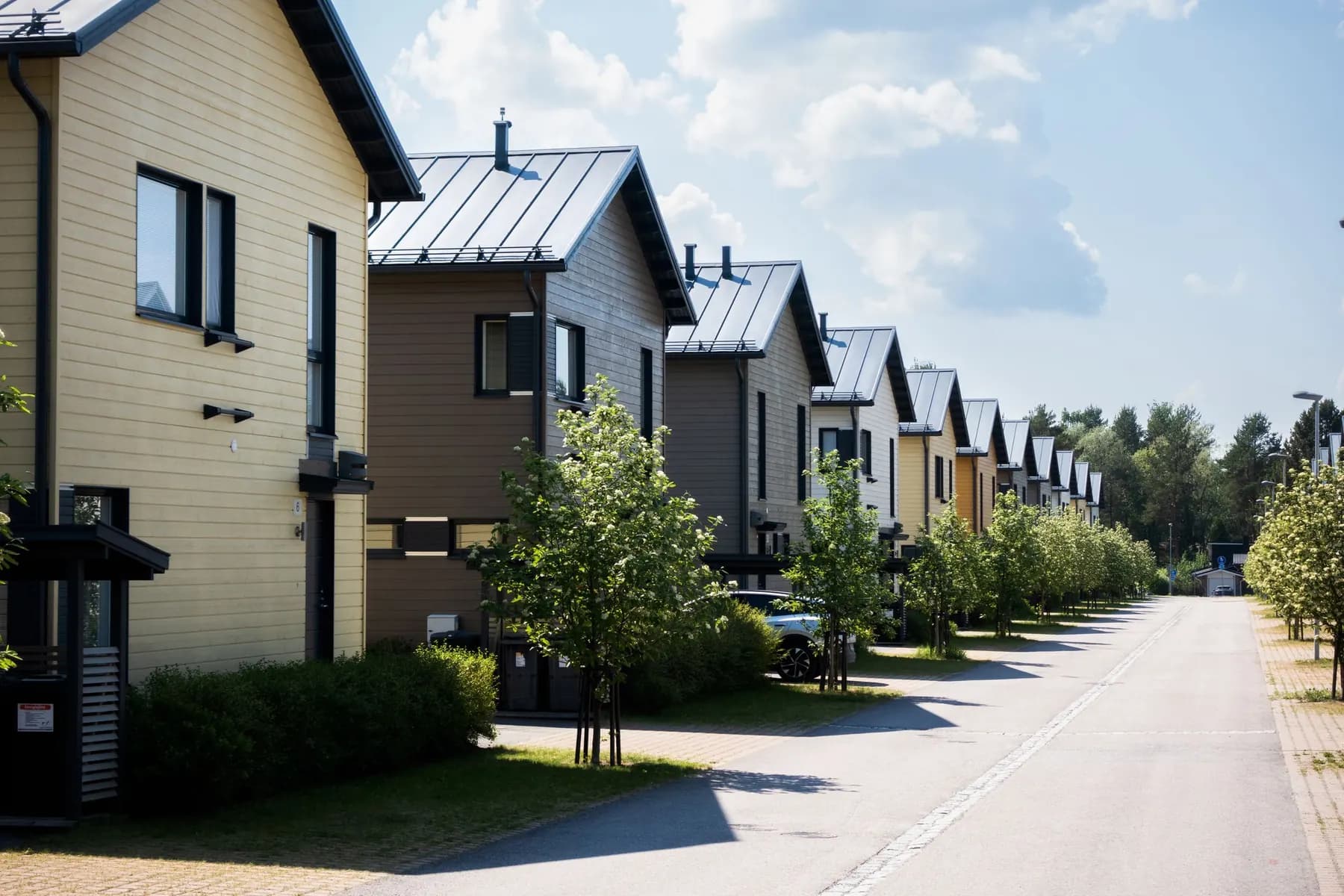
Two established homes are whatever age and condition they are. A building and pest inspection tells you what's visible on the day, not what the next decade of maintenance will cost. They may also be in two different suburbs, which spreads your risk across two streets and two markets. A duplex puts both homes on one lot, in one street, on one market.
Titles matter here. Two purchased homes come on their own titles. A duplex may be on one title unless you subdivide, and some councils don't allow it. In The Hills, clause 4.1C of The Hills LEP 2019 bars subdividing a new dual occupancy onto separate lots. Within the Low and Mid-Rise areas, the state rules allow lots of 225m² and 6m wide for a dual occupancy subdivision.
Risk, side by side
Neither option is safe. The risks are just different, and they land at different times.
- Buying two: you pay market price on day one and inherit whatever the buildings hide
- Buying two: two purchases, two duty assessments and two sets of loan paperwork
- Building: approval risk, because conditions or refusals change the design
- Building: construction risk, managed by the contract, the certifier and HBC cover
- Building: interest with no rent until both homes are finished
- Building: selling one half later depends on getting separate titles
Questions for the valuer, accountant and lender
Ask a valuer to look at both options on the same day: what the two established homes you're considering are worth, and what the two new homes on your lot would be worth on completion, on one title and on two. Ask which recent sales they're comparing against.
Ask your accountant how each option is treated for tax. New and established homes can be treated differently for depreciation, and a lot with two homes can be treated differently for land tax. Ask about GST if you might sell one new home, and whose name each property should sit in.
Ask your lender or broker how it would fund each one: a construction loan drawn in stages for the duplex, or two purchase loans for the established homes. Ask how it would value the finished duplex, and how it counts rent that doesn't exist yet when it assesses what you can borrow.
Before you choose a side
If you can't fill in each of these for both options, the comparison isn't finished yet.
- 01
A qualifying lot, confirmed on the section 10.7 planning certificate
- 02
Transfer duty for each purchase from the Revenue NSW calculator
- 03
A builder's price for the duplex from drawings, not a flyer
- 04
Holding costs over the approval and build, from your lender
- 05
Written rental appraisals for both options from a property manager
- 06
A valuation of both options from the same valuer
- 07
The subdivision answer from the council's LEP, if you might sell one
Duplex vs two properties questions
Is it cheaper to build a duplex than to buy two houses?
It depends on the land and the market. The build side of a duplex is $1.4M–$1.7M + GST on Buildana's allowance for an attached four-bedroom pair, before land and site costs. The price of two established homes comes from the market, so ask a valuer to compare both.
Do I pay stamp duty twice if I buy two properties?
Each purchase is assessed for transfer duty separately by Revenue NSW. With a duplex, duty is assessed on the land you buy. Use the Revenue NSW calculator for both and have your conveyancer confirm the figures.
Which option gets rent sooner?
Buying established homes, because they can be leased soon after settlement. A duplex has to be approved and built first: the ABS average build for new NSW townhouses and semi-detached homes was 3.45 quarters in 2025-26, before occupation certificates.
Can I sell one half of a duplex later?
Only if it can be put on its own title. Within the Low and Mid-Rise areas the state rules allow subdivision into lots of 225m² and 6m wide. Some councils, such as The Hills, bar separate titles for a new dual occupancy.
Do you give investment advice?
No. Buildana is a builder. Oliver can tell you what the lot allows, what the build costs and how long it takes. Values, tax and lending are for your valuer, accountant and lender.
Sources and references
Costs are from the Rawlinsons handbook with the local cost index applied; rules and timeframes are checked against the sources below.
- Rawlinsons Australian Construction Handbook, Rawlhouse Publishing
- Environmental Planning and Assessment Act 1979 (NSW)
- State Environmental Planning Policy (Exempt and Complying Development Codes) 2008
- BASIX, NSW Planning Portal
- Home Building Act 1989 (NSW)
- Nationwide House Energy Rating Scheme (NatHERS)
- NSW Planning Portal Spatial Viewer (zoning, FSR and hazard maps)
- Low and Mid-Rise Housing areas, NSW Planning
- Transfer duty, Revenue NSW
- HBCF Certificates Register, Verify NSW
- The Hills LEP 2019, cl 4.1A and 4.1C (AustLII)
- City of Parramatta
- Cumberland City Council
Price the build before you compare
Send the address. Oliver will respond within 4 working hours for a free initial conversation.