

Insights · Contracts · Insurance
Home Warranty Insurance in NSW and Your Cover During a Build
Three policies protect a building project. Owners usually know about one.
There's the home warranty cover the law makes your builder buy. There's the builder's own insurance on the works. And there's your home and contents policy, which may quietly stop covering you the day demolition starts. Here's who covers what, and the checks worth ten minutes before you pay a deposit.
Short answer
What is home warranty insurance in NSW and when is it required?
Home warranty insurance in NSW is the Home Building Compensation Fund, run by icare. It's required for most residential building work over $20,000, and your builder must give you the certificate before work starts or you pay anything, including a deposit. It's last-resort cover if the builder becomes insolvent, dies, disappears, or loses their licence for ignoring a money order, capped at $340,000.
Written and reviewed by Oliver Alameri
Licensed builder, NSW Contractor Licence 487805C · Founder, Buildana
Fact-checked
Policy one: the Home Building Compensation Fund
What most people call home warranty insurance is the HBCF, administered by icare. Under the Home Building Act, a builder can't start a residential job over $20,000, or take any payment for it, until the cover is in place and you've been given the Certificate of Insurance.
It is not everyday insurance. It only responds when your builder can't: they've become insolvent, died, disappeared, or had their licence suspended for not complying with a tribunal or court order to pay you. While the builder is still trading, you deal with them, or with NSW Fair Trading and the tribunal.
When it does apply, it can cover a lost deposit, the cost to complete unfinished work, and the cost to fix defects. Major defects are covered for up to six years from completion, other defects for two years, and incomplete work for 12 months from when it stopped. The cap is $340,000 per policy, and it stays with the property if you sell.
- Builder insolvent, dead, disappeared, or licence suspended over a money order
- Lost deposit and cost to complete unfinished work
- Major defects up to 6 years, other defects up to 2
- Maximum $340,000, shared across all owners of the property
Check the certificate before any money moves
The certificate should show your name, the property address and the contract details. Then check it independently: the HBCF Certificates Register on Verify NSW shows whether a policy was issued for your address, which builder is insured and whether any claims have been paid.
It takes a few minutes. If the certificate doesn't exist on the register, don't pay the deposit.
And on the deposit itself: section 8 of the Home Building Act caps it at 10% of the contract price for residential building work. Asked for more? That tells you something.
No certificate, no deposit. It's the cheapest protection you'll ever get.
Want a second pair of eyes on your contract?
Send me the contract and certificates you've been given. I'll point out anything missing on insurance, deposits or progress payments before you sign.
0476 300 300Policy two: the builder's insurance on the works
While the house is going up, the half-built structure, materials on site and the work done so far need protecting against fire, storm, theft and malicious damage. That's contract works insurance, and under most residential building contracts it's the builder's job to hold it until handover.
The builder should also carry public liability cover, for injury or damage to other people's property caused by the work.
Ask for both certificates of currency before work starts, and check the sums insured are high enough for your contract. It's a routine request. A good builder won't mind.
Policy three: your own home and contents
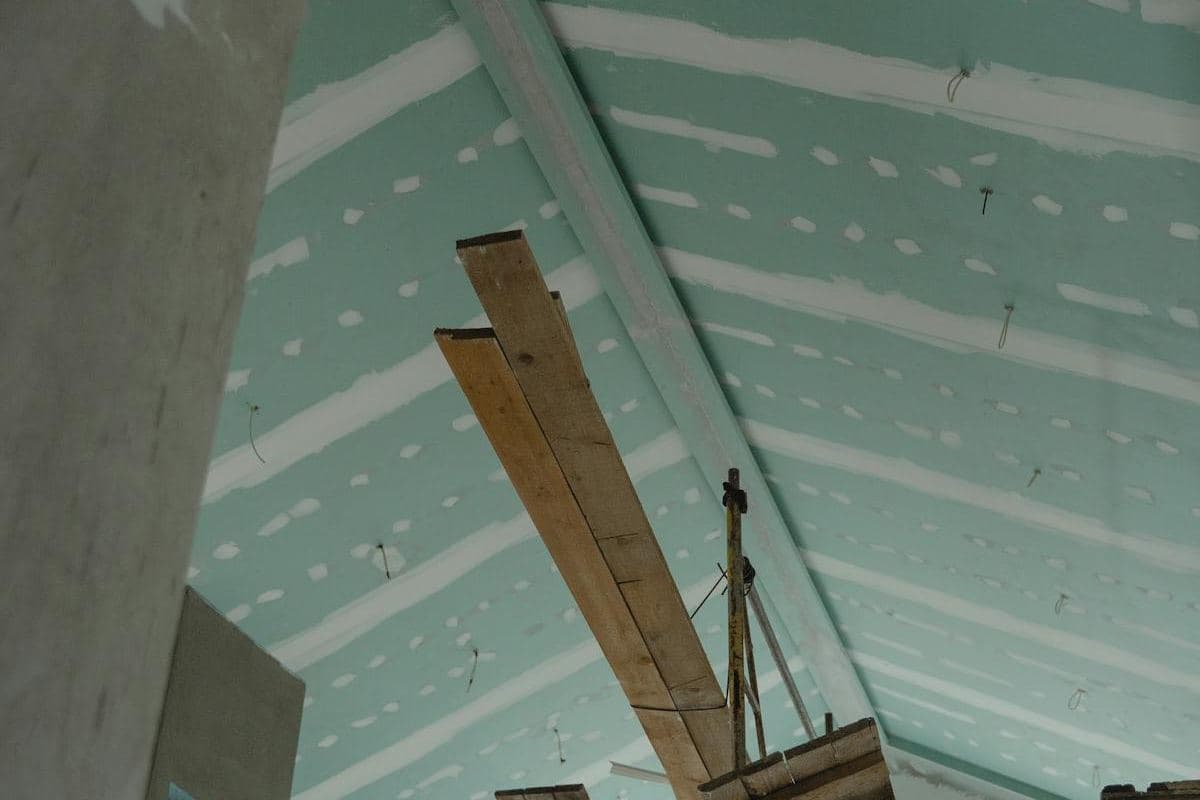
Here's where owners get caught. If you're renovating a house you live in, tell your insurer before work starts. Many policies restrict cover for damage caused by building work or during major renovation, and some need to be changed or endorsed.
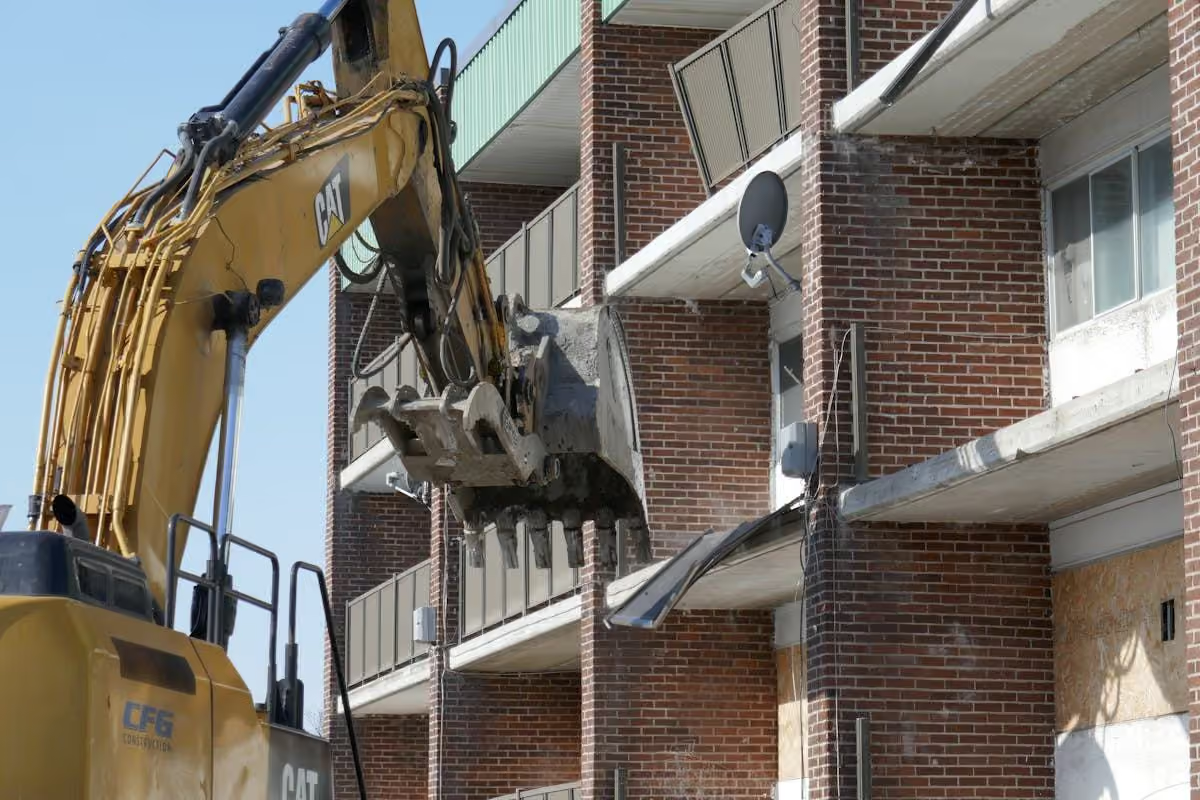
If you're knocking down and rebuilding, your existing building policy stops making sense the day the house is demolished. Many policies also limit cover when a home is left unoccupied beyond a set period. Talk to your insurer about the vacant land, any structures you're keeping, and your contents in storage.
Then, at handover, the risk passes back to you. Arrange building insurance on the new home from that day. Don't wait for the paperwork to settle.
The gap between the policies
HBCF doesn't cover disputes with a builder who's still trading, delays, design changes, or wear and tear. Contract works cover ends at handover. Your home policy may pause during construction. Put the three side by side and look for the days nobody covers.
The common gaps: the week between demolition and the builder's cover starting; the day of handover; contents while they're in a storage unit; and items you buy yourself and leave on site. Close them with a phone call before they matter.
Insurance checks before you sign
Five minutes each. All six before the deposit.
- 01
HBCF Certificate of Insurance received for your address
- 02
Certificate confirmed on the Verify NSW register
- 03
Deposit capped at a tenth of the contract price
- 04
Builder's contract works and public liability certificates sighted
- 05
Your insurer told about the renovation or demolition
- 06
Building insurance booked to start on handover day
Insurance questions during a build
Does home warranty insurance cover a builder who does bad work?
Only if the builder can no longer fix it because they're insolvent, dead, missing, or have had their licence suspended for ignoring a money order. While they're trading, you pursue the builder first.
How do I check my HBCF certificate is real?
Search your address on the HBCF Certificates Register at Verify NSW. It shows whether a policy exists, the insured builder, and any claims already paid.
Who insures the house while it's being built?
Usually the builder, through contract works insurance, until handover. Check your contract and ask for the certificate of currency before work starts.
Do I need to tell my home insurer about renovations?
Yes. Many policies limit cover during building work or when a home is unoccupied. Tell your insurer before work starts and confirm in writing what's covered.
Sources and references
Costs are from the Rawlinsons handbook with the local cost index applied; rules and timeframes are checked against the sources below.
Know who's covering what, every day of the build.
We hand over every certificate before we take a deposit, and we'll walk you through what each one covers.