
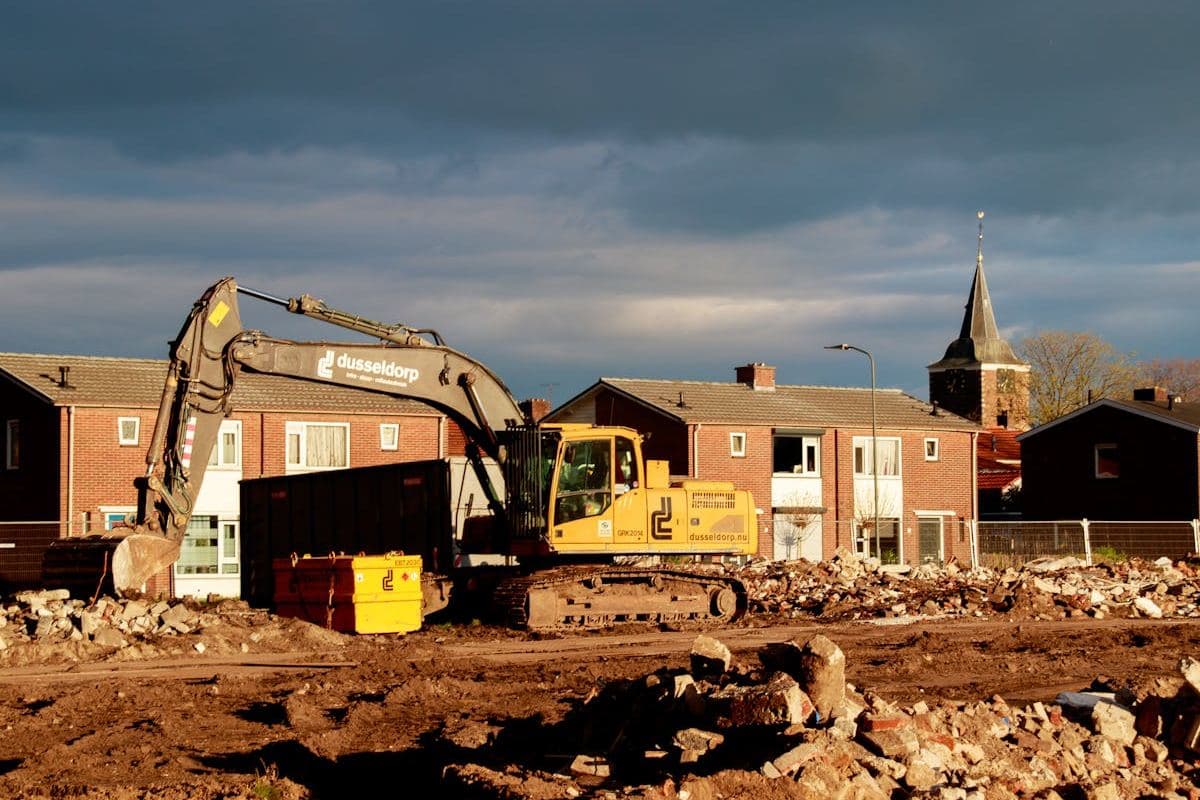
Carlingford 2118 · City of Parramatta
Demolition in Carlingford: Partial Strip-Outs for Renovations
Knock down half the house, keep the rest. Does it really save money?
Carlingford is full of 1960s to 90s brick homes on generous blocks. Owners often ask whether they can keep part of the old house, the slab, the double garage, the brick walls, and rebuild around it to cut costs. Sometimes that's smart. Sometimes it's the most expensive way to build a new home.
Short answer
Is a partial demolition in Carlingford cheaper than a full knockdown?
Sometimes. Keeping a sound slab, brick walls or part of the roof can save money, but only if what stays meets current standards and doesn't force a compromised design. Keep too little and council may treat it as a new house anyway. City of Parramatta assesses most house DAs in 11 to 15 weeks, and new floor area runs about $2,240 to $2,700 per m².
Written and reviewed by Oliver Alameri
Licensed builder, NSW Contractor Licence 487805C · Founder, Buildana
Fact-checked
What's actually worth keeping
The roof and frame, if the layout just needs opening up. That's really a gut renovation: strip the linings, move a few walls, replace services, re-line. It's often the best value where the house shape already works.
A full-brick garage or outbuilding in good condition can stay and be linked to the new work. External brick walls on a double-brick house can sometimes stay while the inside is rebuilt.
The slab is the tricky one. It looks like free money. It isn't always. Plumbing runs under it, and if the new layout moves bathrooms and the kitchen, trenching through an old slab and patching it back can easily cost more than pouring a new one, especially once you add the termite protection and moisture barrier an old slab probably never had.
- Roof and frame: keep if the house shape works
- Solid garages and outbuildings: often worth linking in
- Double-brick external walls: sometimes worth keeping
- The slab: only if the plumbing layout stays put
Keeping a slab that fights your new floor plan isn't saving money. It's paying twice.
The planning catch
If only part of the house comes down, the project can usually be treated as alterations and additions. That matters. Existing setbacks that don't meet today's rules can often stay, and BASIX applies to the new work rather than a whole new dwelling.
Take down most of the structure, though, and the certifier or council may treat it as a new house. Then current setbacks, landscaping and BASIX targets apply to everything, and an old setback concession can disappear.
Where that line sits depends on the specifics, so we check the proposal against the Parramatta controls before committing to a design.
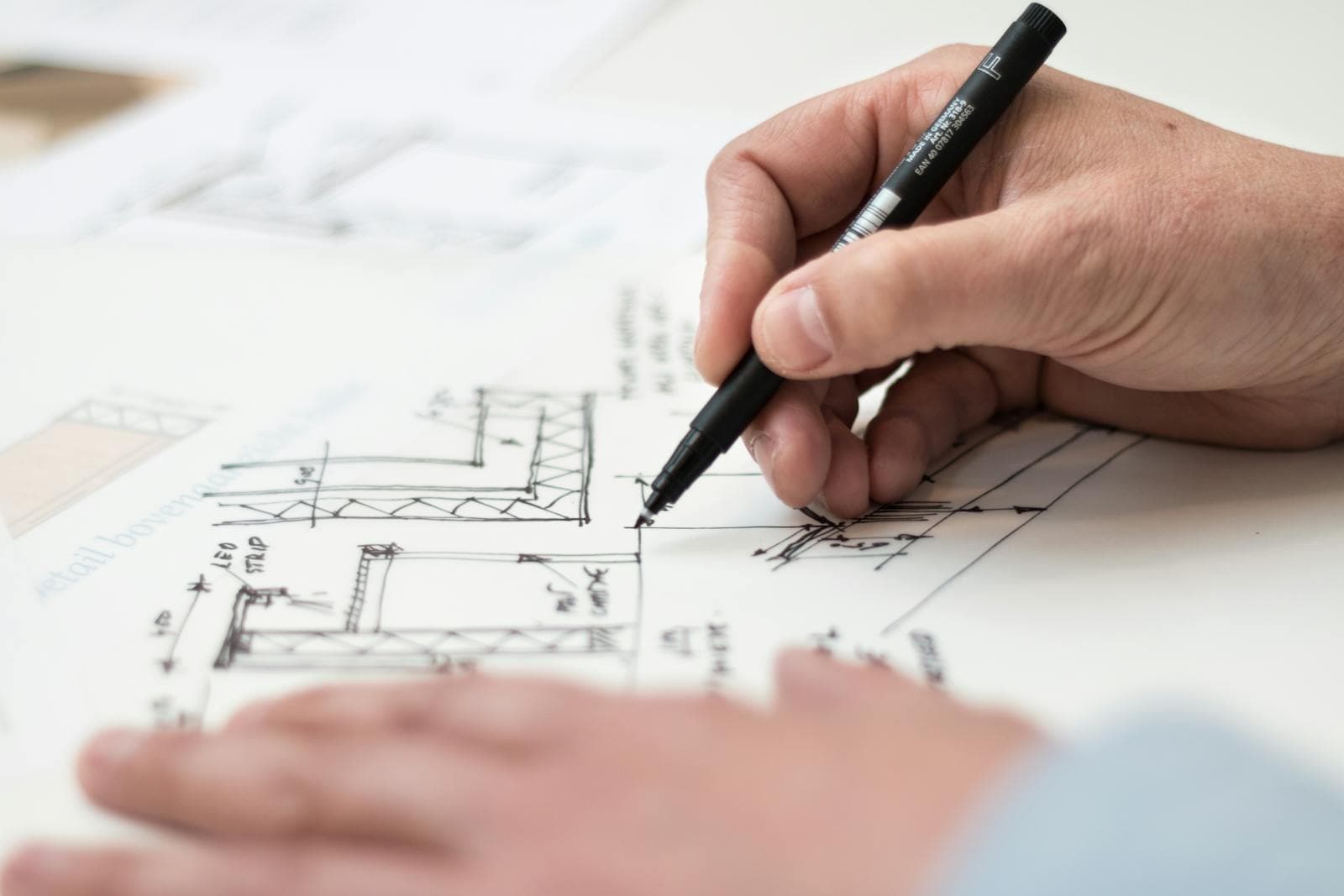
Keep part, rebuild part? Let's check the numbers.
Send me your Carlingford address and a floor plan if you have one. I'll tell you what's genuinely worth keeping and compare partial demolition against a full rebuild.
0476 300 300Engineering the part that stays
Retained walls and roofs have to be propped during demolition and checked by an engineer before new work ties in. Old footings on Carlingford's shale may need assessment if they're going to carry more load.
Where old meets new needs detail. Control joints in brickwork. Matched floor levels. A roof connection that doesn't leak. Get those wrong and the savings disappear into repairs.
Homes from the 60s to 80s bring asbestos. Test first.
Carlingford specifics
Carlingford is mostly R2, with medium and high density around the light rail corridor. City of Parramatta typically assesses a single-dwelling DA in 11 to 15 weeks outside the strategic centres.
Cost? Parramatta sits at 1.02 against Rawlinsons for Sydney, so new floor comes in near $2,240 to $2,700 a square metre, standard finish. We'll price the partial option against a full rebuild side by side. Whichever is genuinely cheaper wins.
Before deciding what to keep
Six questions that decide whether partial demolition makes sense.
- 01
Does the new layout keep bathrooms and kitchen near the existing plumbing?
- 02
Is the retained structure sound enough to carry new work?
- 03
Will the project still count as alterations and additions?
- 04
Which existing setbacks would be lost if it became a new dwelling?
- 05
What asbestos is in the parts being removed?
- 06
How does the cost compare with a full knockdown rebuild?
Partial demolition in Carlingford
Is partial demolition cheaper than a knockdown rebuild?
Sometimes. It saves money when the retained parts suit the new design, especially the roof, frame and plumbing layout. It costs more when you fight the old structure to fit a new plan.
Can I keep my existing slab?
Possibly, if it's structurally sound and the new layout keeps wet areas near the existing plumbing. Moving bathrooms usually means cutting the slab, which erodes the saving.
Does partial demolition need council approval?
Yes, as part of the alterations and additions approval, either complying development through a certifier or a DA with City of Parramatta.
When does a renovation become a new house?
When enough of the original is removed, it may be assessed as a new dwelling, bringing current setbacks and BASIX targets. We check where your proposal sits before design is finalised.
Sources and references
Costs are from the Rawlinsons handbook with the local cost index applied; rules and timeframes are checked against the sources below.
- City of Parramatta
- Rawlinsons Australian Construction Handbook, Rawlhouse Publishing
- Environmental Planning and Assessment Act 1979 (NSW)
- State Environmental Planning Policy (Exempt and Complying Development Codes) 2008
- BASIX, NSW Planning Portal
- Asbestos, SafeWork NSW
- State Environmental Planning Policy (Transport and Infrastructure) 2021
Keep what's worth keeping. Rebuild the rest properly.
An honest comparison for your Carlingford home: partial demolition versus a full rebuild, with real numbers on both.