
Telopea 2117 · City of Parramatta
Home Extensions in Telopea: Building Beside the Towers
Apartment towers across the road. Should you still extend?
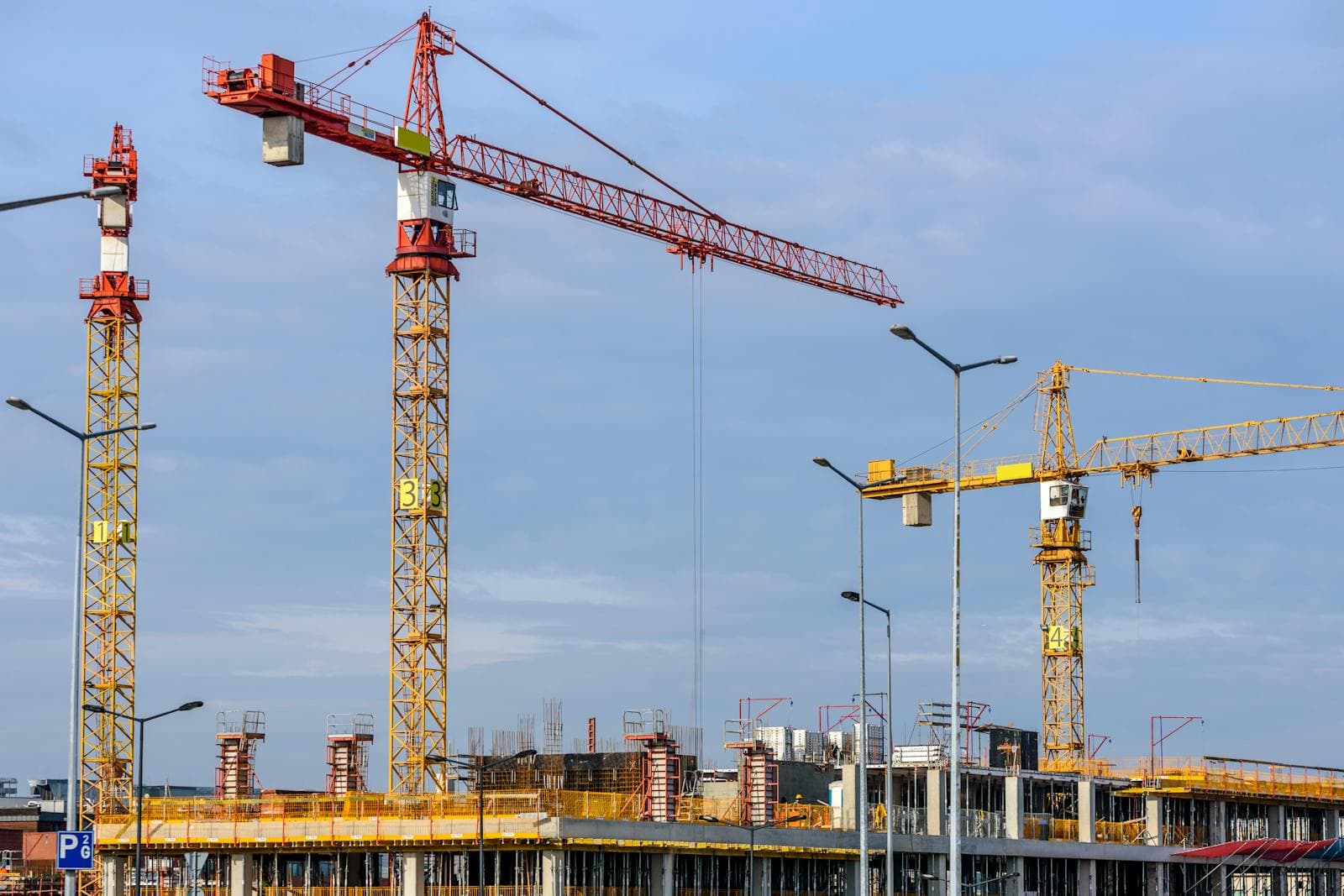
Telopea is changing fast. Around the light rail and the renewal precinct, older homes are giving way to apartment towers. On the R2 streets around the edge, 1960s brick houses on 500 to 700 square metre blocks remain. If you're staying, extending can make sense, but the context has shifted.
Short answer
Is it worth extending a Telopea house near the new towers?
Often, if your street is staying low-rise. Check the rezoning maps first, then design for privacy and light: screened or high-sill windows toward the towers, living areas turned to the garden, and a sun study that includes the new buildings. Simple rear extensions can go complying development; anything else is a Parramatta DA of 11 to 15 weeks. New space is priced near $2,160 to $2,600 per m².
Written and reviewed by Oliver Alameri
Licensed builder, NSW Contractor Licence 487805C · Founder, Buildana
Fact-checked
First question: is your street staying low-rise?
Before spending on an extension, check the zoning on your planning certificate and any recent changes to the City of Parramatta controls. Some Telopea streets are firmly low density. Others sit close to areas already rezoned for apartments or townhouses.
If your land has been rezoned for higher density, its value as a development site might outweigh any extension. If it's staying R2, an extension adds liveability and value to a house you intend to keep.
We're builders, not valuers. Get independent advice for a call this big. What we can do is hand you a clear build cost, so the numbers on the table are real ones.
Check whether your land is about to be worth more as a development site before you add a family room.
Designing for privacy and light
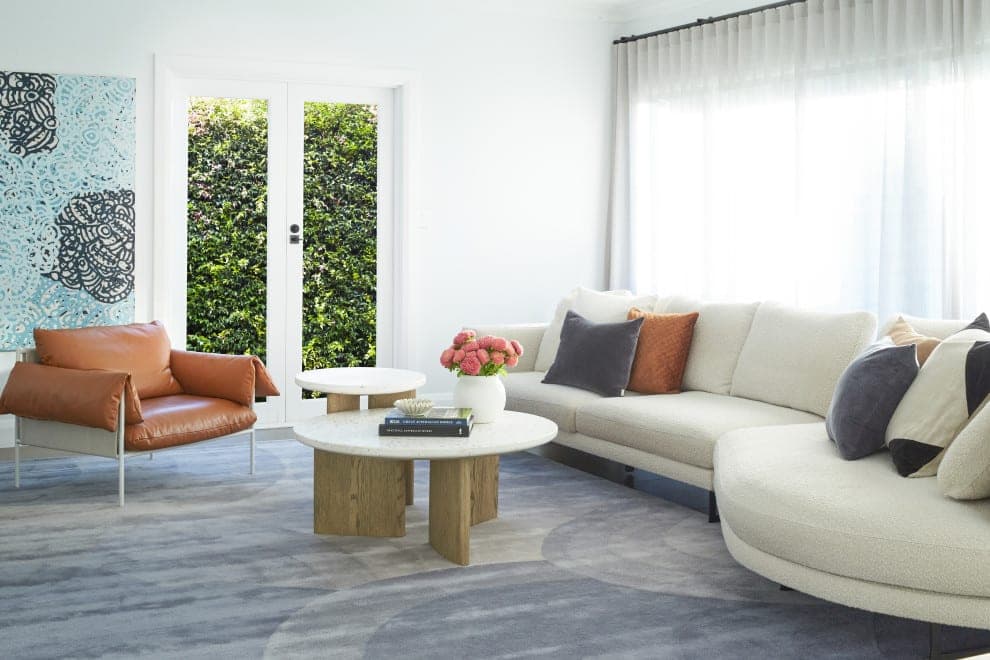
New apartment buildings bring windows and balconies that may overlook your yard. An extension can respond: a rear living area oriented to a private courtyard, high windows or screened glazing on the overlooked side, and a pergola or planting that gives shade and screening.
Overshadowing works the other way too. Taller buildings to the north can reduce winter sun, which changes where your living areas should face. We look at the sun path across the lot, including the neighbouring buildings, before placing rooms.
- Living areas turned to a private courtyard
- Screened or high-level windows on overlooked sides
- Pergolas and planting for shade and privacy
- Room placement based on the real sun path
Staying in Telopea and need more room?
Send me your address and what you're thinking. I'll check the zoning context, look at privacy and sun, and price an extension that makes sense for your street.
0476 300 300Timing around the construction
Large developments bring trucks, cranes and noise. For months. Sometimes years. That can affect access to your street, parking for trades and the timing of deliveries, so it's worth finding out what's planned nearby, and when, before you lock in your own start date.
Neighbouring excavation can also affect older homes. If a big dig is happening next door, a dilapidation report on your house before it starts protects you.
The ground in most of Telopea is shale, which keeps footing design fairly straightforward. Older homes here often have asbestos, so we test before demolition of any part.
Approvals and cost
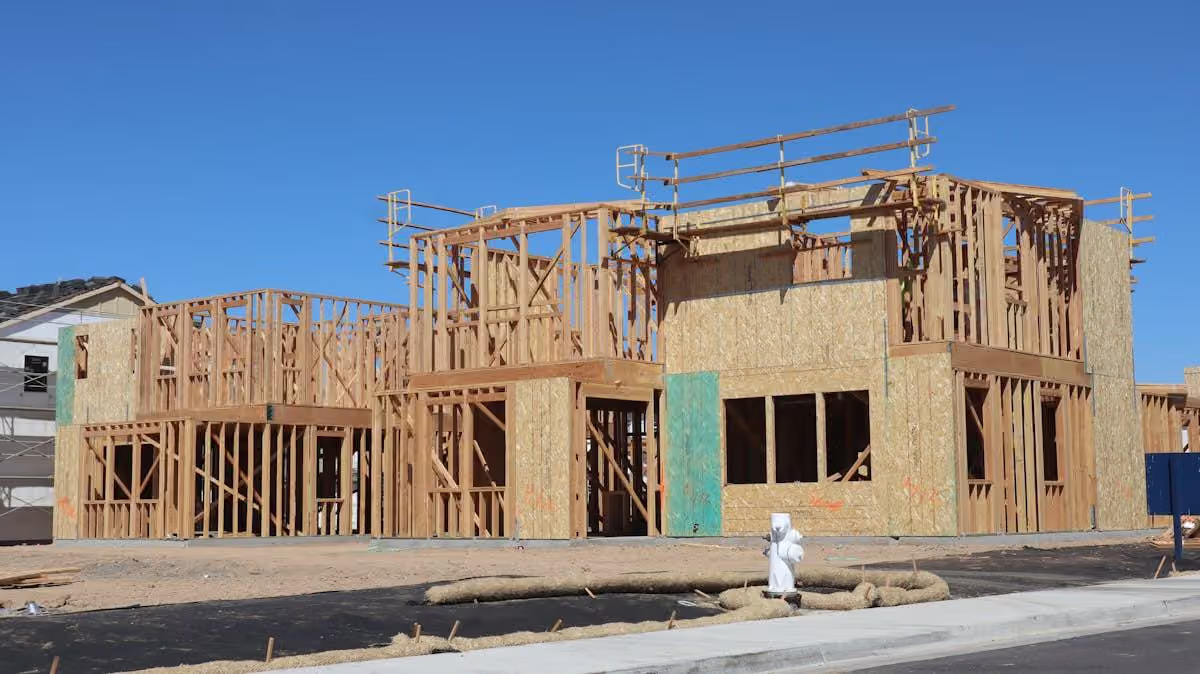
Single-storey rear extensions drawn to the state code are a certifier's job. Anything else becomes a development application, and Parramatta's planners generally need 11 to 15 weeks. Near the renewal precinct, expect them to look closely at overlooking and overshadowing, both ways.
Money-wise, Telopea sits at 0.98 against the Rawlinsons Sydney baseline. That puts new floor area near $2,160 to $2,600 a square metre for standard finishes, with kitchens and bathrooms priced on top. A plain rectangular addition stays at the low end. Lots of glass, a raked ceiling or a tricky roof junction pushes it up.
Before extending in Telopea
Six checks for a suburb in the middle of change.
- 01
Current zoning and any recent rezoning near your lot
- 02
Independent advice on development value if rezoning applies
- 03
What's planned on neighbouring sites and when
- 04
Privacy from existing or planned buildings
- 05
Sun path, including shadows from taller buildings
- 06
A dilapidation report if major excavation is happening next door
Extending in Telopea
Is it worth extending in Telopea with all the redevelopment?
If your street is staying low density and you plan to stay, often yes. If your land has been rezoned for higher density, get independent advice on its development value first.
How do I protect my privacy from new apartments?
Orient living areas to a private courtyard, use screened or high-level windows on overlooked sides, and add pergolas and planting.
What if excavation next door damages my house?
A dilapidation report before the neighbouring works start records the condition of your house, which helps if damage is claimed later.
Which approval path does a Telopea extension take?
Drawn to the code, it's a certifier's complying development certificate. Outside the code, Parramatta assesses it as a development application.
Sources and references
Costs are from the Rawlinsons handbook with the local cost index applied; rules and timeframes are checked against the sources below.
- City of Parramatta
- Rawlinsons Australian Construction Handbook, Rawlhouse Publishing
- Environmental Planning and Assessment Act 1979 (NSW)
- State Environmental Planning Policy (Exempt and Complying Development Codes) 2008
- Asbestos, SafeWork NSW
- NSW Planning Portal Spatial Viewer (zoning, FSR and hazard maps)
Your street is changing. Your home can too.
A Telopea extension designed for privacy, light and the realities of the neighbourhood around it.