
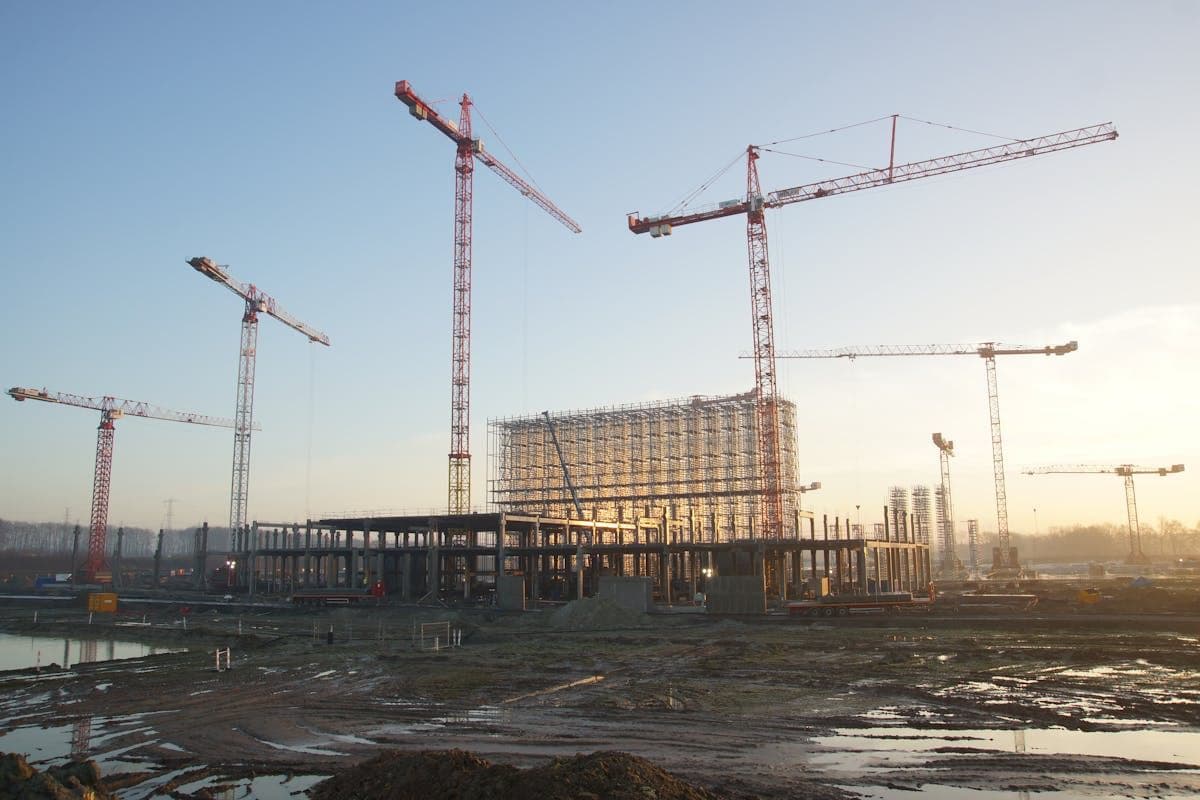
Melrose Park 2114 · City of Ryde
Melrose Park Builder: Old Industrial Land, New Homes
Before we dig in Melrose Park, we find out what the ground has seen.
For decades, the land along Victoria Road here was factories and warehouses. Now it's becoming apartment towers and parks, with a strip of 1950s to 1970s houses holding on around the edges. Most of those house lots were always residential and are fine. But the industrial history is close enough that I check every site before we quote a slab.
Short answer
Could my Melrose Park block be contaminated from past industry?
It's possible near the old industrial precinct, so start with the Section 10.7 planning certificate, then site history and soil sampling if needed. Every load of excavated soil must be classified before it leaves; clean natural soil (VENM) is cheap to dispose of, contaminated fill isn't. A Ryde new build here costs around $1,980 to $2,385 per m² mid-spec.
Written and reviewed by Oliver Alameri
Licensed builder, NSW Contractor Licence 487805C · Founder, Buildana
Fact-checked
What a Section 10.7 certificate tells you
Every NSW property has a planning certificate, issued by council under section 10.7 of the planning act. It lists zoning, overlays and a set of hazards. One of those is contamination: whether the land is declared significantly contaminated, or subject to a management order or site audit statement.
A clean certificate is reassuring, but it only records what council knows. So we also look at site history. Old aerial photos. Past uses of the lot and its neighbours. Anything that suggests fill was brought in, fuel was stored, or a workshop once stood where the backyard is now.
If anything looks off, a preliminary site investigation by an environmental consultant comes next. Soil samples, lab results, a clear answer. Under the state's Resilience and Hazards SEPP, council has to consider contamination before approving development anyway, so doing it early saves a surprise request later.
- Section 10.7 certificate, full version
- Historical aerial photos and land use search
- Preliminary site investigation if warranted
- Remediation plan only where results require it
Most house lots come back clean. I just want to know it before the excavator does.
Every truckload of soil needs a label
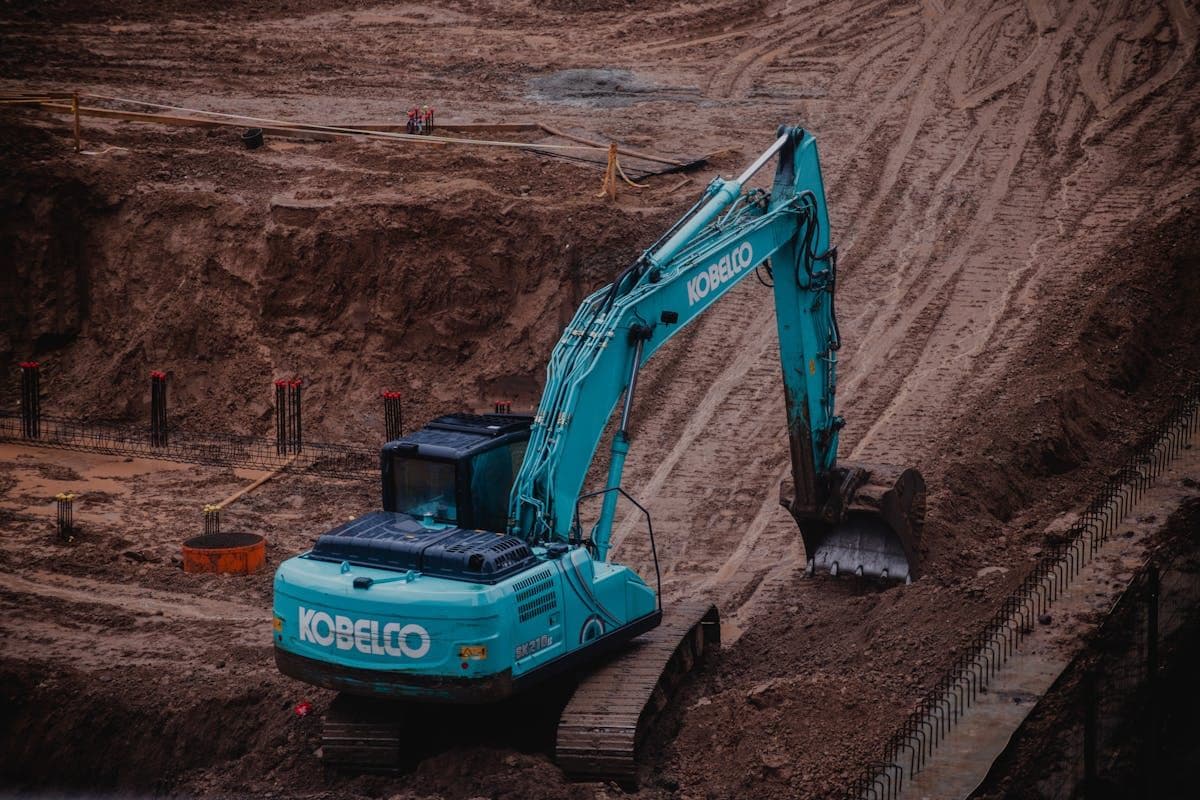
Here's a cost few owners think about. Dig footings, a driveway cut or a pool, and the spoil has to leave the site. In NSW it can't just go anywhere. It must be classified under the EPA's waste classification guidelines first.
Clean natural ground may qualify as virgin excavated natural material, known as VENM, or as excavated natural material under an EPA exemption. Both can often be reused or disposed of relatively cheaply. Soil mixed with old fill, building rubble or anything contaminated is a different story. It may be classed as general solid waste, or worse, and has to go to a licensed facility with the waste levy on top.
On a site with any industrial history nearby, the difference between those classifications can be the biggest unknown in the budget. So we sample before excavating, not while a truck waits at the gate with nowhere to go.
Thinking about building in Melrose Park?
Send the address. We'll go through the planning certificate and site history together, and I'll tell you which soil tests are worth doing and how spoil disposal could affect your budget.
0476 300 300Living next to a master-planned precinct
The big redevelopment next door changes the maths. New parks, shops and apartments nearby lift land values, and Ryde's dual-occupancy minimum of 580m² with a 15m frontage in R2 means some larger house lots could take two homes.
It also means years of construction traffic around you. If you're building at the same time, plan deliveries around the big sites' peak hours and expect some streets to be busier than the maps suggest.
For budgeting, a Ryde new build lands around $1,980–$2,385/m² mid-spec, taken from Rawlinsons Sydney figures and adjusted down for Melrose Park. Testing and any remediation sit outside that.
Melrose Park due diligence
Do these before paying for full design drawings.
- 01
Order the full Section 10.7 planning certificate
- 02
Search historical aerials and past land uses
- 03
Get a preliminary site investigation if anything's unclear
- 04
Sample the soil for waste classification before excavation
- 05
Check the 580m² and 15m frontage dual occupancy test
- 06
Plan construction access around nearby big sites
Melrose Park site questions
Could my backyard be contaminated from past industry?
Most house lots aren't. Start with the Section 10.7 planning certificate and a site history search, and if there's any doubt, an environmental consultant can test the soil.
What is VENM?
Virgin excavated natural material: clean natural soil or rock that hasn't been contaminated or mixed with waste. It's the cheapest classification to dispose of or reuse.
Why is removing soil from my site so expensive?
If the spoil contains fill, rubble or contaminants, it's classed as waste and must go to a licensed facility, with the NSW waste levy added.
Which council covers Melrose Park 2114?
The City of Ryde. Single-dwelling DAs usually take about 11–15 weeks.
Sources and references
Costs are from the Rawlinsons handbook with the local cost index applied; rules and timeframes are checked against the sources below.
Know your ground. Then build on it.
Rebuilds and new homes in Melrose Park, starting with a proper look at the land's history and where every truckload of spoil will go.