
Macquarie Park 2113 · City of Ryde
Builders in Macquarie Park: How a Safe House Site Is Run
A safe site isn't luck. It's paperwork, fencing and a builder who cares.
Macquarie Park is mostly towers, offices and the university, with a fringe of detached houses between them. Big commercial sites here get plenty of attention when things go wrong. House sites get less. They shouldn't, because falls, collapsing trenches and demolition accidents happen on homes too. Here's how a residential job should be run.
Short answer
How should a house building site in Macquarie Park be run safely?
A project over the WHS Regulation's cost threshold needs a principal contractor and a WHS management plan, and high-risk work, including anywhere a fall of more than 2m is possible, needs a SWMS. Demolition and excavation are the riskiest stages. Rawlinsons puts a mid-spec new house in Sydney at $2,820–$3,040/m² + GST, and where a DA is needed, a DA has a 40-day assessment period.
Written and reviewed by Oliver Alameri
Licensed builder, NSW Contractor Licence 487805C · Founder, Buildana
Fact-checked
What the law actually requires
The WHS Regulation in NSW says a construction project above a set cost threshold has a principal contractor. That's usually your builder. They have to prepare a WHS management plan for the site before work starts, and keep it current.
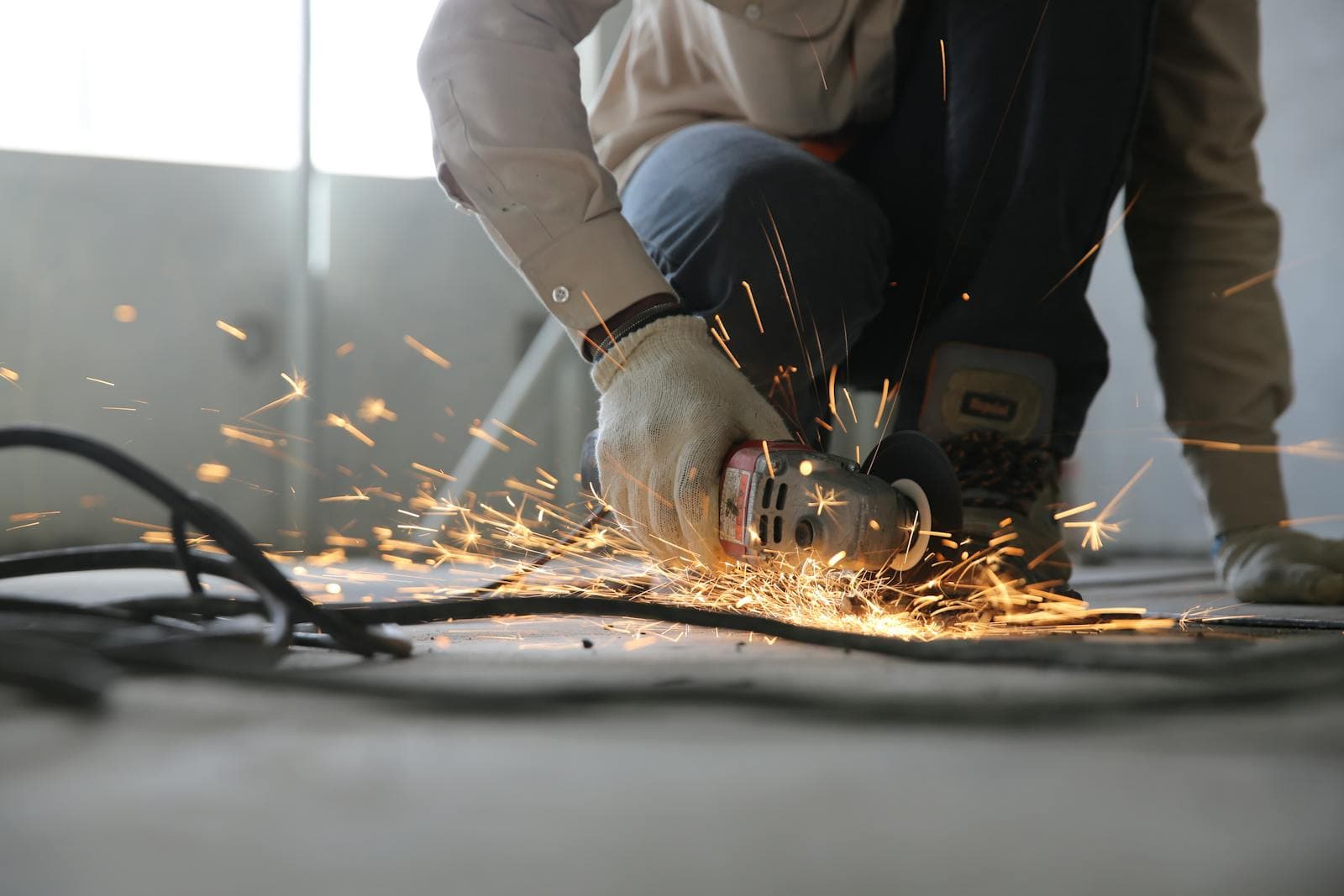
Certain tasks are classed as high-risk construction work. Working where someone could fall more than two metres. Trenches deeper than 1.5 metres. Demolishing load-bearing parts of a building. Disturbing asbestos. Work near live electrical lines. Each needs a Safe Work Method Statement, written before the task, explaining the hazards and controls, and followed on the day.
Paperwork alone keeps nobody safe. But a builder who can't show you these documents probably hasn't thought it through.
- Principal contractor named for the project
- WHS management plan on site
- SWMS for each high-risk task
- Inductions for every worker before they start
Ask to see the SWMS. A builder who hesitates has told you something.
Demolition and excavation: the riskiest stages
Most serious incidents on house jobs cluster around the start. Demolition, where walls and roofs come down in ways that aren't always predictable. Excavation, where a trench wall collapses without warning, especially in Wianamatta Shale clay after rain.
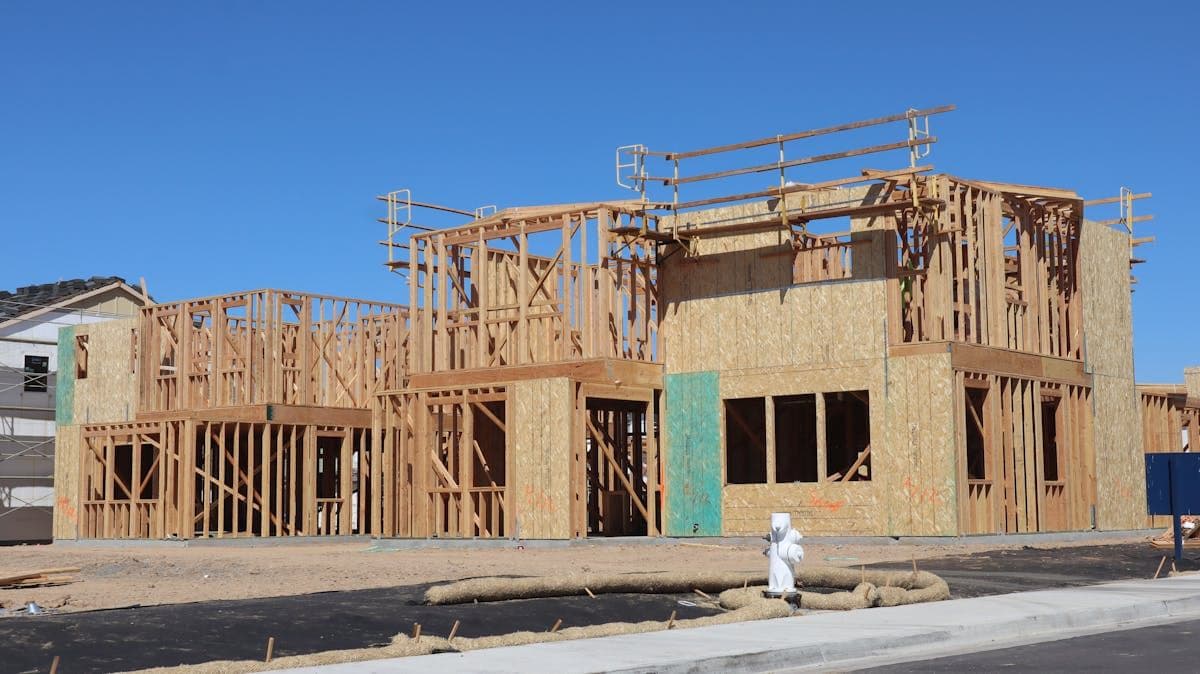
On a Macquarie Park knockdown, we fence the whole site, keep exclusion zones around the machine, and shore or batter any trench deep enough to matter. Neighbours and the public stay outside the fence. Always.
Rebuilding on the Macquarie Park fringe?
Let me know the address and what's there now. I'll walk you through approvals, the demolition plan and how we'd run the site safely, with a clear price.
0476 300 300Scaffolding, edges and the second storey
Two-storey houses are the norm on this fringe, and falls from height are the biggest killer in residential construction. Scaffold or edge protection goes up before anyone works at the upper floor or roof. It's inspected, tagged and not altered by anyone who isn't licensed to do it.
Safety costs money, and it's in our price. Scaffolding, fencing, traffic control and site amenities are all real line items. When a quote seems cheap, check whether they're included.
Rawlinsons puts a medium-finish brick veneer house in Sydney at $2,820–$3,040/m², excluding GST, escalated to the ABS September 2026 index. For a merit DA through the City of Ryde, a DA has a 40-day assessment period.

Safety questions to ask any builder
Their answers tell you how the site will run.
- 01
Who is the principal contractor on my job?
- 02
Can I see the WHS management plan?
- 03
Which tasks need a SWMS, and who writes them?
- 04
When does scaffolding go up, and who inspects it?
- 05
How will trenches and excavation be protected?
- 06
Is site safety priced in the quote?
Safety on a house build
Does a house build need a WHS management plan?
In NSW, construction projects above the cost threshold in the WHS Regulation require the principal contractor to prepare one. Most new homes and major renovations qualify.
What is a SWMS?
A Safe Work Method Statement. It's required for high-risk construction work and sets out the hazards, the controls and how the task will be done safely.
Who is responsible for safety on my building site?
The principal contractor, usually the builder, manages the site. Everyone working there also has duties under WHS law.
Can I visit my site during construction?
Yes, by arrangement with the builder, wearing proper footwear and following the site induction. Walking in unannounced is not safe.
Sources and references
Costs are from the Rawlinsons handbook with the local cost index applied; rules and timeframes are checked against the sources below.
Everyone goes home at the end of the day.
Knockdown rebuilds and new homes around Macquarie Park, run by a principal contractor who takes site safety as seriously as the finish.