
Green Valley 2168 · Liverpool City
Home Additions in Green Valley: Staying Home While We Build
Can the family keep living there while you build? Usually, yes.
Most Green Valley additions are rear family rooms, extra bedrooms or a second bathroom on 1970s cream-brick homes. Renting elsewhere for six months eats a big chunk of the budget. With good staging, most families live at home through the bulk of the work.
Short answer
Can we live at home during a home addition in Green Valley?
Usually, yes. The addition goes up first while you stay in the house, then a planned breakthrough of a few days to a couple of weeks joins it, sealed off with temporary walls and dust barriers. A second storey or whole-house rewiring may force a short move. Liverpool Council DAs take 10 to 14 weeks; brick veneer additions run $1,835 to $1,980 per m².
Written and reviewed by Oliver Alameri
Licensed builder, NSW Contractor Licence 487805C · Founder, Buildana
Fact-checked
How staging makes it liveable
A rear addition is built mostly outside the existing house. The slab, frame, roof and walls of the new rooms go up while you carry on inside. The disruption peaks for a short window when we break through the back wall to connect old and new.
So we stage it that way deliberately. New structure first, fully weatherproof and locked up. Then a planned breakthrough, usually a few days to a couple of weeks, with the opening sealed off from the rest of the house by temporary walls and dust barriers.
If the kitchen is moving into the new space, we set up a temporary kitchen, even if it's just a benchtop, sink and microwave in the laundry, so meals don't stop.
- Build the new rooms to lock-up before touching the house
- Seal off work zones with temporary walls and dust screens
- Keep one bathroom working at all times
- Set up a temporary kitchen if the old one is affected
- Schedule the noisiest work for school and work hours
The trick is building the new part first and breaking into the old part last.
When you might need to move out
Some jobs make staying home harder. Removing asbestos inside the house needs the area empty until it's cleared. Rewiring the whole house means stretches without power. Replacing the only bathroom can leave you without one for a while.
Second-storey additions are the big one. When the roof comes off, the house isn't habitable for part of the build. Most families move out for that stage.
We'll tell you honestly at the start which stages need you out, and for how long, so you can plan rather than scramble.
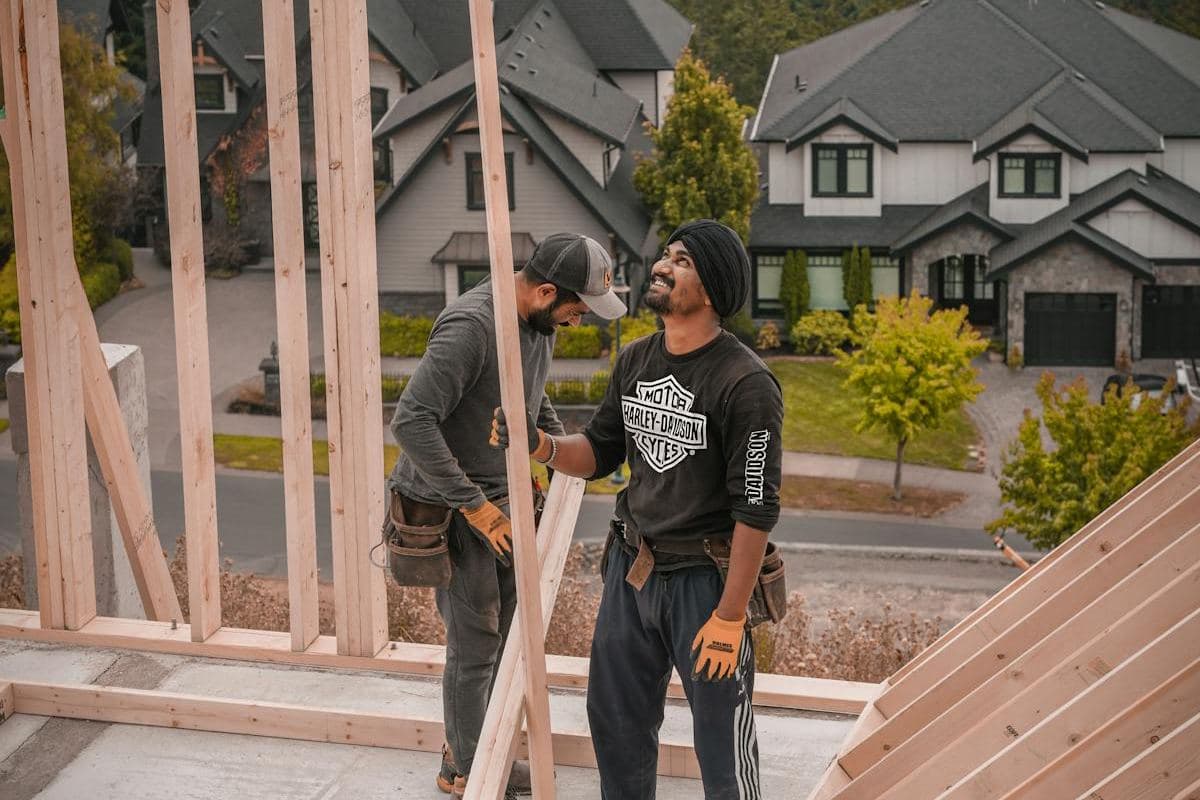
Want to stay put while you add on?
Describe your 2168 house and the rooms you're after. I'll stage the build so you can live there through as much of it as possible, all on one fixed contract.
0476 300 300Matching 1970s cream brick
Green Valley's houses are mostly 1970s cream and light-coloured brick. Getting new brickwork to sit well against them is tricky, because exact colours haven't been made for decades.
There are three honest options. Source a close match from current or recycled stock and accept it'll look new for a few years. Render or clad the addition in a complementary finish, so it reads as a deliberate new part. Or render the whole house, old and new, for a fresh, unified look.
Ground, approvals and budget
Green Valley sits largely on Class H reactive clay, so the addition's slab gets its own engineering and needs to be jointed properly to the existing house.
Plenty of single-storey rear additions tick every code box, which means a certifier signs them off. The rest go to Liverpool Council as a DA, typically 10 to 14 weeks.
The handbook number: brick veneer additions of 75 to 125 square metres come in between $1,835 and $1,980 for each square metre, Sydney rates per Rawlinsons, not counting kitchens and bathrooms. We adjust for the area and your site and quote a fixed price.
Planning to stay home during your addition
Get these settled before the first trade turns up.
- 01
Which stages, if any, need the house empty
- 02
Where the temporary kitchen goes if the old one is affected
- 03
Which bathroom stays working throughout
- 04
Safe paths for kids and pets away from the work zone
- 05
Security for the site when the back of the house is open
- 06
Asbestos testing before any internal walls are touched
Additions in Green Valley
Can I live in my house during a home addition?
For most single-storey rear additions, yes, for the majority of the build. The disruption peaks when we connect old and new, and we stage that carefully.
Will a second storey force us out?
Usually for part of it. When the roof comes off, the house isn't habitable. We'll tell you the likely timeframe upfront.
What should I look for in an additions builder?
Check the licence and insurance, compare itemised fixed-price quotes on the same drawings, and ask how they'll stage the work if you plan to stay home.
Will the new brick match my old house?
An exact match for 1970s cream brick is rare. We'll source the closest available, or suggest a complementary render or cladding that looks intentional.
Sources and references
Costs are from the Rawlinsons handbook with the local cost index applied; rules and timeframes are checked against the sources below.
More room, without moving out.
A Green Valley addition staged around your family, with the new part built first and the disruption kept short.