
Design / Sydney / Reviewed November 2026
Design and build vs an architect: which suits your home?
Two good ways to get a custom home designed and built in Sydney. Design and build puts one firm in charge and prices the design as it grows. An architect-led project puts an independent designer in charge and tests the price at tender. Here is how to choose, written by a builder who respects both.
Talk through my project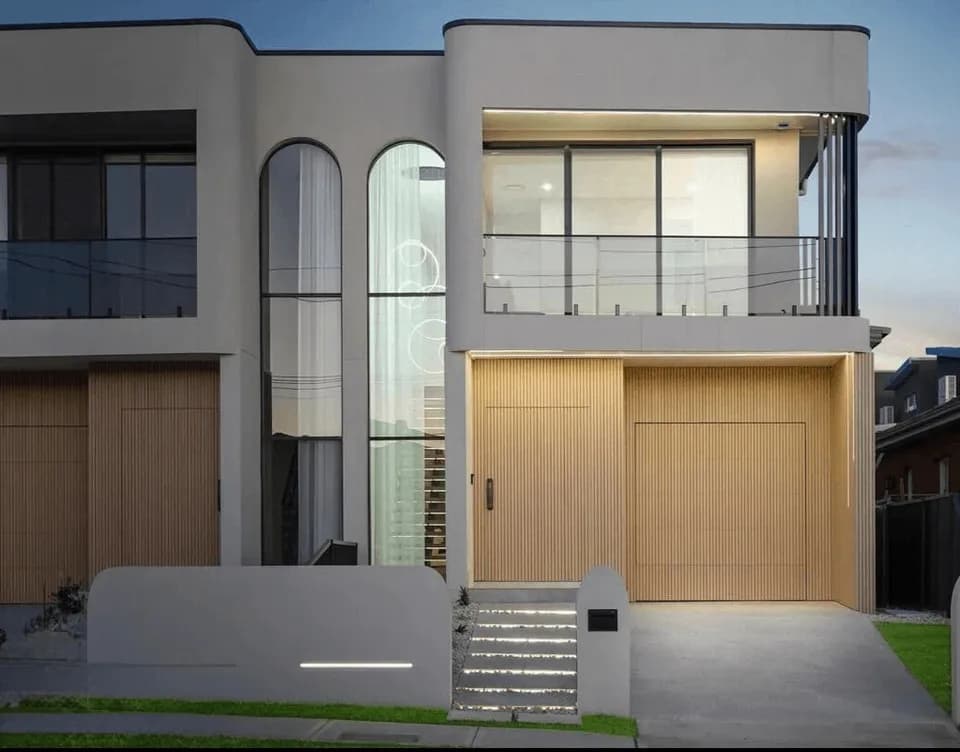
Most people who come to us with a block and a brief ask the same question: do I need an architect, or can a builder design it? The honest answer is that it depends on the site, the budget and how you want risk shared. Design and build suits most custom homes and knockdown rebuilds on ordinary Sydney lots. An architect is the better lead for heritage streets, difficult sites and signature design. And there are hybrid routes that take the best of both.
A note on words. In NSW the title "architect" is protected under the Architects Act 2003: only people on the NSW Architects Register can use it. Building designers and design and build firms also prepare plans for approval, and many employ or engage registered architects. Whoever designs your home, check their registration or licence.
Architect vs builder
The two routes, side by side.
The stages look similar on paper. The difference is when you find out what the home will cost, and who is responsible for the gap between the drawings and the build. Follow the price markers down each lane.
Architect-led (traditional)
- Brief and site analysisYou engage the architect, who studies the site, controls and your brief.
- Concept designOptions explored. Cost is usually an estimate or a target, not a price.
- Developed design and approvalPlans refined and lodged as a DA or CDC with consultants' reports.
- Construction documentationDetailed drawings and a specification for builders to price.
- TenderBuilders price the finished documents.First firm market price
- Contract and buildOften with the architect administering the contract on your behalf.
Design and build
- Brief, site and budgetOne firm takes the brief and the budget together, and checks the site.
- Concept with costingDesign options are priced as they are drawn.Early indicative price
- Design development and approvalPlans refined against the budget, then lodged as a DA or CDC.
- Construction drawings and selectionsDrawn by the builder's own design team, with buildability in mind.
- Fixed-price contractPrice confirmed on the final drawings and selections.Fixed price locked
- Build and handoverThe same firm is responsible from design to keys.
In the traditional route you engage the architect, the architect designs and documents, and builders compete on the finished drawings. The market speaks once, late. In the design and build route, the firm that will build the home designs it, prices each step and signs a fixed-price contract on the final drawings. You can read how we run it on our design and build page, and the contract side on design and construct.

Design and cost risk
Who carries the risk.
Every project carries design risk (will it work, and is it fully drawn?) and cost risk (will it come in at the number?). The routes differ mainly in who holds each one.
| Risk | Architect-led | Design and build |
|---|---|---|
| Design quality and originality | Led by an independent registered architect. Strongest on complex or signature design. | Led by the builder's design team. Strong on efficient, buildable planning. |
| Cost during design | You carry it. Estimates guide the design, but the market price arrives at tender. | Shared. The design is priced as it develops, so cost feedback is continuous. |
| Gaps between drawings and build | You carry them. Errors or omissions in documents become variations you pay for, then pursue the designer if needed. | The builder carries more of them. They drew it, so gaps are largely theirs to resolve. |
| Buildability | Depends on the architect's experience and the documentation's depth. | Built in from the start. The people pricing it are the people building it. |
| Independent oversight | Strong, if the architect administers the contract for you. | Weaker by design. Consider an independent inspector at key stages. |
| One point of responsibility | Split between the architect, consultants and the builder. | One contract, one firm, for design and construction. |
The contract form matters as much as the route. Our guide to construction contract types in NSW covers fixed price, cost plus and the risk each leaves with you.
Where budgets blow out
Designing past the budget, then tendering.
The most expensive pattern we see is simple. A home is designed with care, approved and fully documented. Then it goes to tender, and every price comes back over the budget. By then most of the design fees are spent and the approval is for a house the client can't afford.
Designing past the budget
The brief grows: a bigger void, an extra bathroom, more glass, better finishes. Each decision feels small. Without a price beside each one, the design drifts away from the money.
Tendering finished drawings
Builders price the full set. If the numbers come back over, the choice is to find more money, cut scope or redesign. Redesign costs fees and time, and may need the approval modified.
Provisional sums and exclusions
Tenders that look cheap often carry allowances for items not yet designed, such as excavation, joinery or landscaping. The real cost lands later as variations.
Site costs found late
Rock, fill, slope, stormwater, trees and services upgrades. If no one tests the site before design, they arrive as surprises after the price is agreed.
What specification creep does to one 300m² brief
The same floor area, priced at two Rawlinsons finish levels. Nothing about the plan changed; only the choices inside it.
Rawlinsons Australian Construction Handbook Ed. 29, Sydney, items 13.1.2.2 and 13.1.2.5, escalated to the ABS September 2026 index, excluding GST and rounded. Construction only: excludes land, demolition, site works, approvals and fees.
Neither route is immune. Design and build clients can also choose their way past the budget, but the price is in front of them when they do. For a full list of what sits around the build price, read our complete guide to Sydney building costs.
Fees
Fees in plain terms.
Fees vary too much between firms and projects for a single number to be useful, so here is how each side usually charges and what to compare.
Architects
- A percentage of the construction cost, a fixed fee per stage, or hourly rates, or a mix.
- Full service covers design, approval, documentation, tender and contract administration. Partial service stops earlier, often at approval.
- Fees are paid as each stage completes, so most are spent before the market price arrives.
- Redesign after an over-budget tender is usually extra.
Design and build
- A preliminary design agreement for concept, costing and approval, often credited against the building contract if you proceed.
- Documentation and the builder's overheads and margin are inside the contract price.
- Less separation between design fee and building price, so compare total project cost, not just the design fee.
- Ask what you own if you walk away after the design stage.
Both routes
- Consultants: surveyor, structural and civil engineers, geotechnical report, BASIX, and others as the site needs.
- Approval fees, certifier fees, developer contributions and long service levy.
- Ask every party for a written list of what their fee includes and excludes.
A fair hearing
When an architect is the right call.
Good architects add real value. On some projects an architect isn't a luxury; it is the best way to get a good result.
Heritage and conservation areas
Councils look closely at form, materials and the streetscape. An architect experienced with heritage controls can make the difference between an approval and a refusal.
Complex sites
Steep slopes, narrow lots, flood or bushfire overlays and difficult neighbours reward deep design thinking before anyone prices anything.
Signature design
If the house itself is the project, with a strong architectural idea, unusual structure or materials, an architect is the natural lead.
An independent advocate
Some clients want a professional on their side of the table during the build, certifying claims and inspecting quality. Full-service architects offer that.
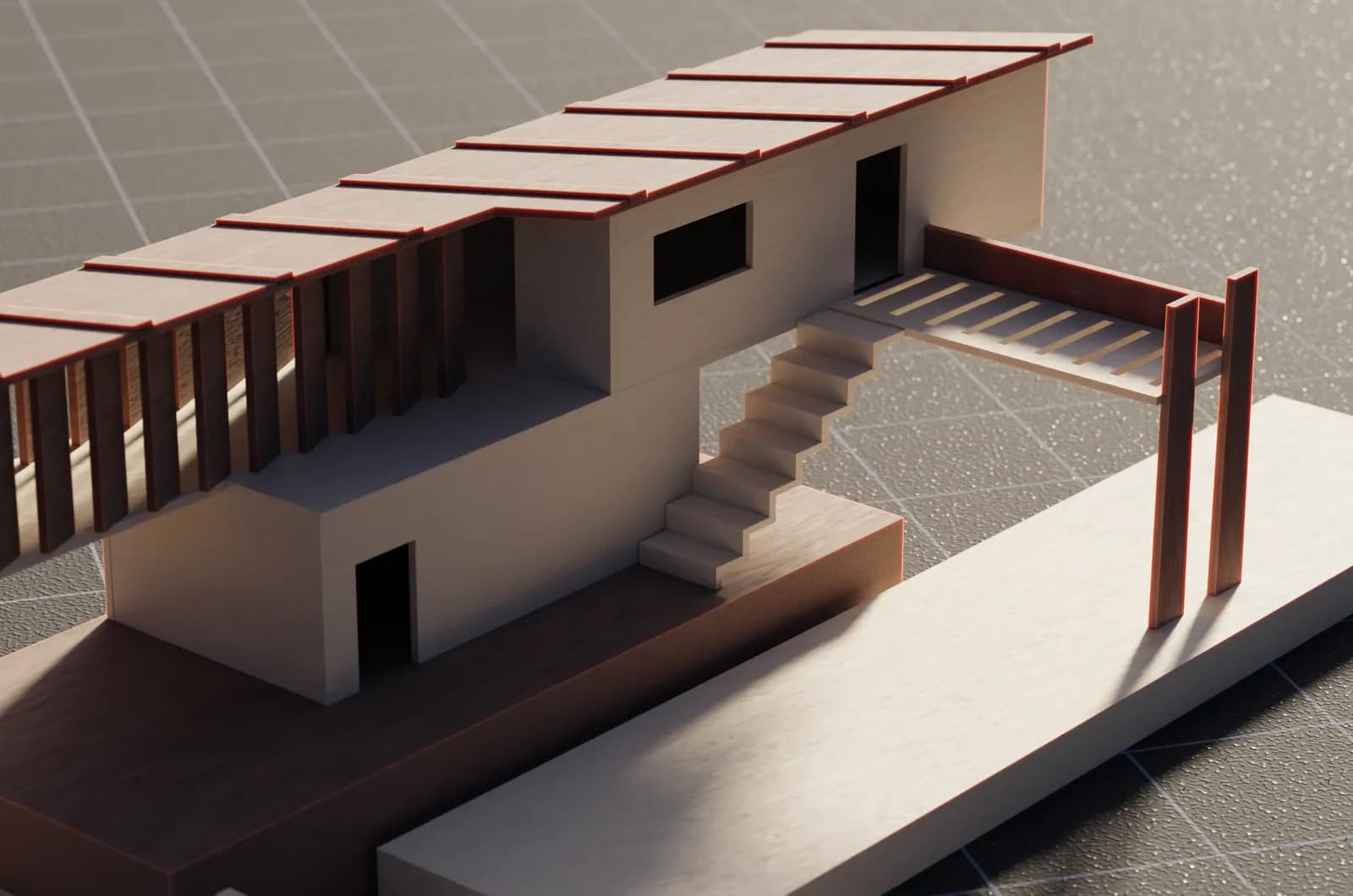
If you go this way, ask the architect to test the cost with a quantity surveyor or a builder before lodging for approval, not after documentation. It is the single best protection against the tender shock described above. On a split-level or sloping block, see how design responds to the land in our split-level design guide.
Design and build
When design and build wins.
For most custom homes and knockdown rebuilds on ordinary suburban lots, a design and build route gives a well-planned home with fewer surprises. The design is good because it is drawn for the site and the family; the price holds because it was tested as the design developed.
Cost certainty
The price is tested as the design develops, so you find out early if the brief and budget disagree, while there is still time to fix it cheaply.
Buildability
Details are drawn by people who build them. Fewer clashes, fewer requests for information on site, and fewer variations from documentation gaps.
Speed
There is no separate tender stage, and pricing runs alongside design, so the path from brief to start on site is usually shorter.
One point of contact
One firm is accountable for design, approval, construction and handover. If something goes wrong, there is no argument about whose fault it was.
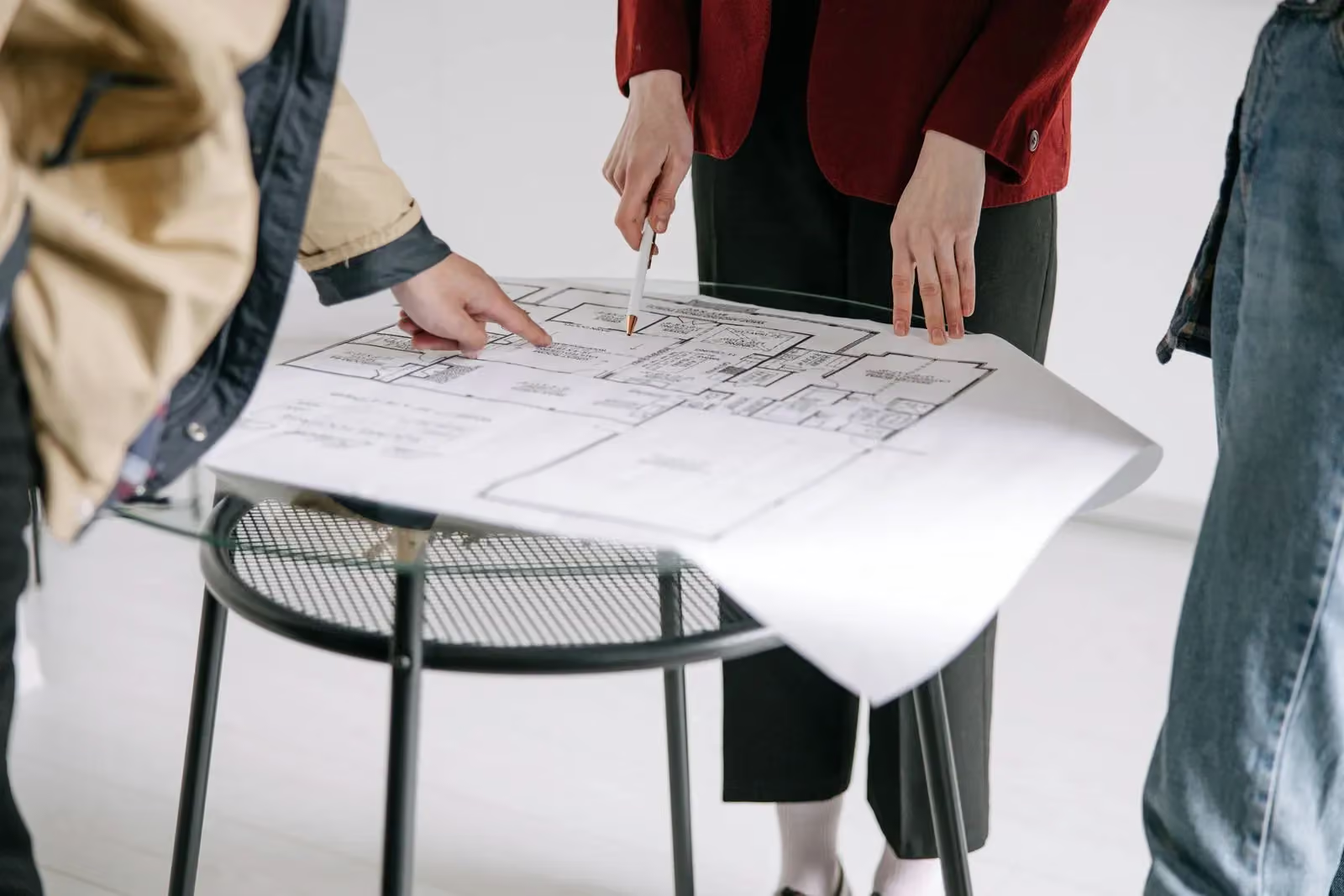
Design and build is not the same as choosing a project home. A volume builder adapts a catalogue plan; a custom design and build firm draws your home from a blank page. Our comparison of volume builders and custom builders explains the difference, and our custom homes page shows how we work.
Hybrid routes
The best of both.
Architect concept, design and build documentation
An architect develops the concept, and sometimes the approval drawings. A design and build firm then prices, documents and builds it under a fixed-price contract. You get the architect's idea with the builder's buildability and price certainty.
Novation
You engage the architect for design. When the builder is appointed, the architect's appointment is novated (transferred) to the builder for documentation and construction. The builder then carries the design responsibility. Ask who the architect answers to after novation, and how design intent is protected.
Early builder involvement
A builder is paid to advise on cost and buildability during the architect's design, before tender. It costs a little up front and can save a redesign later.
Whichever hybrid you choose, settle the licence to use the drawings in writing at the start. Designs are protected by copyright, and the right to build from them depends on the agreement, not on having paid for a set of plans.
Knockdown rebuild
Architect for a knockdown rebuild in Sydney?
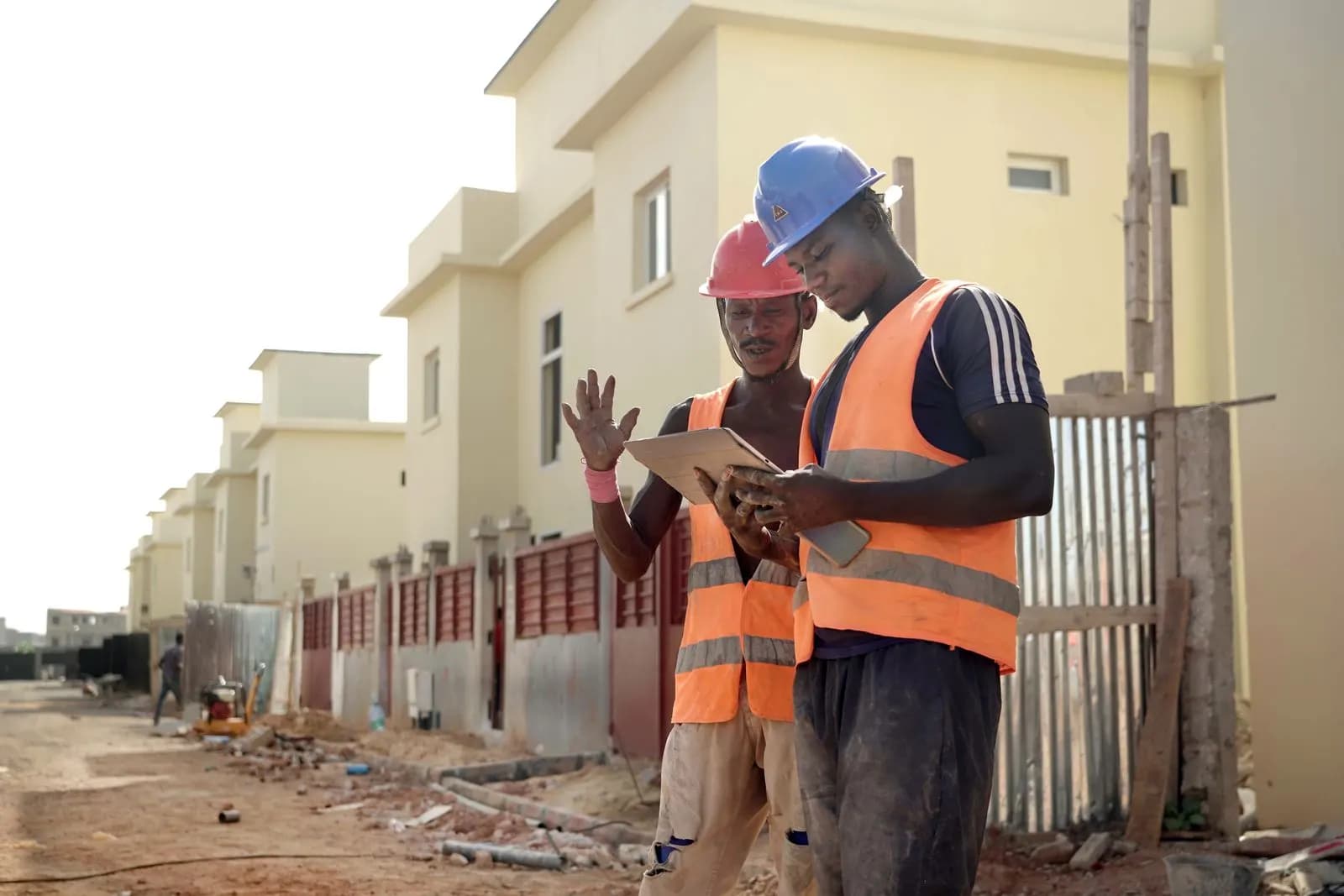
A knockdown rebuild adds a layer the design has to account for: demolition, asbestos removal, disconnection of services, tree and stormwater issues, and the time your family lives elsewhere. For the new home, we allow single storey $565k–$980k + GST, double storey $735k–$1.27M + GST, before demolition and site costs. The ABS average build for a new NSW house was 2.99 quarters in 2025-26.
- Approval path. Many knockdown rebuilds qualify as complying development, where a CDC generally has a 20-day determination period where statutory neighbour notification applies, or 10 days otherwise; eligible Pattern Book applications have a 10-day period even where notification applies. Heritage areas, some overlays and anything outside the codes need a DA, and most local DAs have a 40-day assessment period before deemed refusal may be appealed, not a decision deadline, before time to prepare or answer requests.
- Holding costs. Rent while you are out of the house makes delays expensive. A route that prices early and avoids redesign protects that budget.
- Site knowledge. The existing house hides the site. A builder can scope demolition and site works alongside the design, so the price covers both.
- When an architect is worth it. A heritage conservation area, a steep or flood-affected lot, or a signature design brief.
For the full cost picture, read our knockdown rebuild cost guide or see how we run knockdown rebuilds. Payments during the build follow NSW rules, explained in progress payment claims under the Home Building Act. For residential work over $20,000 your builder must provide home building compensation cover, capped at $340,000 per certificate (icare HBCF).
Before you sign
Questions to ask either party.
Ask an architect
- What is your registration number on the NSW Architects Register?
- Which recent homes have you designed at a budget like mine, and what did they cost to build?
- How will the cost be tested before we lodge for approval: a quantity surveyor, a builder, or your own estimate?
- How is your fee structured, which stages does it cover, and what happens to it if the design is redesigned after tender?
- Will you administer the building contract, and what does that service include?
- What licence do I get to use the drawings if I change builders or designers?
Ask a design and build firm
- What is your NSW contractor licence number, and will you provide the home building compensation certificate before the deposit?
- Who does the design: an in-house team, a registered architect or an external designer?
- At what stage do I get a fixed price, and what is excluded from it?
- How many provisional sums and prime cost items are in the contract, and how were they set?
- Which homes like mine have you designed and built, and can I speak with the owners?
- What does the design stage cost, and is it credited if we go ahead to build?
Check a builder's licence on the NSW Government licence check, and an architect on the NSW Architects Register. If you are weighing doing it yourself instead, read owner builder vs licensed builder.
Decision guide
Which route suits you?
Six questions. Pick the answer closest to your situation in each one. There is no wrong result: each points to a route that has worked for people in your position.
- Mostly A
- Your site or ambitions call for independent design leadership. Engage a registered architect, ask them to test cost with a builder or quantity surveyor before approval, and consider a hybrid route for documentation.
- A mix
- An architect's concept with design and build documentation, or early builder involvement during design, gives you design quality with price feedback before you commit.
- Mostly B
- Cost certainty, buildability and one point of responsibility matter most. A design and build team prices the design as it develops and holds the number in a fixed-price contract.
Design and build questions.
What is design and build?
Design and build is a way of procuring a home where one firm handles the design, approval and construction under one relationship, usually ending in a fixed-price building contract. You deal with one team from brief to handover.
Do I need an architect to build a house in NSW?
No. NSW does not require a registered architect to design a house. Building designers and design and build firms prepare plans for approval too. An architect is a choice, often the right one on heritage, complex or signature projects.
Is an architect or a builder better for a custom home?
Neither is better in every case. An architect leads on independent design and contract oversight; a design and build team leads on cost certainty, buildability and speed. Many projects use a hybrid of both.
Is design and build cheaper than using an architect?
Not automatically. The main saving is avoiding redesign when tenders come back over budget, because the design is priced as it develops. Construction rates themselves are set by the market either way.
What is novation in building?
Novation is when an architect engaged by you to design the project is transferred to the builder's team for the documentation and construction stage. The builder then carries responsibility for the design going forward.
Should I use an architect for a knockdown rebuild in Sydney?
Consider one if the lot is in a heritage conservation area, steep or otherwise complex, or if you want a signature design. On a typical suburban lot, a design and build team can manage demolition, approval and the new home under one contract.
How much does it cost to build a custom home in Sydney?
Rawlinsons prices a Sydney brick veneer house at $2,820–$3,040/m² at a medium finish and $3,940–$4,250/m² at a high finish, escalated to the ABS September 2026 index, excluding GST, before site costs.
Who is responsible for design errors in design and build?
Generally the design and build contractor, because it controls the design. Check the contract wording: some contracts limit the builder's responsibility for design prepared by your own consultants before the contract.
Designing a home?
Bring the brief.
We'll price the path.
Whether you have a block, an architect's concept or just an idea, Oliver will respond within 4 working hours for a free initial conversation about the right route, the budget and what the site needs.
0476 300 300Keep reading
Planning a custom home.
Volume vs custom builder
What changes when the design is yours, not a catalogue's.Construction contract types
Fixed price, cost plus and what each means for risk.Knockdown rebuild costs
Demolition, site costs and the new home, line by line.Dual occupancy homes
Attached designs and costs for two homes on one lot.Sources
- NSW Architects Registration Board, Using an architect, accessed 19 November 2026.
- ABS, Producer price indexes (house construction, NSW), accessed 19 November 2026.
- ABS, Building activity, average completion times, accessed 19 November 2026.
- NSW Planning, Complying development, accessed 19 November 2026.
- icare NSW, Home Building Compensation Fund, accessed 19 November 2026.
- NSW Fair Trading, licence check, accessed 19 November 2026.
Build costs: Rawlinsons Australian Construction Handbook Ed. 29, Sydney, escalated to the ABS NSW house construction price index (September 2026). Approval periods: Environmental Planning and Assessment Regulation, via NSW Planning. Fees are described in general terms only; ask each firm for a written fee proposal. General information, not legal advice. Written by Oliver Alameri, Buildana Pty Ltd, NSW contractor licence 487805C. Published and reviewed November 2026.